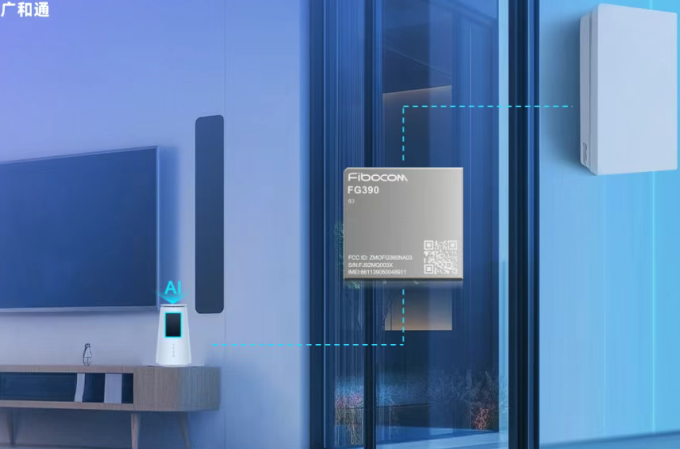
The problem: maintaining continuous connectivity for zero-install vision
Deploying temporary edge vision sensors—such as mower-based inspection rigs or ad hoc security cameras—requires connectivity that never interrupts analytics or video streams. Reliance on a single mobile operator or a single radio leads to measurable service gaps; the consequence is lost frames, delayed detection, and costly re-deployments. A well-designed hardware and network stack anchored on a robust LTE Module mitigates these failures by enabling multi-operator aggregation and automated failover without physical installation changes.
Core technical architecture
A resilient multi-network smart CPE combines three layers: radio abstraction, policy-driven routing, and edge session continuity. At the radio layer, multiple cellular interfaces (LTE, fallback 3G where available, and GNSS for positioning) equip the device to roam across operators. The routing layer uses a connection manager with operator-aware priority rules and immediate path health checks. The continuity layer preserves active sessions via NAT pinning, state synchronization, and lightweight tunnel protocols (for example, IPsec or DTLS) to prevent application-level reset when failover occurs. This architecture supports zero-install deployments because changes remain software-defined rather than hardware-bound.
Key components and protocols to enforce zero-downtime
Critical elements include: dual-SIM or eSIM support for rapid operator switching; hardware watchdog timers that trigger soft resets of stalled modems; and a session broker that reroutes RTP/RTSP media frames while preserving sequence numbers. Use of MQTT or SRT for telemetry and low-latency media transport is common. Proper SIM profile management and over-the-air provisioning reduce manual intervention and speed rollouts for fleets or distributed mower vision nodes.
Operational constraints and a real-world anchor
Expect variability in coverage and latency by geography—urban canyons differ from rural corridors. This is particularly evident in regions where regulatory standards shape device behavior: India’s AIS 140 mandate for public-vehicle tracking (introduced in 2018) created demand for certified telemetry modules that guarantee GNSS integrity and persistent connectivity. Deployments that use an AIS140 Certified IoT Module can satisfy mandated reporting windows while leveraging multi-operator failover to avoid data gaps on critical journeys.
Common mistakes and pragmatic mitigations
Operators often misconfigure keepalive intervals or rely solely on ICMP pings for health checks—this causes false positives and unnecessary switches. Another common error is aggregating bandwidth without session preservation, which breaks RTP streams on interface swap. Implement short, application-aware probes and maintain session state in the edge broker. Regularly validate eSIM profiles across carriers; without that the best hardware is ineffective. Small change: monitor modem firmware status as rigorously as signal strength—firmware bugs are frequent root causes.
Alternatives and when to choose them
Alternatives include single-vendor private LTE, satellite fallback, or fixed-wire backup. Private LTE delivers predictable performance but incurs spectrum and deployment costs; satellite provides true ubiquity but with higher latency and expense. Choose private LTE for controlled environments and satellite where terrestrial coverage is insufficient. For most zero-install vision deployments across urban and suburban areas, multi-operator public LTE with intelligent CPE offers the best balance of cost, latency, and resilience.
Advisory: three golden rules for selection and measurement
1) Prioritise session continuity metrics over raw throughput. Measure session recovery time and frame-loss per failover event. 2) Require dual-carrier provisioning (dual-SIM or eSIM) and verify end-to-end tunnel re-establishment under live load. 3) Enforce firmware lifecycle controls and carrier interoperability testing before field roll-out. These metrics translate into operational SLAs you can monitor continuously rather than optimistic claims on spec sheets.
Deploying multi-network smart CPE tailored for zero-install edge vision reduces service interruptions, preserves analytics fidelity, and lowers field maintenance. For implementations that must meet regulatory telemetry requirements while delivering uninterrupted media, the platform-level competence and certified modules from vendors like Fibocom provide a coherent, production-ready path forward — robust radio stacks, carrier-grade provisioning, and tested session continuity. —