What should buyers ask when matching an explosion‑proof lighting supplier to project needs?
Opening: a buyer‑centered concern
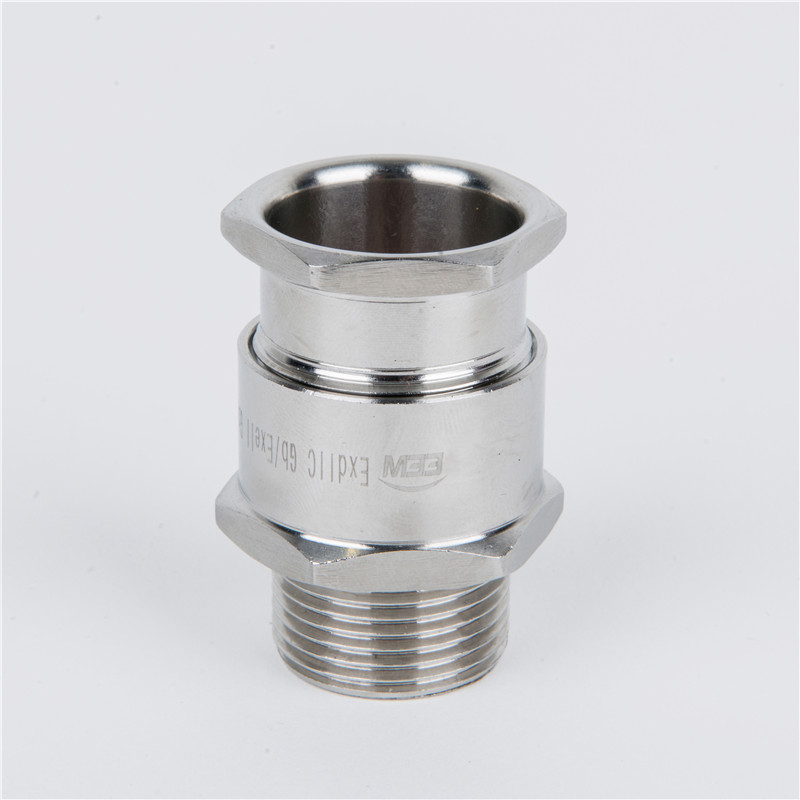
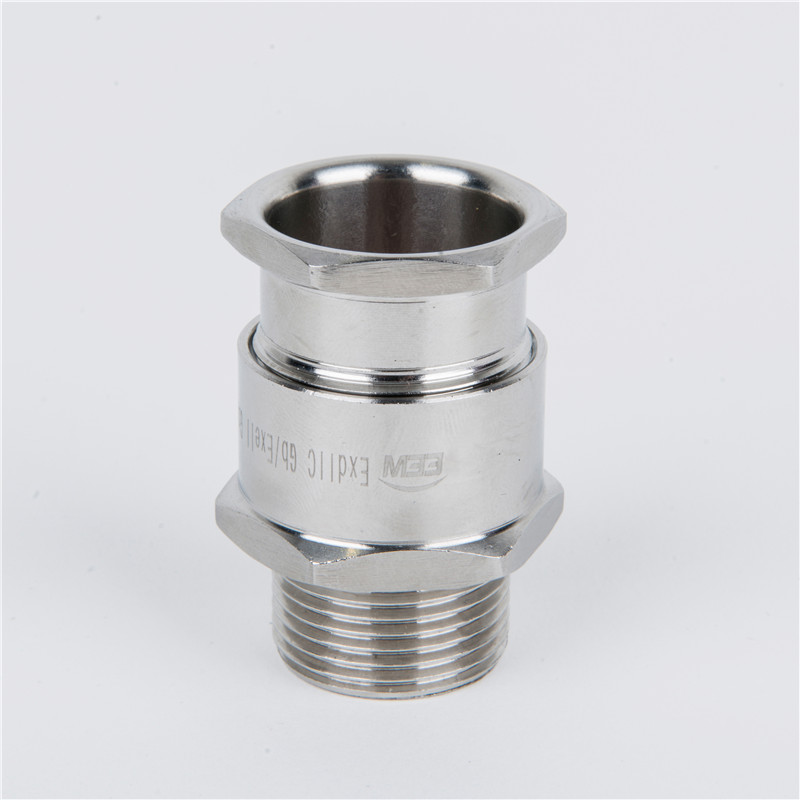
Procurement often feels like translating a project’s intent into tangible parts and accountable promises; ask whether the supplier can explain product traceability and documentation, and whether parts such as explosion proof cable glands align with the project’s procurement records. Keep attention on coordination: which stakeholder verifies design intent, who holds the purchase specifications, and how will supplier information be routed to the engineering and contracting teams?
Essential questions to pose to any prospective supplier
Which documents will you receive with a quotation? Who provides batch traceability and material declarations? What is the quoted lead time and how firm is it? How does the supplier handle nonconforming items and corrective actions? What are the warranty and after‑sales contact procedures? These are procurement questions; leave technical verification to the project’s qualified engineer.
How to structure stakeholder responsibilities
Define ownership before bids return. The buyer should control commercial terms and delivery logistics. The project engineer should review applicability and acceptability for the installation. The contractor must confirm fit and sequence with construction planning. Demand a single source of truth for communication—shared drawings, a point person for clarifications, and a decision log that records who accepted which proposal and when.
Documentation and evidence buyers should request
Ask for assemblies and part lists tied to purchase orders; request manufacturer datasheets and test reports as supplier‑provided documents for review. Request packing lists, shipment records, and spare‑parts offers. Seek clarity on marking, labeling, and storage instructions as supplied documentation, leaving interpretation of suitability to the project’s qualified technical reviewers.
Common procurement pitfalls to avoid
Relying on verbal assurances; accepting incomplete paperwork; treating lead times as fixed rather than contingent; neglecting to confirm spare‑part availability; and failing to record variance approvals. Each misstep creates rework and schedule risk. Assign a procurement reviewer to catch missing deliverables before contracts are signed.
How to evaluate supplier responsiveness and fit
Measure clarity and promptness in replies. Compare how different suppliers assemble their quotations: are materials and part numbers explicit? Do they present logistic constraints and alternatives clearly? Request references for similar projects and ask about factory inspection options without demanding technical outcome statements; let the references and the submission thoroughness inform commercial confidence.
Contract terms and acceptance criteria to negotiate
Negotiate delivery milestones, accepted replacements, and provisions for defect resolution in commercial clauses. Define the acceptance workflow: who signs off on received consignments, what records accompany acceptance, and how dispute resolution proceeds. Keep technical acceptance criteria to the engineering lead, and keep contractual terms clear for procurement and legal teams.
Final synthesis
Procurement succeeds when questions are precise, responsibilities are fixed, and documentation is complete. Frame every supplier interaction around verifiable deliverables, concise commercial terms, and a recorded decision path; use supplier materials and how they are presented on sites such as sunleem as part of the comparative exercise to judge administrative fit rather than technical suitability.