Introduction — why this matters now
Have you ever walked into a barn and felt the lights were working against the animals instead of for them? That’s the scenario I keep coming back to when I think about practical cow lighting decisions. Right now, producers report up to a 10–15% drop in milk yield tied to poor barn lighting and stress (simple surveys, real dollars on the table). What would fixing that look like — and where do we start?

I’ll talk about cow lighting in plain terms and share what I’ve seen work on real farms. I use clear data and everyday examples, and I’ll call out common traps we all fall into (yes, I’ve made some of these mistakes too). This piece leads from what’s failing today into the choices that actually change outcomes — let’s get into the specifics.
The hidden flaws in current cattle lighting approaches
cattle lighting systems often promise instant wins, but the reality is messier. I see the same pattern: quick fixes like higher lumen bulbs, cheap LED retrofit kits, or basic timers get installed and everyone expects a boost. Instead, we get glare, uneven lux, and animals that are less comfortable — and yields that don’t budge. Look, it’s simpler than you think when you peel back the layers: the hardware is only one part of the equation.
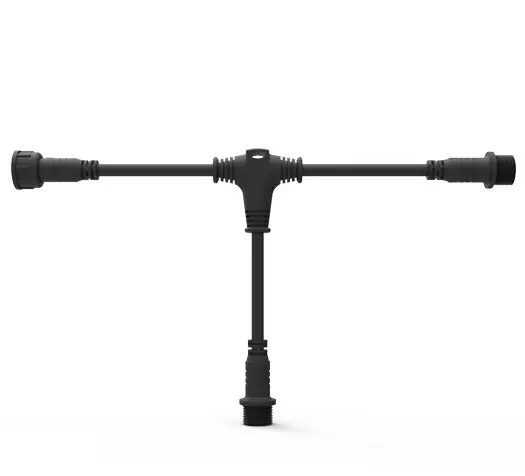
Why don’t simple fixes work?
First, many setups ignore spectral needs. Cattle react to light spectrum—blue-rich light affects circadian cues; red influences calm behavior. Second, control systems are often mismatched: cheap LED drivers or poorly matched power converters cause flicker or unstable dimming. Third, installation and layout matter. Lux sensors placed in the wrong spot give you false readings and edge computing nodes meant for local control are left unused. These are not exotic failures; they are basic design oversights. — funny how that works, right?
What’s next: principles for better lighting and practical steps
Now I want to look forward. I’m switching gears from diagnosis to principles. If you’re choosing a solution today, focus on three core ideas: spectral tuning for behavior, robust control (proper LED drivers and IoT gateways), and measured distribution of light (good layout and sensible lux targets). Those principles guide both small upgrades and full redesigns of barn systems.
How to act on those principles?
Start with a short audit: measure current luminance across stalls and alleys, note spectral balance, and test existing dimming controls. Then map hardware to needs — not the other way around. For example, pair smart LED drivers with a simple local controller to keep response times low and avoid network hiccups from distant cloud servers. Also consider adding lux sensors at animal level, not just at the ceiling. These steps cost a bit up front but save time and reduce stress-related losses later.
I’ll leave you with practical evaluation metrics I use when vetting solutions: 1) spectral accuracy — does the system support tunable white or selectable spectra? 2) control reliability — are the LED drivers and edge controllers proven, and can they operate locally? 3) measured outcome — can you track lux and animal response over 30–90 days? Use those to compare vendors and walk the barn with a clipboard. In my experience, systems chosen this way outperform flashy specs by a wide margin — and they hold up season after season. — and yes, the difference shows on the milk tank.
For help sourcing tested equipment or to see practical installs, check reputable offerings and case notes from experts you trust. I rely on real-world results and clear metrics when I advise producers, and I’d recommend the same approach to you. For further reference and supplier info, see szAMB.