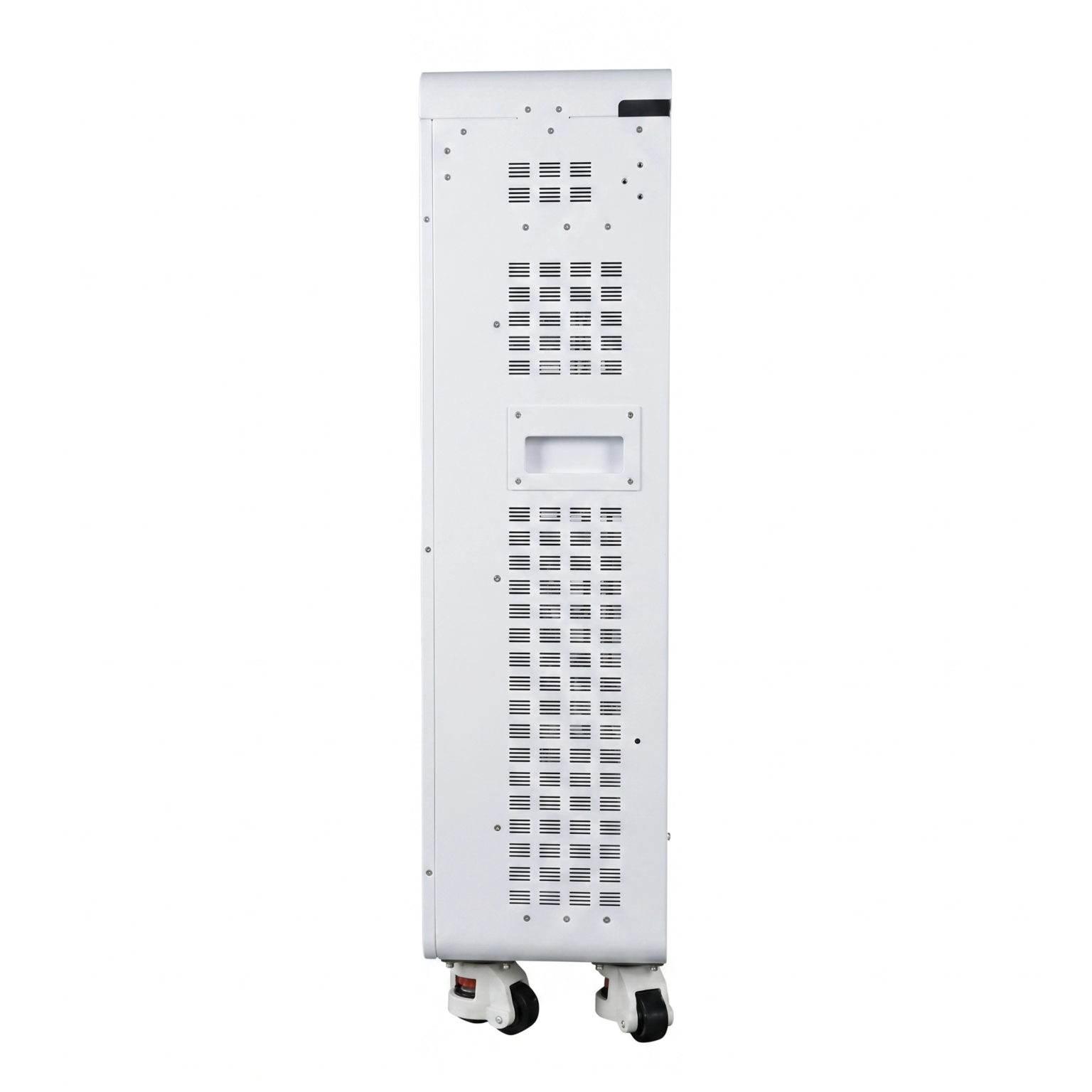
User-first snapshot: why this matters
Folks fed up with random outages, road trips that kill your fridge, or shifting to a weekend off-grid setup need gear that just works — no drama. That’s where a Portable Solar Power Station comes in: compact, plug-and-play, and able to handle essentials without babysitting the kit. This piece is for people who want clear, usable advice: what to look for, what to avoid, and how a lifepo4 system actually changes the game.
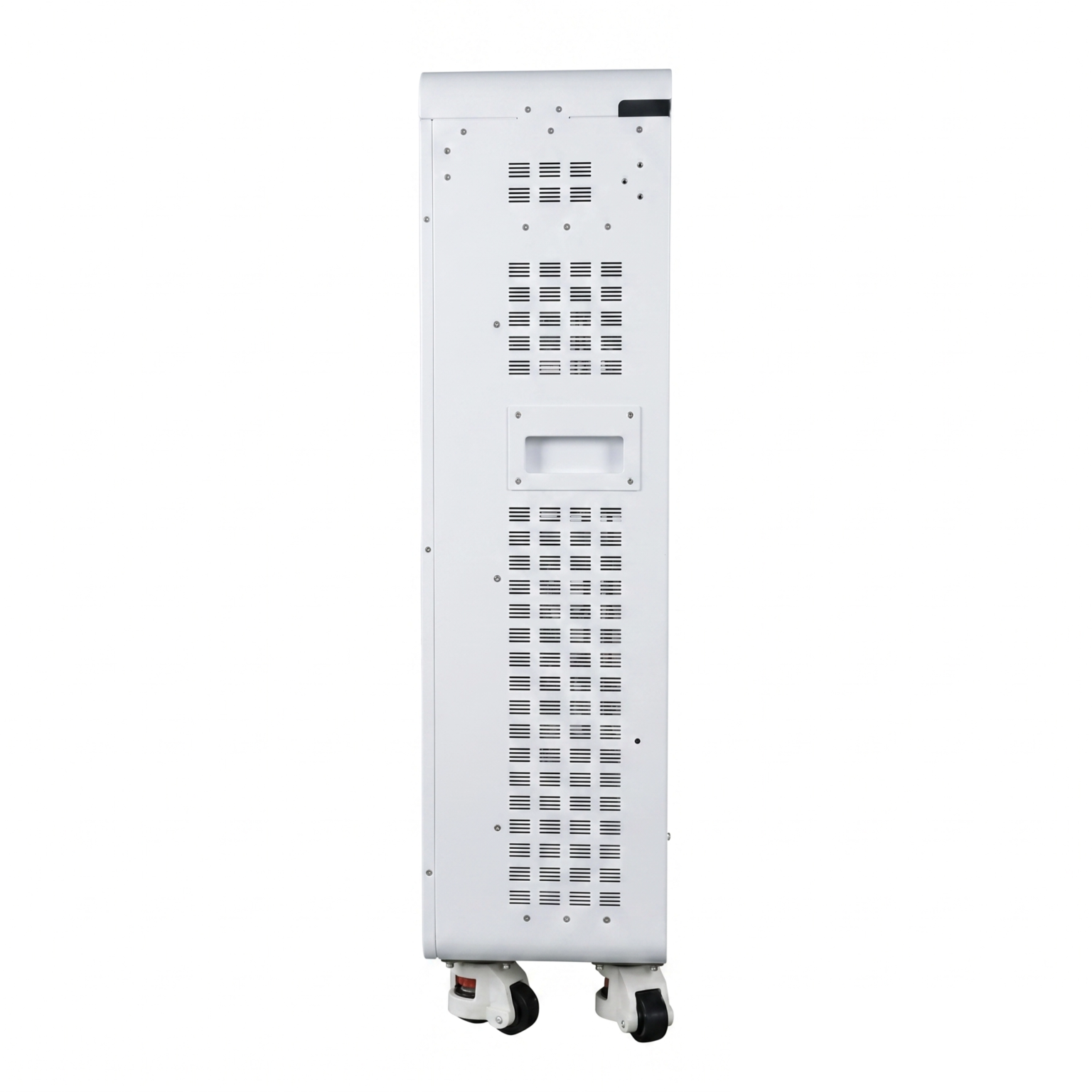
What a lifepo4 portable solar power station actually is
Short version: it bundles LiFePO4 batteries, an inverter, a charge controller (often MPPT), and smart outputs into one box. LiFePO4 chemistry gives higher cycle life and safer thermal behavior than older chemistries, and a solid battery management system (BMS) keeps cells balanced. For people powering CPAPs, mini-fridges, or tools, that means fewer surprises and longer life — proper hardware, no fluff.

Real-world anchor: why people swear by these systems
Look at Puerto Rico after Hurricane Maria in 2017 — long blackouts forced residents and relief teams to depend on local, reliable sources. That event pushed a lot of communities and responders to adopt portable systems with LiFePO4 tech because they outlasted cheaper lead-acid setups. The takeaway: predictable runtime and safer chemistry matter when power is survival, not just convenience.
Common user mistakes and how to dodge them
People often buy by watt-hours alone or get dazzled by max output numbers. Mistake. You should match usable capacity and continuous inverter rating to your real loads. Don’t forget derating for temperature and real-world inefficiencies — a nominal 1,000Wh might give far less usable energy under heavy loads. Also, cheap MPPTs or absent BMS features can turn a solid pack into a risky gamble. — Test port types, check continuous watts, verify charge/discharge specs before you drop cash.
Comparison: quick trade-offs vs other options
LiFePO4 vs lead-acid: LiFePO4 wins on cycles, weight, and safety. But initial cost is higher. vs small gas generators: battery systems are quiet, instant, and need no fuel, though they take longer to “refill” unless you’ve solar panels and an efficient MPPT charge controller. If you need long-run heavy loads (like a house AC), a hybrid microgrid or larger inverter bank might be the move — but for mobility and daily backup, LiFePO4 portable stations hit the sweet spot.
Practical checklist before you buy
Think like a user: what do you actually power? Then run this checklist:- Load audit: list continuous watts and startup surge for each device.- Usable capacity: go by usable Wh, not just nominal capacity.- Inverter rating: continuous and peak surge must cover your biggest appliance.- Charging path: does the unit support MPPT solar, AC, and car charging?- Safety & lifespan: confirm LiFePO4 cells and a BMS with cell balancing.These focus points cut the noise and get you gear that lasts.
Alternatives and real trade-offs
If budget’s tight, lead-acid remains cheaper up-front but expect replacements sooner. For heavy, long-term off-grid loads, consider modular systems where you can expand battery banks and pair with a separate inverter/charge controller. For most users chasing portability and reliability, integrated lifepo4 portable solar power station boxes keep setup simple and maintenance low.
Advisory: three golden rules for picking the right system
1) Match continuous inverter watts to your largest sustained load, not just starting surge. 2) Prioritize usable Wh and cycle life (LiFePO4 with a rated BMS) over flashy peak specs. 3) Choose MPPT-equipped charging and check multi-path input (solar + AC) to reduce downtime. These three metrics predict real-world satisfaction far better than brand hype.
Bottom line — get a system that actually fits how you live and not the brochure. gsopower keeps the specs honest and the gear usable, and that’s what wins when the lights go out or the road gets rough.