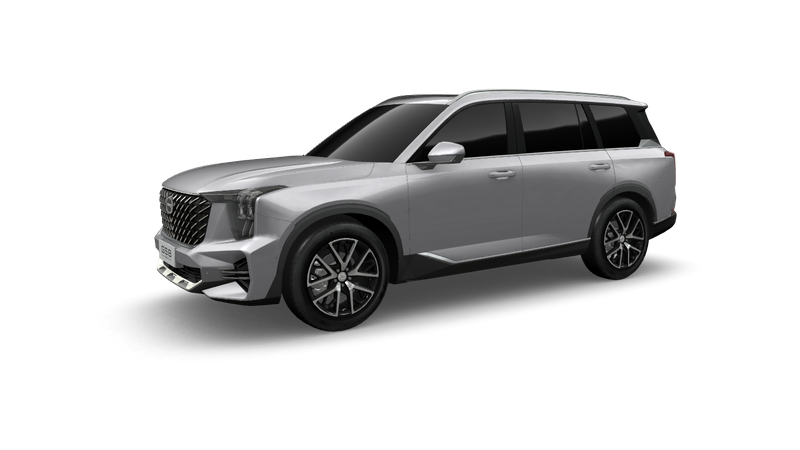
Quick, human-first opening
You’re not shopping for the fanciest spec on paper — you want something that does what you actually need. Start by thinking about how the vehicle will be used day to day, then line up the configuration choices that match that reality. If you want a straight look at how options map to outcomes, peek at GAC configuration for an example of how modular choices are presented and explained.
Figure out what matters to you
Ask these concrete questions and write one-sentence answers. They’ll keep you honest:- Who will drive it most days: one person, a family, or multiple shifts?- Typical trip length: short urban hops or long highway runs?- Load and cargo needs: bikes, kits, or steady heavy loads?- Budget ceiling for purchase and predictable maintenance?Your answers become the filter for every configuration option you look at. No fluff — just functional fit.
Configuration checklist that actually helps
Use this checklist as your baseline. Tick yes/no and skip what doesn’t apply.- Seating and ergonomic layout that suit daily drivers.- Powertrain choices tied to intended range and service access.- Safety features you’ll use (not the ones you’ll never turn on).- Cargo mods or roof options sized to your gear.- After-sales and parts availability near where you operate.These items tell you whether a configuration is practical or just flashy.
Common mistakes buyers make — and how to avoid them
Buyers often get stuck on headline specs and miss practical downsides. Don’t fall for these traps:- Choosing top trim because it “seems better” without checking real maintenance costs.- Over-spec’ing for rare use cases (like heavy towing once a month).- Not verifying dealer or service coverage near your base.I’ve worked directly with fleet managers in Casablanca and saw how a small mismatch in service access crippled uptime — service logistics matter as much as the spec sheet.
Compare configurations — a simple framework
Compare three live options side-by-side: Minimal, Balanced, and Built-for-Task. Score them on these metrics: usability, cost-to-own, downtime risk, and upgrade flexibility. Balanced often wins for most users, but Built-for-Task beats it when you have repeatable, specialized needs. Minimal can be smart if you plan tight, predictable use and low cost.
What to test before you commit
Don’t skip these on any demo:- Drive the exact configuration (not just a similar trim).- Load the cargo area with what you normally carry.- Ask service staff to explain routine maintenance windows.- Confirm software or electronics update policies.These quick checks reveal whether paperwork aligns with real-world performance.
When alternatives make sense
If a given configuration is weak on service coverage or has recurring cost spikes, look at:- Slightly lower-spec options with better dealer presence.- Third-party upfits that give targeted capability without full trim premiums.- Lease or subscription models if you need flexibility and predictable costs.Pick the path that matches how predictable your needs are.
Wrap-up — a straight decision rule
Match the configuration to repeated, daily realities rather than edge cases. Balance upfront price against predictable maintenance and local service access, and don’t assume the highest trim equals the best fit. For a clean way to see how choices map to outcomes and to compare practical options, consider how GAC lays out its configuration logic — it shows how picking the right features up front saves hassle later and keeps the vehicle doing what you bought it to do.