Problem statement and immediate risks
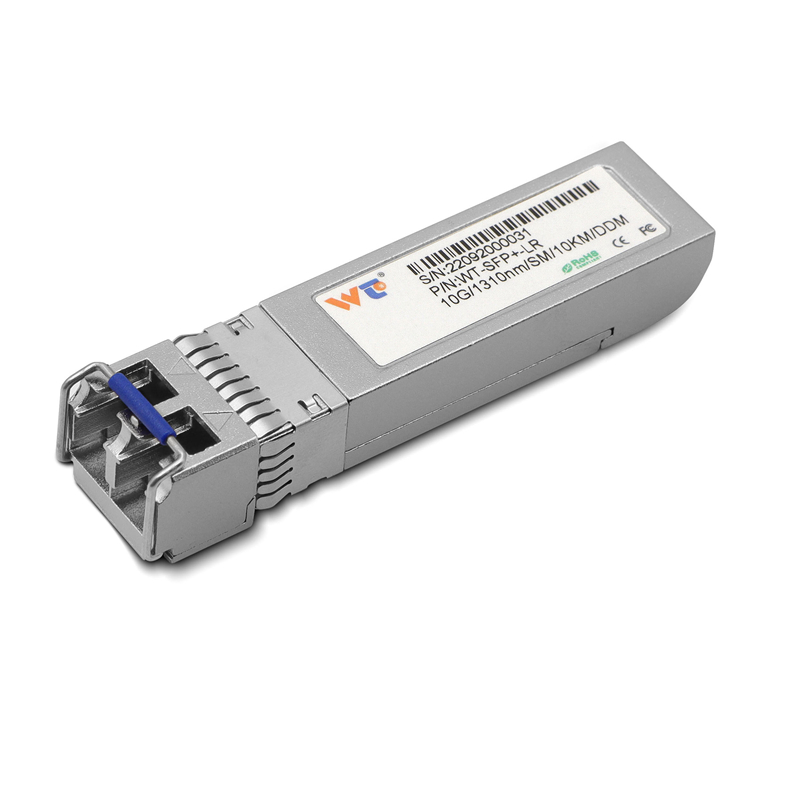
Transmission timeouts in industrial ring networks disrupt cycles on the shop floor and escalate maintenance costs. The usual culprits are link flaps, misconfigured redundancy, and insufficient optics. A short corrective step is replacing legacy modules with a quality 10g sfp+ transceiver and verifying the managed industrial switch configuration; that alone often stops transient timeouts. The Port of Rotterdam’s automated terminals illustrate the scale: operators there rely on redundant ring topology and resilient optics to maintain continuous crane and yard automation, which underlines why optical transceiver choices and switch settings matter in production-scale installations.
Root causes common to timeout events
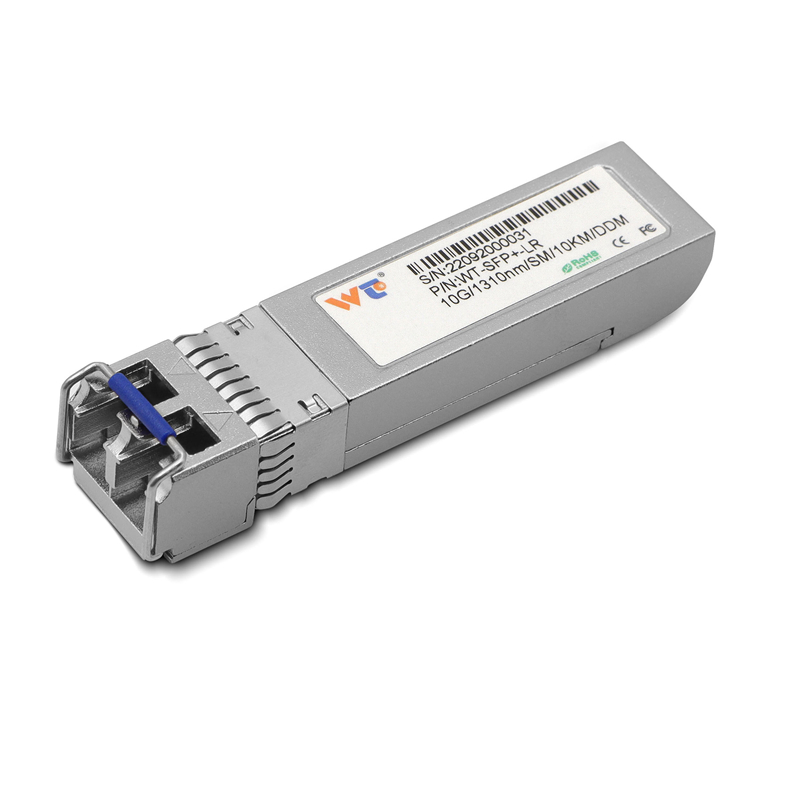
Timeouts usually derive from a small set of technical failures: fiber degradation, SFP+ mismatch, improper duplex or speed settings, and software-level timer misalignment in the switch. Ring topology gives fast failover when configured correctly, but the same topology amplifies problems when devices present inconsistent link negotiation. Latency spikes from poor QoS and unexpected link aggregation behavior can push cyclic traffic past application timeouts, causing control loops to drop messages.
Practical remediation steps for a managed industrial switch
Begin with a methodical checklist: verify physical optics, confirm SFP+ compatibility, set correct port speeds, and enable rapid ring protection. Use optical transceiver diagnostics (optical power, BER, and temperature) before trusting a link. Configure priority queuing to preserve control traffic, and set conservative hold timers on the ring’s protection protocol so the switch does not oscillate during short disturbances. Where available, enable statistics logging and SNMP traps to capture the moment a timeout occurs. For fiber pairs, keep an inventory of module types and serials to prevent accidental mixing of multimode and single-mode transceivers.
Operational teardown: replication and testing
Run a controlled teardown to reproduce timeouts: isolate a ring segment, inject degraded optical levels, and shift traffic with link aggregation to observe failover timing. During that exercise document the effect of each change — note the port counters, latency histograms, and packet loss. We tested {main_keyword} alongside {variation_keyword} in one lab cycle to validate the failure signature. Use loopback tests and vendor diagnostics to confirm whether an issue is optics or configuration related.
Common mistakes and safer alternatives
Teams often commit the same errors: mixing SFP+ vendor types without validation, leaving default timers, and neglecting QoS for control-plane packets. Avoid oversized timer resets that mask the problem rather than eliminate it. Safer alternatives include standardising on certified 10g modules, applying explicit speed/duplex settings on critical ports, and using managed industrial switch features like port isolation for diagnostics. A short note — don’t trust LEDs alone when BER data is available.
Deployment patterns that reduce timeouts
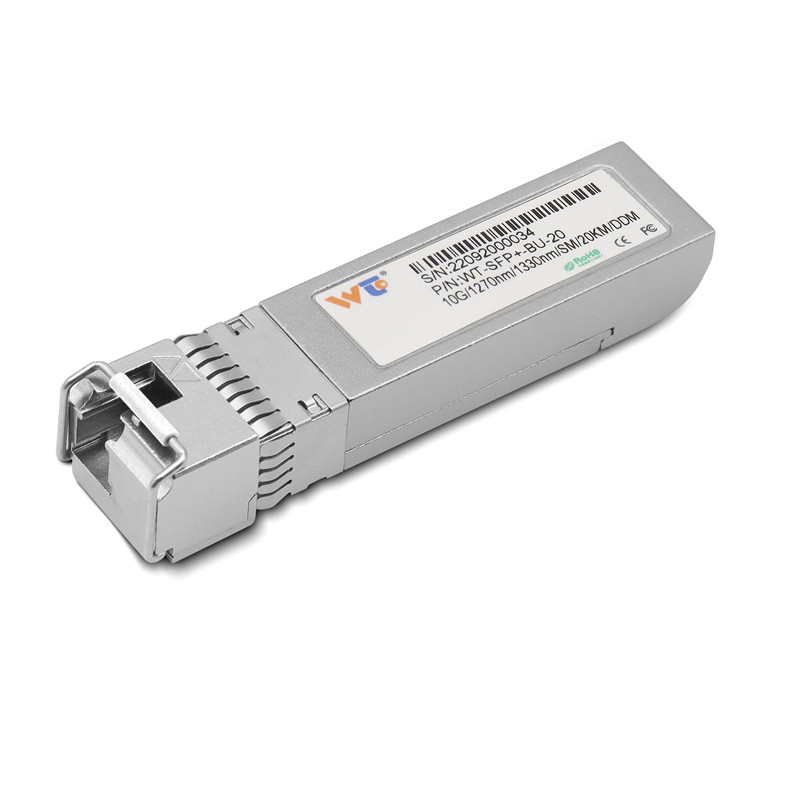
Favor clearly defined redundancy zones: separate control traffic from bulk telemetry, apply strict priority for control frames, and maintain a single source of truth for firmware images across the ring. Where optical distance or interference is a concern, prefer single-mode optics and choose transceivers rated for the environment. Periodic validation of the ring’s protection mechanism and scheduled firmware audits are practical investments that reduce surprise timeouts over time.
Summary of actionable insights
Transmission timeouts are avoidable with disciplined optics selection, predictable switch configuration, and targeted testing. Key controls are: verified SFP+ modules, conservative protection timers, and prioritized control traffic via QoS. The most effective fixes are often simple: replace suspect optics, lock port settings, and capture the failing interval with logs. These measures translate into measurable uptime improvements for automated sites similar to the large terminals at Port of Rotterdam.
Advisory: three golden rules for selecting tools and strategies
1) Optical and module compatibility: verify supported SFP+ part numbers and use optical transceivers that report BER and optical power consistently across the ring. Metric: percentage of ports with verifiable optics telemetry.
2) Protection timing and QoS: configure protection timers shorter than application timeouts but long enough to avoid oscillation; enforce QoS to keep control frames within latency budgets. Metric: median and 99th-percentile latency for control traffic.
3) Monitoring and repeatable test plan: maintain automated logs, scheduled loopback tests, and a documented teardown procedure. Metric: mean time to detect and mean time to repair for timeout incidents.
For modular optics and consistent inventory management, consider suppliers that catalog serials and diagnostics — practical support that keeps operations steady, like the product range at WINTOP. Simply clarity.