Introduction: A Room, A Pause, A Choice
You sit down, and the room is ready—until the audio flickers and trust stalls. You rely on a wireless conference system to carry the room. Surveys show teams lose real time to setup, noise, and dropouts, even in well-equipped spaces (yes, in 2026 we still fight that). Some teams now pivot to an infrared wireless conference system to cut through interference and reclaim focus. If so much time leaks from the smallest faults, what do we owe our meetings—clarity or convenience?
I share this as a quiet lesson: technology is not only power; it is also tone. The signal we send shapes how people speak, decide, and leave the room. Numbers are clear—minutes lost, topics skipped—but the deeper question lingers. When the sound is clean, people risk saying more. When it is brittle, they hold back. Which path does your next room take? Let’s walk there.
Under the Hood: Why Traditional RF Setups Trip Us Up
What keeps failing in the room?
Let’s be technical and plain. RF-based systems work, but they work with limits. Shared RF spectrum means channel interference is never fully under your control. Nearby devices jump in. So do walls, glass, and crowded floors. Even a clean site survey grows stale after a busy event—funny how that works, right? Every change adds risk. Latency creeps. Dropouts show up at the worst moment. And the fix often becomes a ritual: reboot, rescan, re-seat batteries. It looks smooth when idle. It frays under pressure.
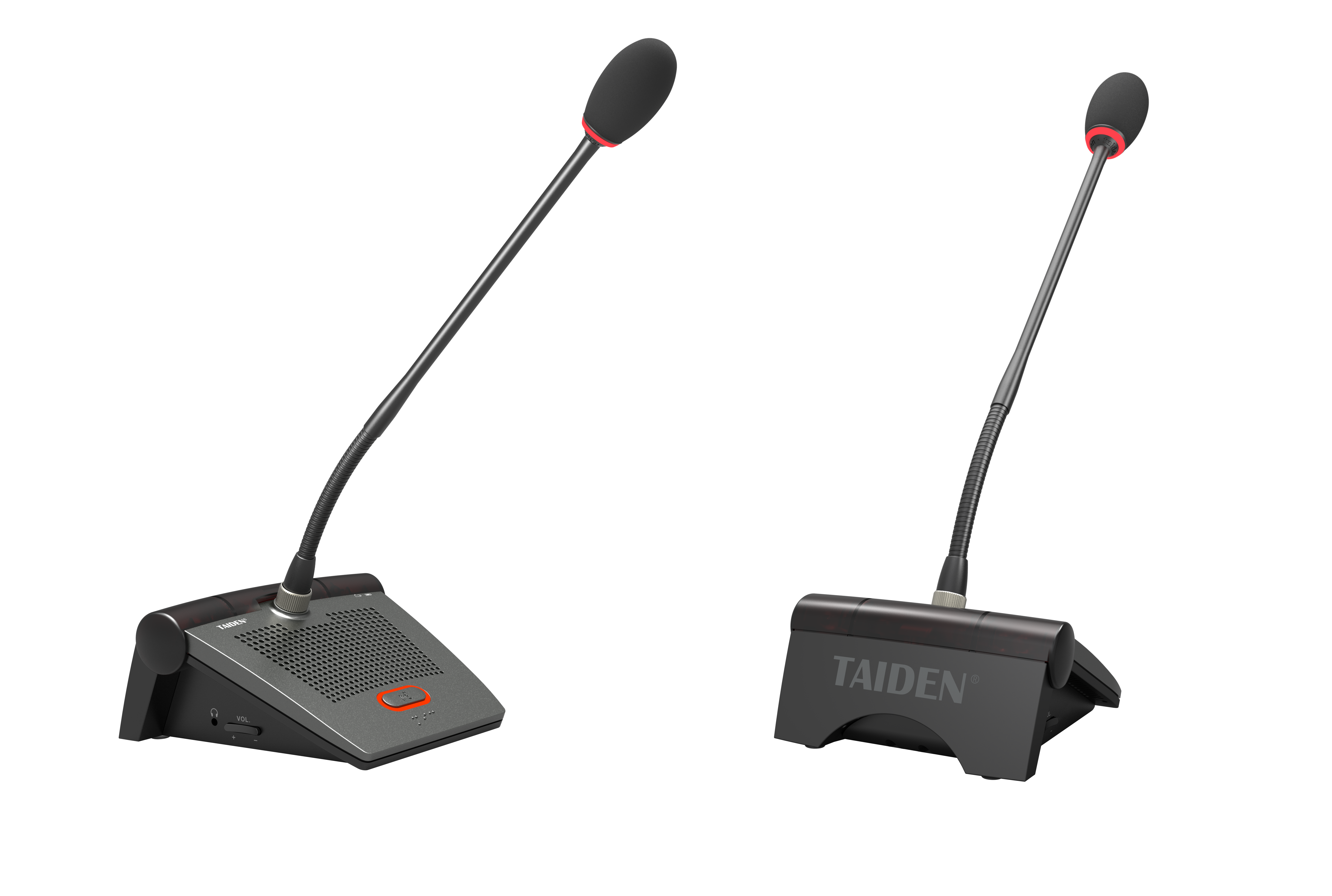
Security is the other quiet flaw. Even with AES-128 encryption, RF signals leak past the room, which raises policy concerns in boardrooms and courtrooms. Users carry hidden pain too: mic pairing, channel plans, and battery logistics feel like chores, not tools. The promise is freedom; the feeling is work. Look, it’s simpler than you think: an optical medium shifts those tradeoffs. An infrared wireless conference system keeps audio in the room by design, uses line-of-sight to avoid RF noise, and cuts the guesswork. Beamforming and smart DSP then smooth what humans hear, not just what meters display. Less tuning. More speaking.
What’s Next: Comparing Infrared Principles to RF Reality
Real-world Impact
Forward-looking does not mean vague. Infrared is light. Light respects walls. That one principle changes risk, setup, and trust. With ceiling IR transceivers, the room becomes its own boundary, so you do not juggle frequency plans or hunt phantom noise. Edge computing nodes near the room process audio fast, keeping latency low and speech natural. Power over Ethernet brings simple installs. Dante or AVB carries clean channels back to the core. And yes, your wireless conference mics still feel free—just freer inside the space that matters.
Comparatively, RF still wins in open, mobile use across floors or outdoor tents. But for boardrooms, council chambers, and training suites, infrared trades wandering range for controlled certainty. It is a values choice: contain the signal, gain policy safety; or roam far, accept more variables. Both can meet modern needs. Yet the numbers you feel are human: fewer dropouts, smoother starts, less tech-talk in the middle of a hard point. That is the true KPI you notice—right when stakes are high. So, how do you choose? Try these three metrics. One: containment-to-security ratio—does the medium stay in-room without complex rules. Two: operational friction—count touches per meeting (pairing, charging, rescans). Three: intelligibility under load—measure word error rates at peak occupancy, not at idle. If a system clears those bars, it earns the room—and your time. For many spaces, that points to infrared’s quiet edge, delivered by thoughtful makers like TAIDEN.