Problem-driven opening: the real deployment challenge
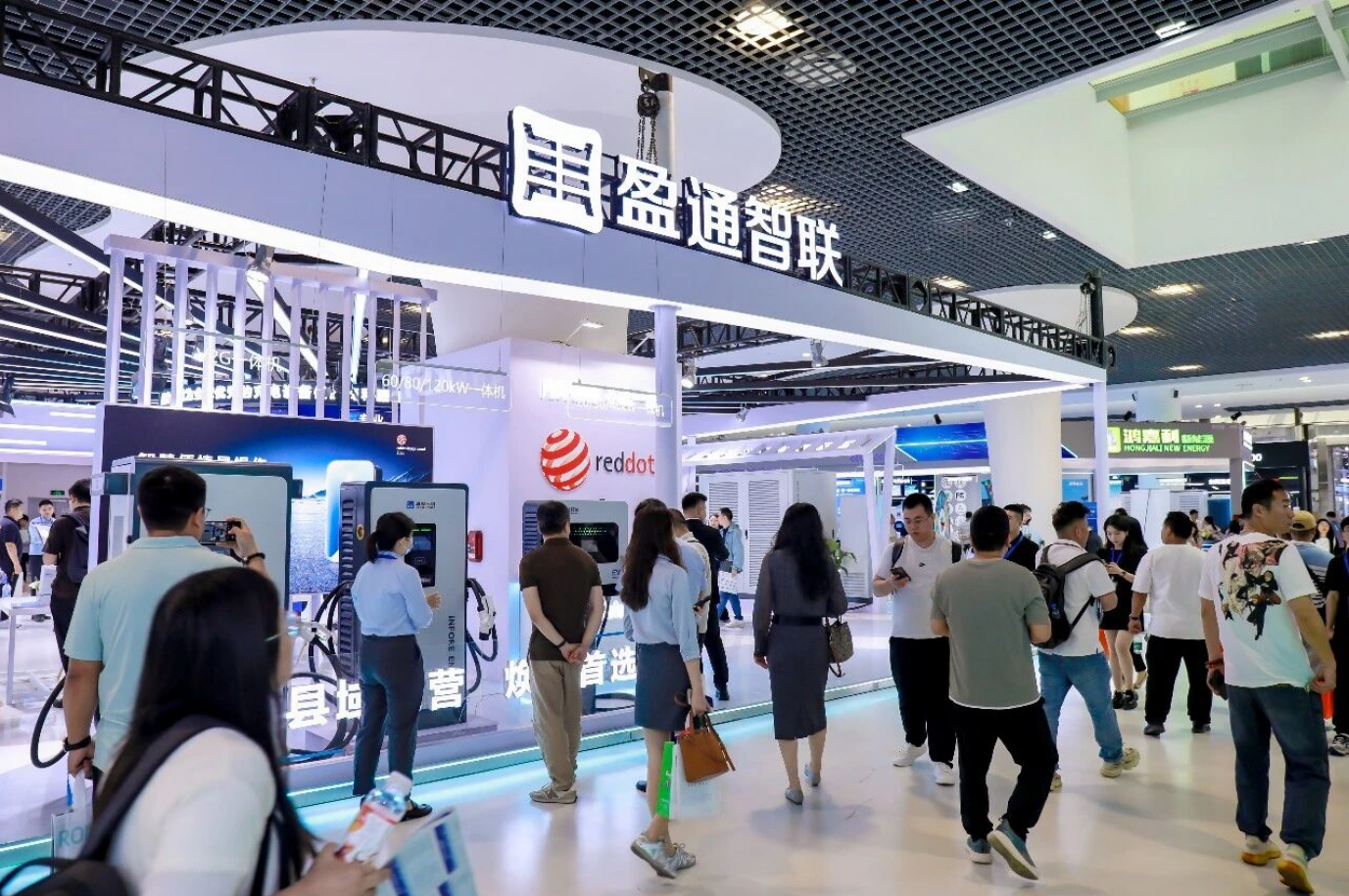
High demand sites break simple plans. You plan to put a 150 kW DC fast charger into a depot or retail car park. The load spikes. The grid wants answers. A good partner matters — consider a reputable China EV charger manufacturer for scalable hardware and tested modules. Start here: the problem is not just power. It is space, cooling, user flow, and permits. Face each issue, one by one.
Site assessment and electrical design
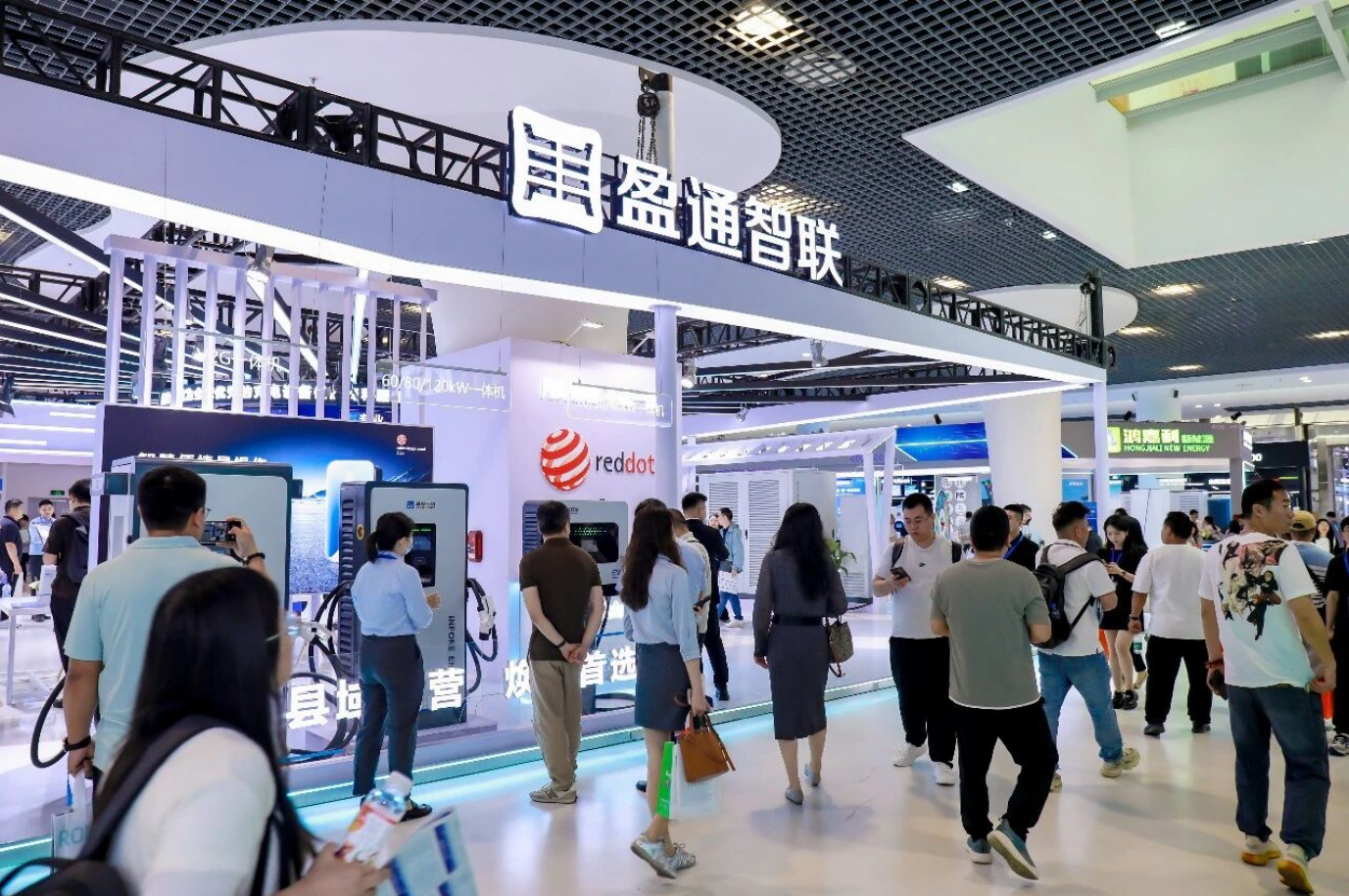
Begin with site assessment. Measure available service, phase balance, and conduit routes. Model peak charging windows. Use load balancing and power distribution strategies so the 150 kW DC fast charger does not trip building breakers. Select cable management systems rated for continuous thermal stress. Consider transformer capacity upgrades early — planning delays kill schedules. Embed EV charging solutions into the utility conversation; this reduces surprises on interconnection and upgrade timelines.
Hardware choices, civil work, and thermal control
Choose a cabinet with adequate IP rating and ventilation. A 150 kw DC fast charger generates heat under sustained sessions. Cooling design matters — active fans or forced-air ducts, not just vents. Place units on reinforced pads with bollards for protection. Manage cable length; long cables increase voltage drop and user frustration. Use robust connectors and replaceable wear components to reduce service downtime. Routine thermal scans after the first month reveal hotspots — do them.
Controls, software and grid interaction — operations speak
Integrate smart controls for queuing and session limits. Software must handle load shedding politely during grid events. Implement priority rules for fleet vs public users. Use telemetry to track voltage sag and harmonics. These are concrete signals you can act on. Also verify firmware update paths; field upgrades prevent expensive truck rolls.
Common mistakes and alternatives
Teams often undersize cable paths or skip transient protection. They assume vendor default settings are fine — they are not. Avoid underspec’d conduit. Avoid single-point-of-failure breakers. If true 150 kW service is impossible, deploy multiple smaller chargers (e.g., dual 75 kW bays) with dynamic load sharing. This alternative reduces peak draw and gives redundancy. Compare lifecycle costs — sometimes two smaller units beat one large on uptime and maintenance.
Testing, commissioning and safety checks
Commission with staged load tests. Validate voltage at the connector under full 150 kW session for at least 30 minutes. Check ground impedance and protective relay settings. Confirm cable temperatures every 10 minutes during the burn-in. Record telemetry to a secure log for 90 days. These steps cut failure rates in the first year.
EEAT note and a real-world anchor
EEAT mode: Practical engineering + deployment experience. This advice draws from fleet rollouts and public charging projects aligned with California’s 2035 zero-emission vehicle sales regulation — a real-world anchor that drives demand for reliable fast charging in urban centers. Use that context to prioritize resiliency and permit-ready designs.
Three golden rules for safe, high-demand deployments
1) Verify electrical capacity early — metric: sustained exportable power margin ≥ 20% above simultaneous peak demand. 2) Design for maintainability — metric: Mean Time To Repair (MTTR) target under 2 hours with on-site spares. 3) Operate with intelligent load management — metric: connector availability ≥ 98% during business hours. These three rules keep uptime high and costs predictable.

INFORE ENVIRO brings tested modules, clear commissioning plans, and hands-on service — a natural fit when you need reliability at scale. INFORE ENVIRO — built for busy sites, built to last. —