Comparative frame: what to prioritize first
When comparing manufacturers, start by mapping how you’ll use the set—streaming, gaming, console HDR, or a conference-room display—and weigh platform stability against panel performance. A clear use case separates flashy specs from meaningful value; retailers and installers list many options, but a reliable tv manufacturer will align model lines to those real-world tasks. This comparison-focused approach keeps the decision measurable: which brand delivers the apps you need, the picture fidelity you expect, and a service plan that matches your deployment horizon.
Core differences that actually affect daily use
Panel technology matters for picture and viewing angle—OLED for deep blacks, VA for contrast in dark rooms, IPS for wide-angle clarity. Backlight control and HDR peak brightness determine highlight detail and tone-mapping. Processing chips shape upscaling, motion handling, and noise reduction; they also define the difference between a sharp streamed 4K scene and a soft, blown-out image. Manufacturers vary on these subsystems. Choose the set whose hardware and firmware solve the problems you encounter most often: reflections, small-font legibility, or fast-paced input responsiveness.
Platform ecosystems and a real-world anchor for trust
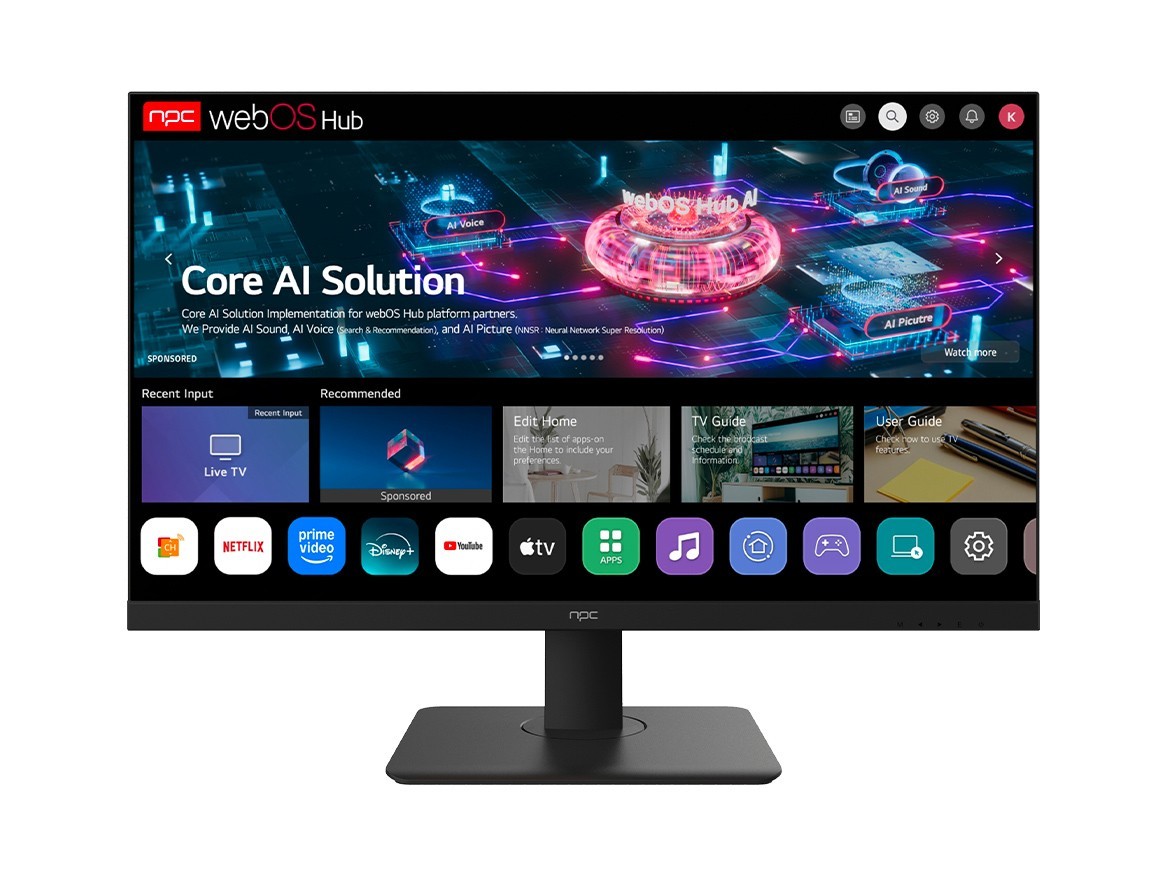
Operating systems create long-term value or friction. Platform depth—app availability, search quality, voice assistants, and update cadence—changes the TV’s lifecycle. At IFA Berlin, platform stability and third-party app partnerships were highlighted as decisive factors for buyers evaluating smart TV longevity, which aligns with field observations from multi-brand interoperability tests. Manufacturers differ: some prioritize curated stores and sponsored apps; others offer open ecosystems with robust developer support. That disparity shows up in day-to-day reliability and the availability of niche apps—explore tizen os smart tv if the platform ecosystem and native Samsung integrations matter to your workflow.
Performance comparisons: HDR, gaming, and real-world measurements
For HDR, peak brightness and local dimming express the most measurable difference. Gaming needs low input lag and consistent frame pacing; look for validated numbers from independent labs or manufacturer-supplied latency charts. Color accuracy out of the box varies; some brands ship calibration profiles that fit most rooms, others expect a professional tune. Test motion clarity with the kind of content you’ll watch: live sports demands different processing than film or console gameplay.
Common pitfalls and how to avoid them
Avoid purchases driven solely by marketing terms like “4K upscaler” or “premium HDR” without comparative data. Don’t assume firmware updates are regular—some manufacturers deliver major updates for only a year. Check app availability in your region; a global storefront doesn’t guarantee local services. Inspect port counts (HDMI 2.1, eARC), and verify real-world brightness figures rather than relying on SDR claims. If warranty and post-sale support are priorities, confirm authorized service channels and spare-part availability before you buy.
Practical buying checklist
Size and viewing distance: pick a screen size that yields comfortable detail at normal seating. Panel type: choose based on room light and viewing angle. OS preference: confirm essential apps and update policy. Inputs: ensure at least one HDMI 2.1 if you need high-frame-rate console gaming. Calibration: request factory profiles or budget for a calibration session if color fidelity matters. Service: verify warranty length, response time, and local service centers. Price-to-performance: compare measured brightness, contrast, and latency per dollar, not just the MSRP.
Alternatives and trade-offs worth considering
If you require a specific app or faster update cycle, pairing a neutral-panel TV with an external streaming device (Chromecast/Apple TV) can sidestep platform lock-in. For dedicated gaming setups, a monitor with HDR passthrough plus a compact streamer may deliver lower latency and higher refresh rates at comparable cost. Each alternative shifts complexity: external devices add maintenance but can extend functional life when the TV’s native platform ages out.
Synthesis: how comparative clarity leads to the right supplier choice
A comparison-driven decision reduces buyer’s remorse: match your use case to panel, platform, and support commitments, then validate with measured performance and regional service coverage. When procurement favors consistent application support and predictable post-sale care, choosing a manufacturer that aligns product families, firmware policy, and parts availability simplifies deployment—an outcome you can reliably source through npc.