The problem: budgets balloon because the wrong levers get pulled
Projects for automotive battery packs look simple on paper: buy cells, assemble, test, ship. Real life is messier. Early choices — cell format, pack architecture, the level of line automation — change capital needs, material costs and testing scope in ways that surprise teams. If you’re comparing quotes from battery pack assembly suppliers, you’ll see price differences that stem from architecture decisions as much as supplier margins. That’s why teams talk about cell to pack technology now: a shift to fewer assembly steps can cut module costs but forces new tooling and validation. Remember CATL’s 2020 move to cell-to-pack in China — it changed how OEMs and suppliers priced risk and scale.

Core cost drivers you must quantify
– Bill of materials (BOM): cell cost, busbars, cooling, sensors and fasteners dominate direct spend. – Capital for automation: robots, custom fixtures and vision systems are upfront-heavy; amortization matters. – Process yield and rework: poor yield multiplies labor and test costs. – Testing & validation: high-voltage endurance, thermal testing and software validation add time and equipment needs. – Integration engineering: electrical architecture, BMS integration and harness complexity drive engineering hours. – Supply chain risk and logistics: cell lead times, import duties and pack shipping constraints affect working capital. – Regulatory and safety compliance: crash, thermal runaway and UL-like tests add certification costs and design iterations. – Serviceability and end‑of‑life: designs that simplify repair versus sealed-for-life packs change warranty provisioning.
Why automation matters — and when it doesn’t
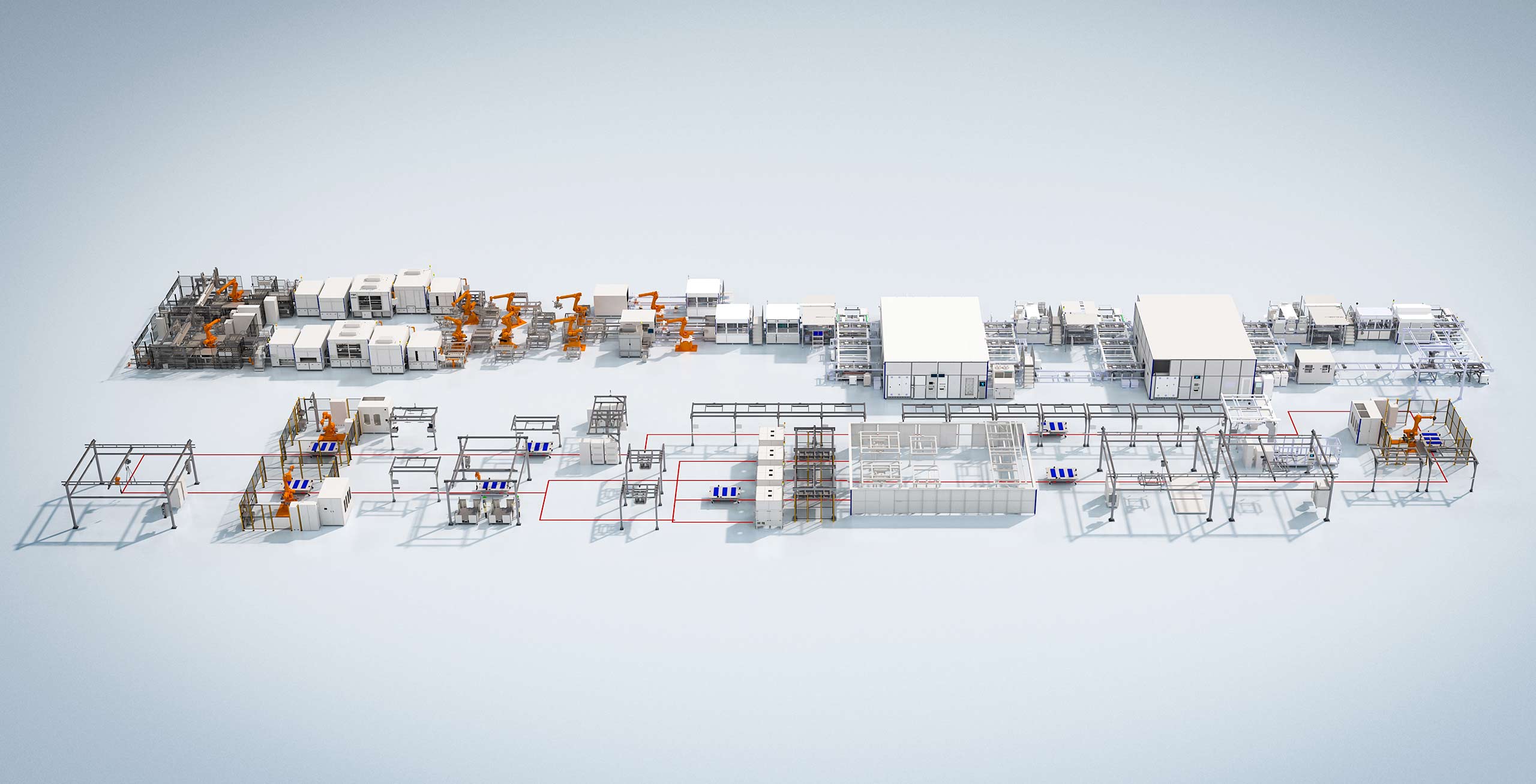
Automation lowers per-unit labor but raises fixed cost. The break-even depends on expected volumes, product change frequency and yield. A few practical patterns: – Low volumes or frequent design changes: keep manual or semi-automated lines. Flexibility beats speed. – Stable high volumes: full automation and cell joining robots pay off through cycle time and repeatability. – Cell-to-pack adoption: fewer module steps reduce handling but require new joining fixtures and more aggressive validation. Also factor software: line control, data capture and traceability cost as much effort as hardware early on. If you underestimate software integration, the automation ROI will slip.
Common mistakes that double the expected cost
– Treating BOM quotes as fixed — prices change, and cell costs are volatile. – Over-automating a design before process maturity — you lock capital into fragile equipment. – Ignoring test time in line capacity planning — a long soak or thermal cycle bottlenecks throughput. – Deferring DFM (design for manufacturing) until after prototype validation — rework becomes the hidden budget killer. – Choosing suppliers without on-floor audits — capability claims rarely match as-built takt times.
Practical steps to align scope with value
Start by modeling total project cost, not just unit cost. Key actions: – Build a three-year volume scenario to set automation scale. – Run a small pilot line to spot yield losses and timing issues before full investment. – Use modular interfaces so you can change cell types without retooling the whole line. – Require traceable test data from suppliers; link manufacturing data to warranty models. – Negotiate tranche-based capital spend tied to performance milestones to reduce upfront exposure. These moves force honest numbers earlier and keep surprises down.

Quick comparison: CTP vs module-based approaches
Cell-to-pack (CTP) – Pros: fewer assembly steps, lower part count, potentially higher energy density. – Cons: higher tooling complexity, tougher rework, concentrated validation burden. Module-based packs – Pros: incremental validation, easier supply diversification, simpler change management. – Cons: more parts, slightly higher mass and assembly time. Pick CTP when volume and stable cell formats are certain. Keep modules when flexibility and supplier spread matter more.
Final thought
Fix the problem early: quantify volumes, run a pilot, and force DFM into the first engineering weeks. That sequence turns the common unknowns — yield, validation time, supplier variability — into calculated inputs instead of surprise invoices. Teams that do this end up with repeatable costs and realistic timelines; firms with shop-floor experience often lead those efforts, which is why pragmatic engineering groups work alongside partners such as FHS that combine production know-how with practical cost modeling.