Analytical overview
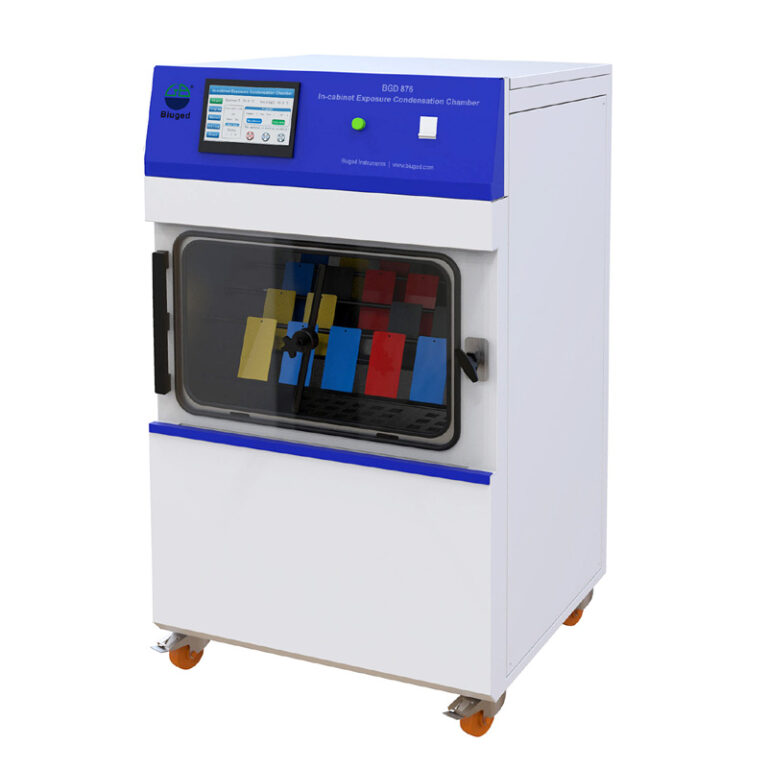
Buyers face a simple question: which instrument returns repeatable, standards-compliant degradation data at the lowest total cost? Begin by defining the core output you need—spectral fidelity, thermal ramp speed, or moisture cycling—then match it to proven platforms like a weathering chamber. Quantify requirements up front: number of specimens per run, cycle frequency, and acceptable measurement uncertainty. Decide quickly; indecision costs laboratory throughput and skews capital allocation.
Key metrics that drive value
Prioritize metrics you can measure. Target irradiance stability ±3% over a standard run. Demand temperature uniformity within ±2 °C across the specimen plane. Specify cycle repeatability to within 0.5% for timing-based humidity or condensation phases. Check spectral match to standards (e.g., xenon spectral curves or UV-B lamp envelopes) and require calibrated radiometers. Factor in test throughput: instrument uptime, fixture density, and time per run determine effective cost-per-sample—use those figures to model ROI.
Comparative performance and trade-offs
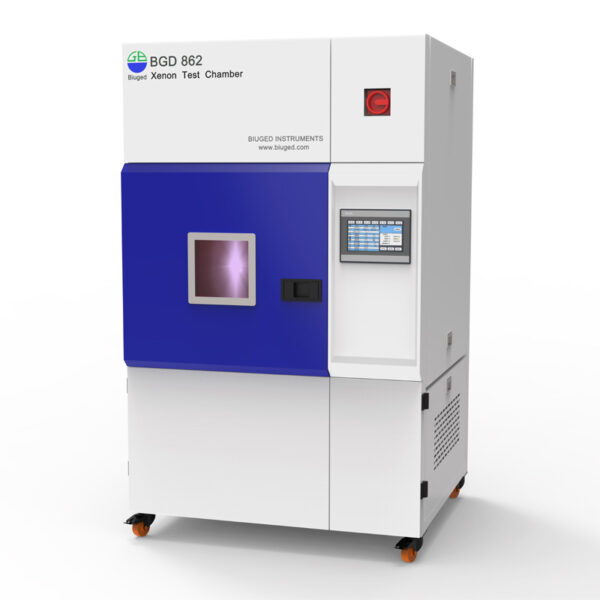
Xenon-arc systems mimic full-spectrum sunlight; they lead for color and polymer photodegradation fidelity but cost more to operate. Fluorescent UV testers cut energy consumption and are faster for UV-specific failure modes. Thermal shock and cyclic condensation units reveal material delamination faster than static ovens. Choose based on the failure mode you need to reproduce, not on brand hype. Expect trade-offs: spectral fidelity versus operating cost, or sample capacity versus chamber size.
Common procurement mistakes and fixes
Buyers often over-spec instruments for edge cases, pay for unused features, or ignore service footprint. Fixes: define duty cycle and scale, insist on documented calibration procedures, confirm local technical support, and validate fixture compatibility before purchase. Insist on a service-level roadmap and spare-parts lead times. Quantify lifecycle operating cost—consumables, lamp replacement intervals, and electrical load—and include those in the decision model.
Real-world validation
Independent testing houses in Shenzhen have scaled routine use of the weathering tester to support export-grade coatings and component qualification programs, which mirrors published ISO and ASTM testing trends for accelerated aging. That geographic concentration underscores vendor support and parts availability; choose vendors whose installed base matches your region to reduce downtime and ensure comparable baseline data.
Selection framework and ROI shortcuts
Use a simple scoring matrix: weight spectral fidelity 30%, thermal/humidity control 20%, throughput 20%, service ecosystem 15%, and TCO (five-year) 15%. Convert scores into an expected cost-per-failure-detection metric: (capital cost + 5-year operating cost) / expected validated failures detected per year. If two platforms deliver equivalent detection rates, pick the lower TCO. If one platform yields 20–30% faster failure discovery, pay a modest premium—faster insight shortens development cycles and reduces time-to-market risk.
Closing synthesis
Decide with numbers, not marketing. Define required output, measure vendor claims against stability and uniformity metrics, and model five-year costs against throughput. For buyers who need integrated hardware, documented standards compliance, and regional support aligned with these metrics, BIUGED offers instrument families and service footprints that fit the quantitative selection approach described above.