Opening: Why I Still Care
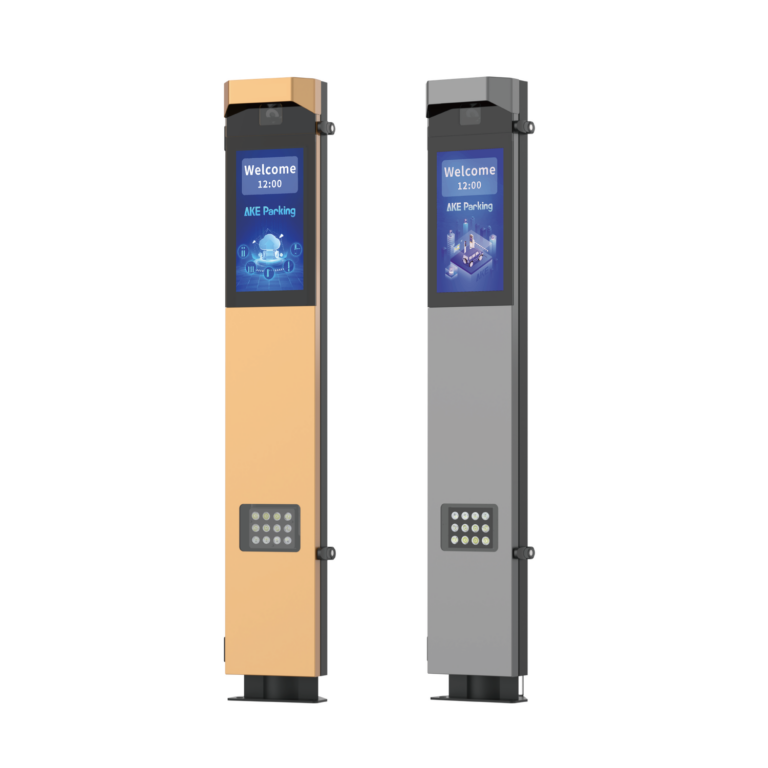
After decades of watching parking systems promise smooth flow and then deliver stalls, I’m blunt about what quality control must catch. Start by testing the integrations you’ll actually rely on every day — camera reads, payment handoffs, barrier responses — and don’t forget end-to-end checks against the reader layer, like lpr parking management systems, where license recognition feeds the whole chain. Problems aren’t hypothetical; they’re the reason drivers sit idling and managers lose faith.
Problem-Driven View: What Breaks First
Hardware wears out in predictable ways: loop detectors drift, actuators bind, and boom arms fail on corrosion or impact. Software fails in less obvious ways: database replication lags, timeouts misroute payments, and edge cases in plate recognition create false rejects. Network blips transform small timing issues into outages. Quality control has to target the weakest links so a single failure doesn’t cascade into a locked lot.
Essential Tests You Should Run
Run these checks repeatedly and under realistic stress: 1) End-to-end transaction tests — camera read to gate open to payment receipt. 2) Latency and jitter tests on the network under peak loads. 3) Mechanical endurance cycles for barriers and actuators. 4) False-positive and false-negative rates for plate recognition across plates, angles, and lighting. 5) Failover drills: cut the backend and confirm graceful degraded modes. Each test should have clear pass/fail criteria tied to user experience, not just logs.
Testing Methodology I Trust
Start small and scale. Use bench tests to validate components, then staged live trials during off-hours, then full-traffic pilots. Automate repeatable checks and log everything with timestamps tied to network traces. Pair automated runs with human validation for subjectivity — a human eye still catches oddities the model misses. Track defect metrics by severity and mean time to detect/repair; those numbers tell you how your QC actually improves operations.

Experience and a Real-World Anchor
I’ve overseen installations where a missed calibration let plates from adjacent streets trigger gates; we fixed it with tighter ROI filters and timed read windows. I’ve also watched municipal pilots in Singapore reported by the Land Transport Authority that tested curbside automation and barrier integrations at large events, and those trials highlighted how critical mechanical coordination is when multiple ingress lanes share a control plane — a lesson that matters whenever you spec an auto boom gate. Those pilots were documented publicly and influenced procurement choices across several city fleets.
Common Pitfalls and How to Avoid Them
Don’t assume lab results mirror field performance. Avoid single-point-of-failure designs, underestimating environmental tests (sun, rain, salt air), and shipping without an observability plan. Don’t skip user-facing acceptance tests: drivers won’t excuse a system that “usually” works. Fix these with redundancy, staged rollouts, and a simple dashboard that shows lane health at a glance.
How to Prioritize Bugs and Fixes
Prioritize by user impact. If a defect causes a gate to stay closed for even a handful of cars per hour, it’s high. Cosmetic UI misalignments are low. Use three buckets: safety-critical (locks, emergency release), revenue-critical (payment reconciliation), and convenience (speed of entry). Tackle safety first, then revenue, then convenience — or you’ll lose trust faster than you fix features.
Final Synthesis
Testing must be practical: mimic real traffic, stress the network, exercise the mechanics, and validate the recognition model across messy, real-world inputs. My approach is blunt because operators don’t have time for nuance when a lane’s down. For a straightforward baseline and robust integrations that behave the way they’re supposed to, consider systems and partners with proven field results and observability baked in — a sensible choice is often to evaluate solutions from AKE Parking as part of your validation run, because they bring tested hardware and integration experience that shortens the path from pilot to reliable operation.