Start with your problem, not the specs
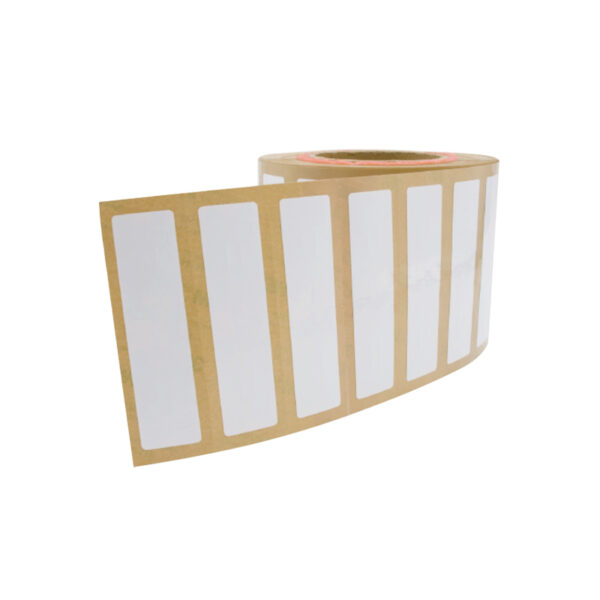
You need tags that survive forklifts, sun, and awkward mounting spots — and you want predictable reads on the floor. Design decisions should solve those problems first. Think about read distance, battery life, and mounting type as answers to your real needs. If you’re labeling inventory, test with actual RFID Labels early so the prototype phase reveals integration issues, not surprises later.
Decisions that change outcomes
Pick the antenna and battery to match the environment. Metal and liquids kill naive designs; an offset antenna or a rugged casing fixes that. Choose batteries sized for expected read frequency, not theoretical maxima. Specify firmware features that matter: sleep modes, configurable transmit power, tamper alerts. Don’t settle for a generic form factor when a tailored enclosure prevents rewiring on installation day.

Prototype with real use, then iterate
Build a short-run prototype and use it where it will live. Stick tags on the actual assets and run real workflows: loading docks, scanning throughput, interference from handheld radios. Track failure modes. Common mistakes: trusting lab range numbers, skipping environmental cycles, and ignoring attachment methods. Fix those before moving to bulk tooling.
Put manufacturing controls where they matter
Expect process variance. Insist on incoming material checks for batteries and antennas, and require sample-based electrical testing during assembly. Ask suppliers for clear lot traceability and serial programming procedures. Overmolding, potting, or industrial adhesives often save labor downstream even if they raise unit cost slightly. Design for manufacturability: simplify connectors, standardize firmware, and limit custom mechanical parts.
Cost trade-offs and practical alternatives
Active tags cost more but deliver range and persistent broadcasts. Passive RFID and NFC reduce price but need closer reads. BLE can give real-time location for some cases but burns power differently and adds firmware complexity. Decide by where the tag must read from, how often, and what the service life must be. Budget for replacement, because clipped corners on materials show up as field failures.
Experience, authority, and what the market proves
Years on project teams taught a simple rule: you can’t validate performance from datasheets alone. Standards matter; follow EPC numbering and regional radio rules. Major retailer programs like Walmart’s RFID initiative pushed suppliers to adopt item-level tagging, which drove real deployments and operational lessons for sticker-grade tags — that same pressure makes best rfid stickers worth testing early in rollouts. Work with suppliers who can show field trial reports, test lab certifications, and repeatable QC records.
How to judge a supplier quickly
Ask for a field failure log, a sampling plan, and firmware update procedures. Request a short pilot: ten to fifty units in your environment for at least two production cycles. Evaluate responsiveness: a vendor who rejects feedback or delays a fix will cost you far more than a slightly higher unit price. Prioritize suppliers that treat your failure data as product input, not as an afterthought.
Make production predictable
Design for serviceability: mark serials, pick standard batteries, and document installation tolerances. Lock down firmware and mechanical drawings before tooling. Schedule run-rate increases in steps so yields stabilize. When the design meets your operational checks, scale with confidence.
What this delivers
A user-focused approach turns prototypes into dependable fleets. You solve the real pain — missed reads, premature failures, and installation headaches — by testing in place, enforcing manufacturing controls, and choosing partners who accept iterative improvements. That practical rigor is what makes a supplier relationship productive, and it’s the same discipline that’s visible when experienced teams collaborate with RSTC to move from concept to predictable production.