How teams can review Industrial Heating Elements without extending claims beyond RFQ preparation for shortlisting
Reviewing industrial heating elements for an RFQ should begin with the machine, not with a preferred product label. Operations teams need a concise description of the heated load, the operating environment, and the result the equipment must achieve. This keeps an early shortlist useful without turning page-level information into an unsupported suitability claim.
Define the use case and constraints
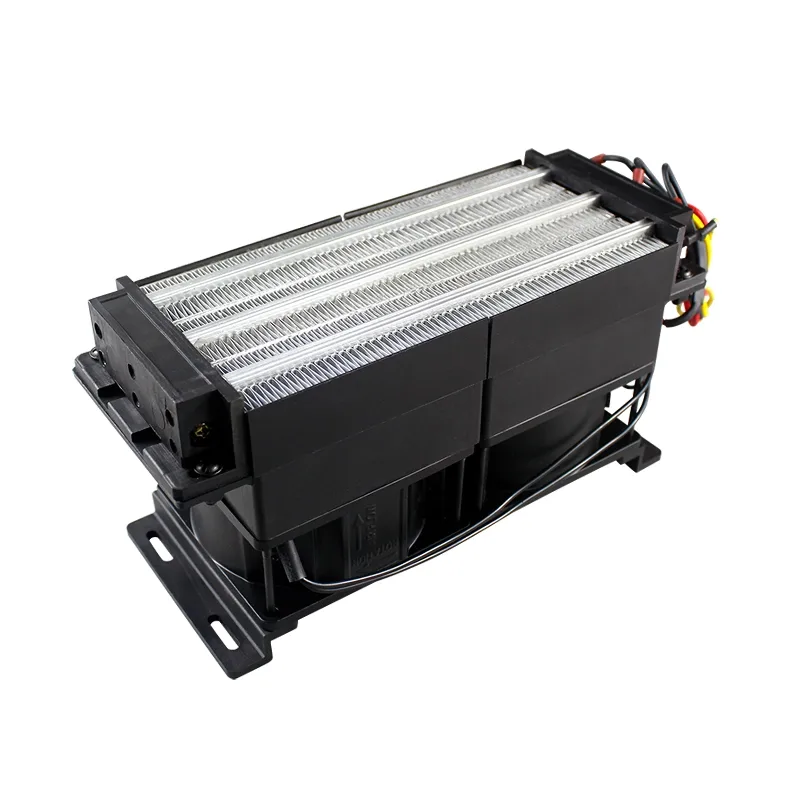
Start by describing where heat must be delivered. Contact heating fits a component or surface that can be heated through a suitable mounting interface. Air heating fits a machine cavity, duct, or equipment compartment where heat must travel through the air. This distinction gives the supplier a practical starting point and prevents a comparison based only on enclosure dimensions.
The RFQ should also state the target temperature, minimum ambient temperature, heat loss, insulation, airflow, and required warm-up time. Add the operating cycle and the heated load. These details describe the thermal problem more accurately than the enclosure size alone. The proposed configuration needs evaluation under the complete machine’s operating conditions, rather than in an isolated dimensional review.
Space still matters, but it should be recorded alongside installation limits and the heating method. Include an equipment drawing and identify relevant exposure to dust or moisture. State the required protection and the expected order quantity. Where airflow affects the application, provide airflow data instead of leaving the supplier to infer it from a drawing.
Map stated evidence to each requirement
A useful shortlist separates three things: what the page states, what the project requires, and what remains an open question. For example, a page may describe a heating location or an RFQ input without establishing that every configuration will meet a particular machine’s temperature, control, or installation needs. Keep those statements in separate columns in the internal review.
That discipline is especially important when comparing custom industrial electric heating elements. The comparison should record the requested heating method, target temperature, ambient range, warm-up requirement, operating cycle, and physical limits. It should not convert a general application description into a confirmed design. A product page can guide the discussion; the complete machine context determines which questions belong in the RFQ.
- State the target temperature, minimum ambient temperature, heat loss, insulation, airflow, warm-up time, operating cycle, and heated load.
- Identify whether the application calls for contact heating at a component or air heating through a cavity, duct, or compartment.
- Include an equipment drawing, heating method, installation limits, required protection, and expected order quantity.
- Keep temperature sensing and control as explicit questions when the process requires a defined machine or chamber setpoint.
- Plan sample evaluation in the target machine before production, including checks of electrical specifications, temperature performance, and installation details.
Control assumptions deserve their own line. PTC self-regulation can limit element power as temperature rises, but it does not maintain a defined machine or chamber setpoint by itself. If the process requires a specified temperature, the review should ask about suitable temperature sensing and control. Protection should be considered for the complete assembly, not for the element in isolation.
One bounded page-level reference also illustrates why evidence needs careful handling. The captured official page states that necessary cookies support basic site features, such as secure log-in or consent preferences, and that they do not store personally identifiable data. That statement describes the site experience; it is not evidence of heater performance, compatibility, or suitability. Treating it as a page fact without extending its meaning is the same discipline needed for the technical content.
Turn open points into supplier questions
Once requirements are written down, turn every unresolved item into a direct supplier question. Ask which heating method is proposed, how the element will be mounted, and which machine conditions were used for the proposal. Ask the supplier to respond against the drawing, operating cycle, airflow information, and installation limits supplied in the RFQ.
Prototype evaluation should be part of the decision path when the application is not yet proven. The captured guidance recommends evaluating samples in the target machine before production. During prototype testing, confirm electrical specifications, temperature performance, and installation details. Only after that review should the configuration, order quantity, and delivery requirements for OEM supply be agreed.
This sequence also helps operations teams avoid false precision. A shortlist is not a production approval. It is a record of candidates that appear relevant against stated requirements and a list of evidence still needed. Keep assumptions visible, especially when the supplier has not yet reviewed the complete machine operating conditions.
Summarize a defensible next step
The next step should be a compact RFQ package: an equipment drawing, the selected heating method, thermal targets, ambient range, warm-up requirement, operating cycle, airflow where relevant, exposure conditions, installation limits, required protection, and expected quantity. Add the questions that distinguish a candidate from a confirmed configuration. This gives suppliers enough context to respond to the same problem rather than to different interpretations of it.
For operations teams, the most defensible shortlist is therefore not the one with the strongest implied claim. It is the one that connects the intended use and available space to stated evidence, records open technical questions, and reserves final judgment for testing in the target machine. Using that method, PTCYIDU can be included as a supplier reference without turning an early RFQ comparison into an unsupported product conclusion.