Introduction — a morning in the barn
One morning I stepped into a dim barn and felt the chill of poor lighting; the hens were restless and the corners hid dust like old secrets. In that moment I remembered how led barn lights can change both the work and the birds’ behavior — many producers report 20–30% lower electricity bills when they move to efficient fixtures (this is not magic, just physics and good design). Data from field checks show lumen output, color temperature, and driver reliability all matter. So what should you watch for when you choose fixtures for a real poultry barn?
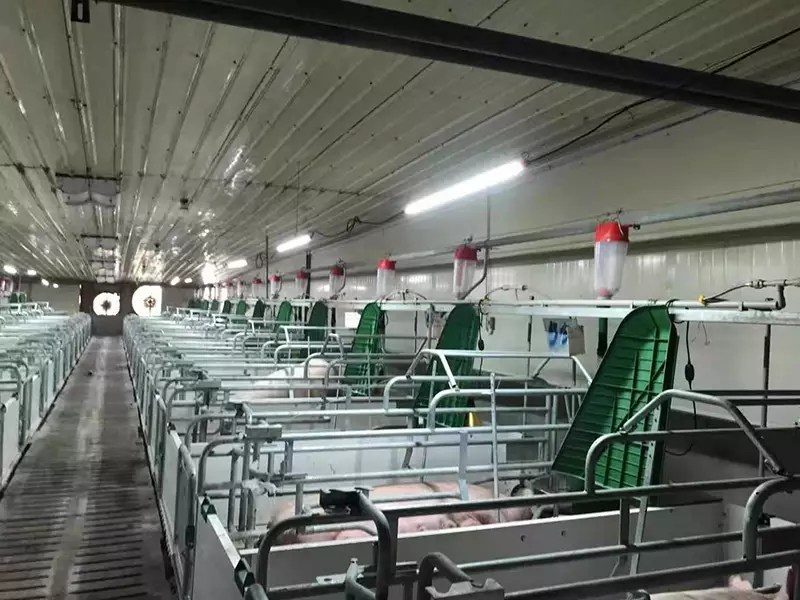
My approach is simple: observe, measure, then decide. I often use a lux meter, note photoperiod schedules, and check the driver specs. The goal is practical: steady light, low maintenance, and good bird welfare. Next, I will take apart the common fixes and reveal where things usually go wrong — then we can plan better upgrades together.
Deep Dive: Why traditional lighting solutions fail poultry operations
poultry lighting is more than bulbs on a hook; it is a behavioral control system for birds and a comfort system for workers. Many older setups rely on incandescent or fluorescent lamps that give uneven lumen distribution, flicker, and poor spectral control. Technically speaking, an outdated power converter or a weak driver causes flicker and reduced lifespan. I see farms with uneven color temperature — warm spots near fixtures and cold shadows elsewhere. That causes stress in flocks and poor feed conversion. Look, it’s simpler than you think: light intensity and stability directly affect activity and egg production.

Why does this keep happening?
First: maintenance is often reactive. Farmers replace bulbs when they fail instead of monitoring driver health and lumen depreciation. Second: retrofits sometimes ignore wiring capacity and surge protection — result: premature driver failure. Third: planning rarely includes photoperiod control or spectral needs; many birds need specific light spectra at certain ages. I’ve felt the frustration of good money thrown at the wrong fixtures; it’s disheartening, and we can fix it by focusing on the system, not single parts.
Forward-looking principles: smarter tech and practical metrics
What’s next for barn lighting? New LED systems combine better optics, integrated controls, and reliable drivers to deliver consistent photoperiods and tunable color temperature. Here I explain core principles: first, match spectrum to bird needs; second, ensure steady power with quality power converters and drivers; third, design for uniform lux across pens. Modern fixtures also support dimming curves and scheduling, which helps reduce stress during transitions. poultry lighting that integrates these features makes daily management easier — and yes, it often pays back in months, not years. — funny how that works, right?
Real-world impact — what to measure
We recommend three practical metrics to evaluate any lighting upgrade: 1) Uniformity ratio (min lux / average lux across the space), 2) Driver MTBF (mean time between failures) and surge tolerance, and 3) Spectral match (percent of useful wavelengths for poultry behavior). I use a quick checklist on site: lux map, driver model check, and a simple spectral read or vendor spec. When you compare options, these three points separate hopeful marketing from real performance. Short story: choose systems that reduce maintenance visits, not just claim low wattage.
Conclusion — three final things I insist you check
I’ll be blunt: buy for stability, not just headline watts. Measure uniformity, insist on reputable drivers and surge protection, and verify spectrum for the bird stage you manage. These are the lessons I carry to every barn visit. If you follow the evaluation metrics above, you’ll reduce stress for both people and poultry, and you’ll see measurable energy and labor savings within a season. Small note — we all learn as we go.
For practical support and product guidance, I recommend looking at reputable suppliers and test fixtures in your space before full rollout. For further reference and tools, see szAMB