The problem I keep seeing
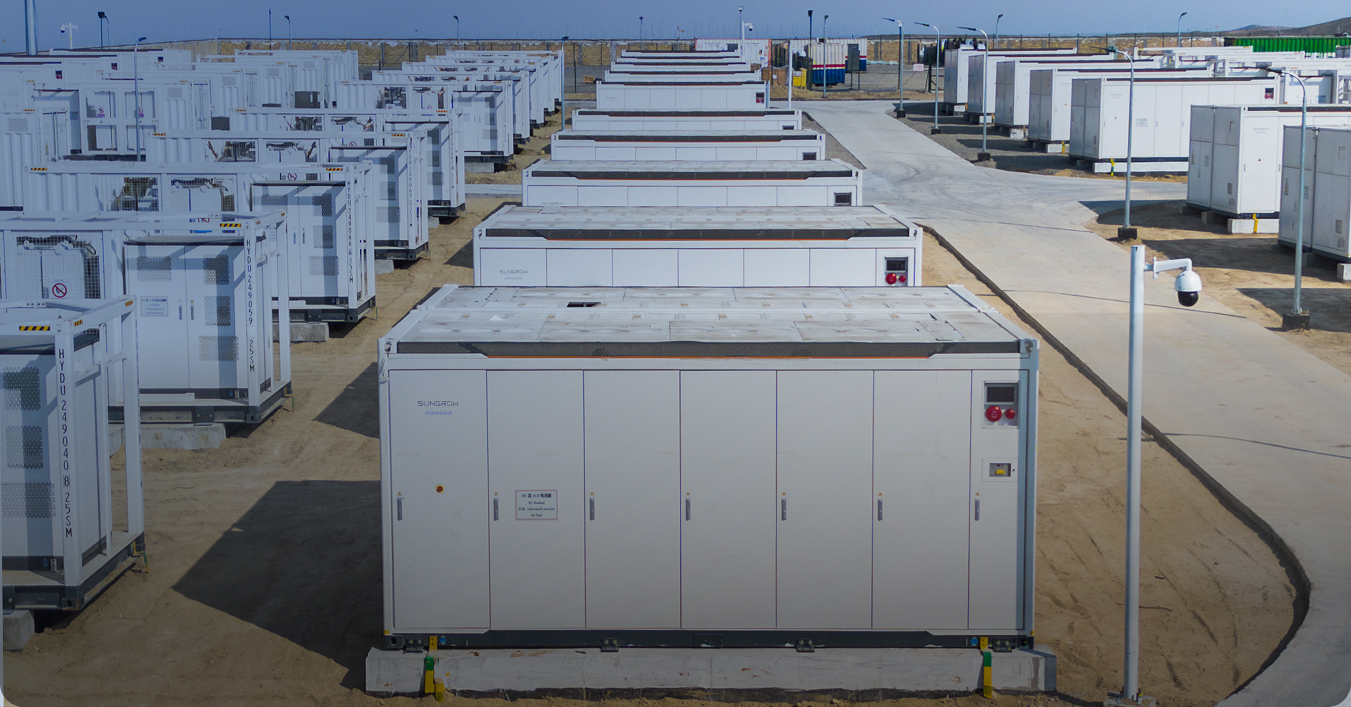
I still remember standing on the fenced lot outside Phoenix in June 2019, watching crews finish a 50 MW/200 MWh lithium-ion system — and then watching that system sit idle during the afternoon peak. After an overnight heat wave that tripped transmission lines (scenario), grid operators recorded 85 MW of solar curtailment and a 200 MWh shortfall in dispatchable capacity (data) — how could our utility scale battery energy storage systems have avoided a three-hour blackout? I’ll be blunt: the technology wasn’t the only problem. I’ve spent over 15 years in B2B supply chain and project delivery, and I’ve seen procurement, commissioning, and operations create failures more often than chemistry does. Problems hide in contracts, in mismatch between inverter specs and site needs, and in poor state of charge (SoC) policies that limit usable capacity. To be honest, these are practical snags, not theoretical ones — and they cost real money and reliability.
Why traditional fixes fall short
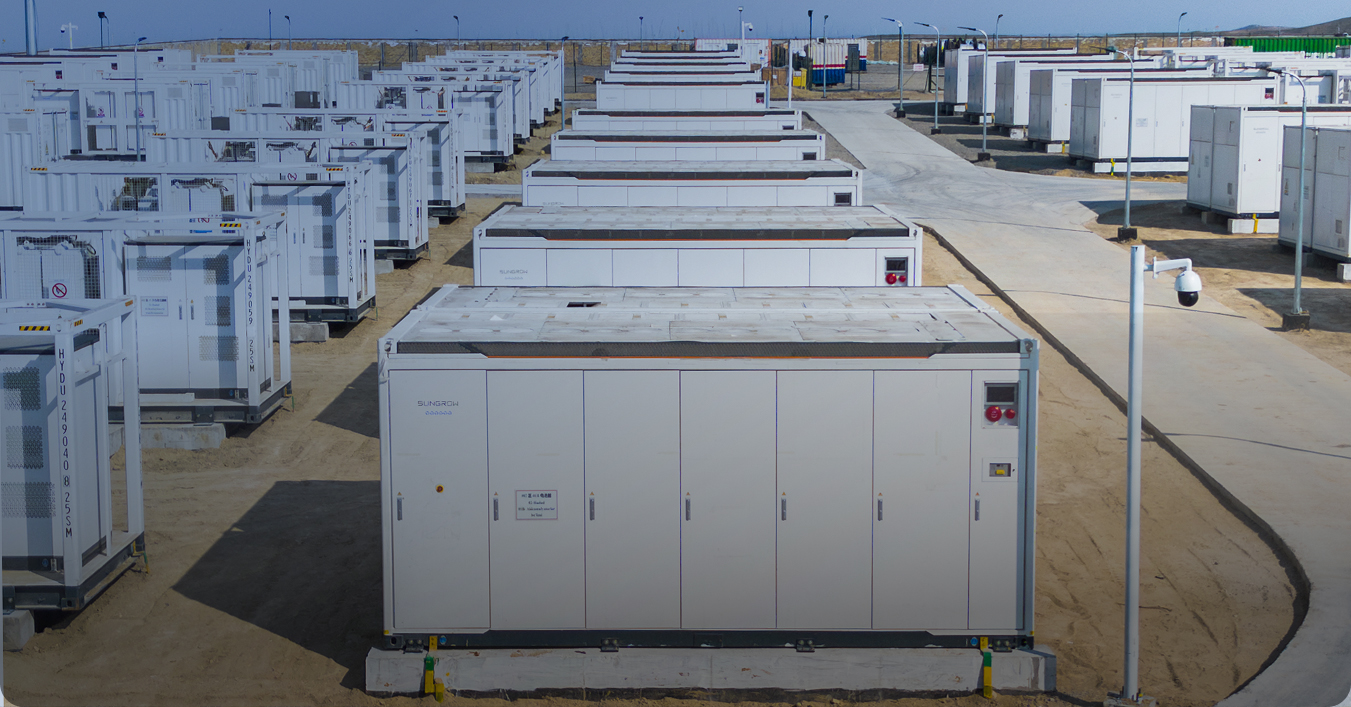
Most teams first point to cycle life or battery chemistry as the villain, but I’ve observed that failure modes are operational: slow ramp controls, insufficient grid services stacking, and maintenance plans that assume perfect uptime. For example, on a project in Southern California in late 2020 we logged a 12% revenue shortfall in the first year because the asset couldn’t simultaneously provide frequency response and peak shaving without manual intervention. That manual step — human latency — is a hidden pain point. Vendors promise turnkey solutions, yet contracts often exclude critical software updates and do not define SoC windows precisely. The result? Suboptimal dispatch, underused capacity, and escalating O&M spend (and yes — political pressure from utilities). This is where procurement and engineering need to meet: clearer specs, better integration of inverter and BMS, and real-world commissioning tests that mimic stressed grid conditions. Read on for a forward-looking take — the next part shows what to change.
What’s Next
From diagnosis to design: a technical roadmap
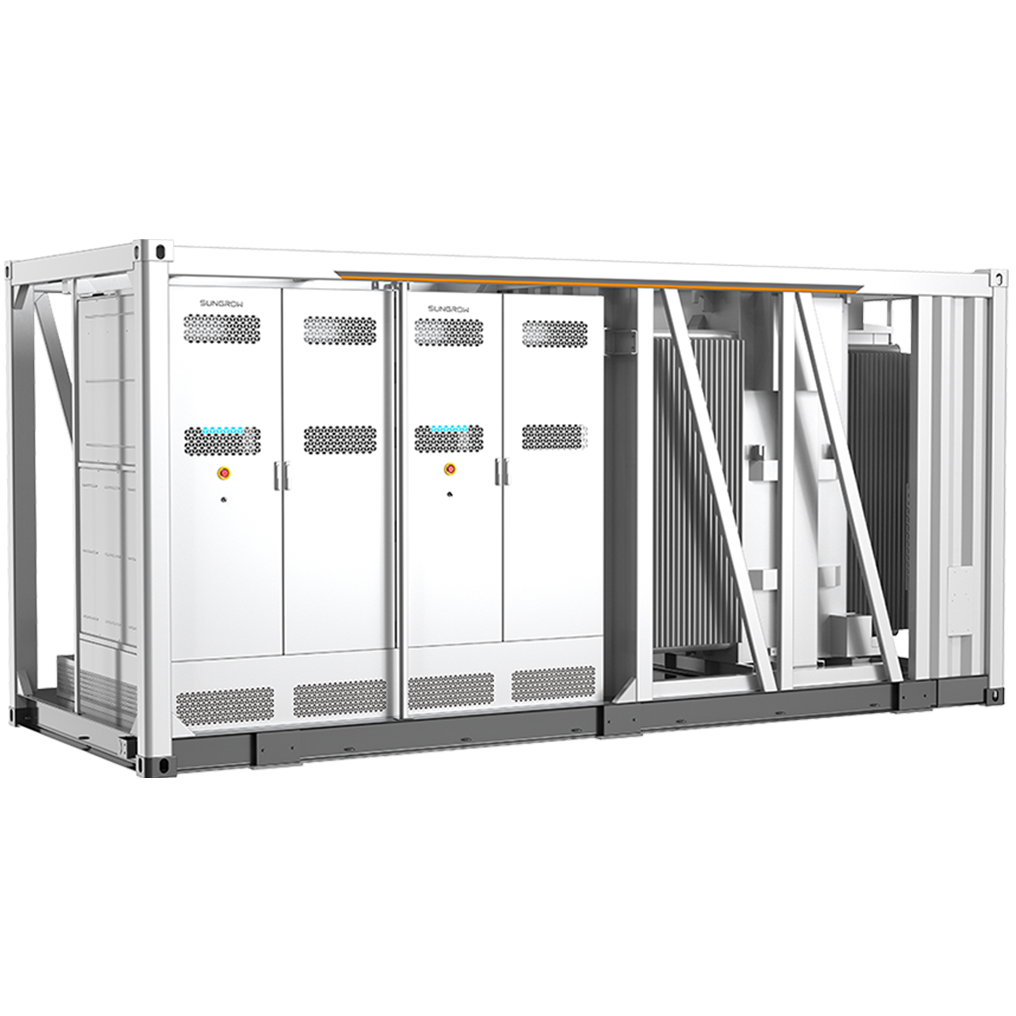
Now I switch gears and get technical. If you’re designing or buying utility scale battery energy storage systems, prioritize three engineered layers: robust control firmware, precise SoC management, and modular inverter architecture that supports grid services. On a 2018 pilot I led near Tucson, tweaking the BMS logic to allow a narrower SoC window and enabling fast frequency response increased available dispatch by 8% during critical hours. That tweak required firmware updates and a new communications profile — small on paper, big in effect. Think in terms of measurable parameters: response latency (ms), usable depth of discharge (DoD), and cycle life projections tied to actual duty cycles. — Quick note: don’t ignore thermal management; it often determines warranty outcomes.
Practical steps and three evaluation metrics
I run projects differently now. We insist on site-specific performance tests, define revenue stacking scenarios up front, and require firmware handover with maintenance SLAs. Here are three metrics I use to evaluate any turnkey offering: 1) Dispatch fidelity — percentage of requested MW delivered within 30 seconds; 2) Net usable energy — real MWh available after SoC and reserve rules; 3) Lifecycle cost per delivered MWh — factoring cycle life and replacement timing. Use these, and you cut through glossy specs to what impacts your bottom line. One more thing — vendor responsiveness matters; slow updates cost days of missed opportunity. I’ve seen it (twice) — and I don’t recommend skipping this check.
We need systems that perform in messy, real grids, not just on paper; that shift will define whether storage truly stabilizes renewables or just adds complexity. For suppliers who want to improve, start with those three metrics and the operational details I’ve shared — they will separate the loud promises from durable solutions. For buyers: ask for real test logs, insist on firmware access, and verify inverter interoperability. I’ll be tracking outcomes — and I expect better results from partners like sungrow.