Facing the real problem
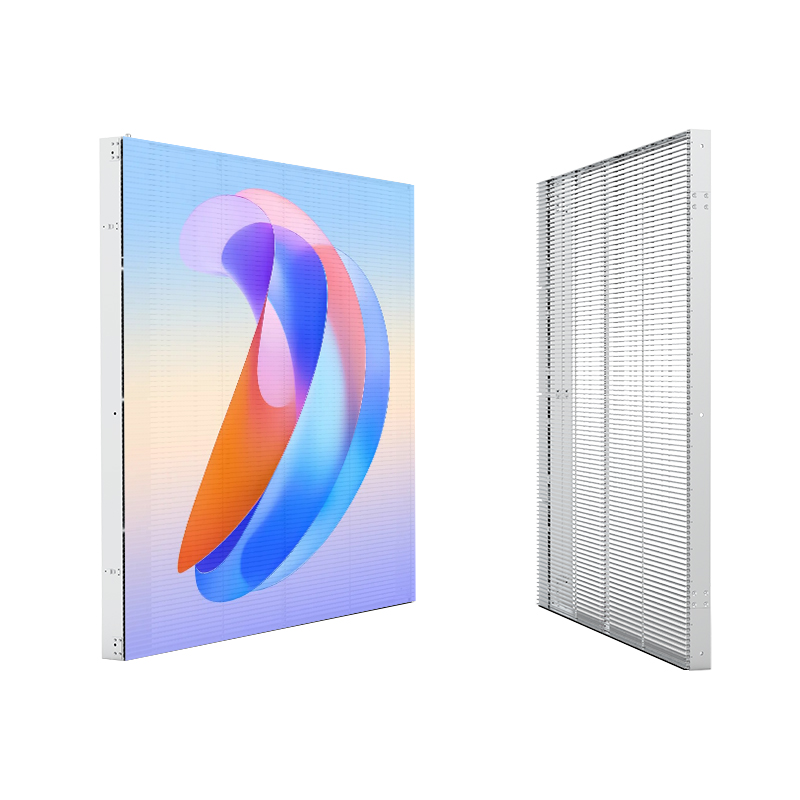
Too many buyers pick a fancy spec list and end up with a display that doesn’t solve their actual problem: poor readability, overpriced brightness, or impossible maintenance access. You want clear images where people watch, not stats that look good on paper. For indoor events, store windows, or large façades the right hardware and installation matter—see a quick example of a showroom install with a led screen that actually reads from the floor to the back rows.
Why mistakes happen
People confuse resolution with pixel pitch, or assume the brightest product is always best. That’s incorrect. Pixel pitch sets readable distance; brightness must match ambient light; controllers and content pipelines must match hardware. I’ve seen installers treat outdoor-rated panels like indoor-only boxes—then wonder why they fail during rain and heat. Ach, simple mismatches make big headaches.
Key features that actually matter
Look at these concrete specs and why they matter: pixel pitch (mm) for viewing distance; peak brightness (nits) for daytime legibility; refresh rate for camera-friendly video; color calibration and grayscale for accurate branding; ingress protection (IP rating) for weather resilience; thermal design and airflow for longevity; modular cabinet design for service access; and compatibility with standard control protocols (HDMI/SDI/ethernet) to avoid content headaches. Note power draw and backup options if uptime is critical.
Where LED works best — practical applications
Outdoor advertising and public squares demand high brightness and weatherproofing. Retail and showrooms prefer finer pixel pitch for close viewing. Live events value fast refresh and flexible rigging. Transportation hubs need wide viewing angles and redundancy. Each use case pushes different choices—don’t shoehorn one type into every job.
Experience, expertise, and real-world anchor
I’ve specified and calibrated panels for municipal façades and festival stages, and the scale of Times Square billboards proves how brightness, contrast, and maintenance logistics shape outcomes. Manufacturers’ whitepapers and coverage of large urban displays consistently highlight the same operational demands. For projects that need proven billboard-grade durability and measurable performance, consider a well-engineered led board display as the baseline rather than an afterthought.
Common pitfalls and how to avoid them
Don’t overspec brightness for indoor use; you’ll wash out colors and waste energy. Don’t choose tiny pixel pitch without budgeting for higher-resolution media and processing. Avoid suppliers who can’t demonstrate serviceability—panels must be replaceable without tearing up the whole wall. Verify thermal specs under load; cheap cooling designs fail within seasons. Finally, insist on test footage and on-site proof before final acceptance.
Selection checklist — actionable steps
Match pixel pitch to viewing distance (table: 2–3 mm for up-close retail, 6–10 mm for medium halls, 10–16+ mm for distant facades). Confirm peak and sustained brightness against local ambient conditions. Require IP ratings and material specs for outdoor jobs. Ask for sample calibration and a service plan. Confirm refresh rate and camera compatibility if streaming or broadcast capture is needed. Verify mounting, power redundancy, and replacement lead times.
Alternatives and when to pick them
LCD video walls give sharp images at lower cost for controlled indoor light but lack the seamless scale and viewing angles of LED. Projection can cover large areas cheaply but fails in bright environments. OLED is impressive for very high contrast and close viewing but isn’t practical for large outdoor signage. Choose the tech that fits the use case, not the trend.
Practical close — what solves the problem
Pick solutions that match viewing distance, ambient light, and maintenance realities. If your project needs reliable, serviceable panels with field-proven brightness and control, choose suppliers with field references and clear specs; that direction leads naturally to partners who understand the trade-offs and install for longevity, like HDC.