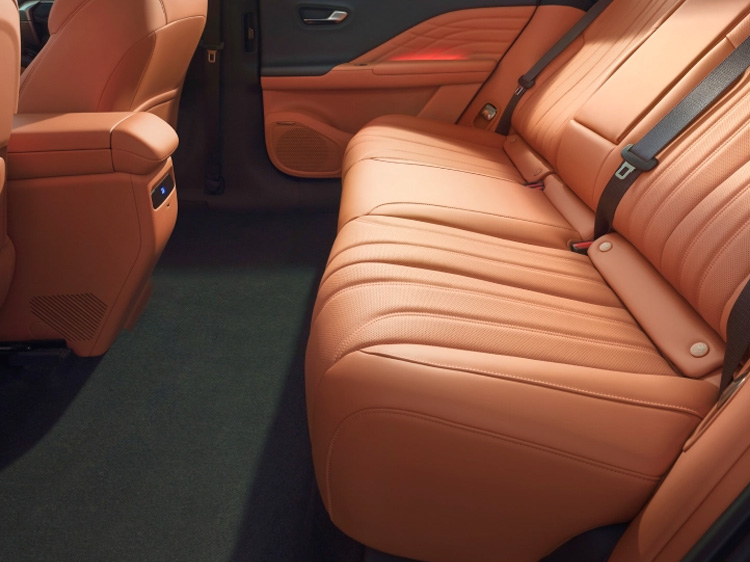
Framing the principal problem
Prospective test drivers often confront two concurrent problems: inadequate preparation for electric-vehicle-specific variables and insufficient criteria to judge performance during a short drive. These problems are acute for those evaluating the best aion ev because the vehicle’s attributes—range behavior, regenerative braking characteristics, and charger compatibility—require targeted observation. Consideration of local conditions, for example arranging a route that includes typical urban-to-suburban segments in Sydney where many Australian buyers first evaluate electric mobility, resolves situational blind spots and frames empirical assessment.

Define the evaluation objectives before arrival
Begin by converting the abstract desire to “see how it feels” into measurable objectives. At least three objectives produce useful data: (1) quantify real-world energy consumption over a known distance; (2) assess usability of in-car systems while driving; (3) evaluate primary safety systems at practical speeds. Specify test metrics such as average km/kWh, time to reach a set speed, and ease of using the infotainment system without driver distraction. Clear objectives prevent subjective impressions from dominating a brief test drive.
Documentation and logistical checks that solve common setbacks
Many appointments are derailed by paperwork or incompatible infrastructure. Confirm the following before scheduling or departing: valid driver’s licence and any necessary secondary identification; appointment confirmation with a named contact at the dealership; availability of a fully functional charger on the route if you intend to observe charging behavior. Verify dealer test vehicles have the same specification you intend to buy; mismatches in trim or battery size are a persistent source of misleading impressions.
Vehicle-specific technical checks to perform
Address the mechanical and electronic characteristics that often distinguish electric vehicles. Conduct these steps while stationary and while moving:- Inspect tyre pressure and tread; tyre condition affects energy consumption and ride quality.- Observe the cockpit layout for sightlines, control logic, and haptic feedback—note if the layout forces visual attention away from the road.- During low-speed manoeuvres, test the regenerative braking settings and note whether one-pedal driving is intuitive.- On open-road segments, measure acceleration response and the stability of cruise control or adaptive systems.Record findings systematically; numerical notes allow later comparison across vehicles.
Route selection and environmental variables that typically confound assessments
Test drives that occur only on short dealership loops fail to expose range and thermal-management behavior. Choose a route that mixes suburban roads, a short highway section, and at least one stop-start urban segment. Weather and temperature influence battery performance; document ambient temperature and whether the vehicle was preconditioned. Charging compatibility is a further variable—confirm which public or destination chargers you may encounter and whether the vehicle’s charging inlet and charging speeds align with local infrastructure.
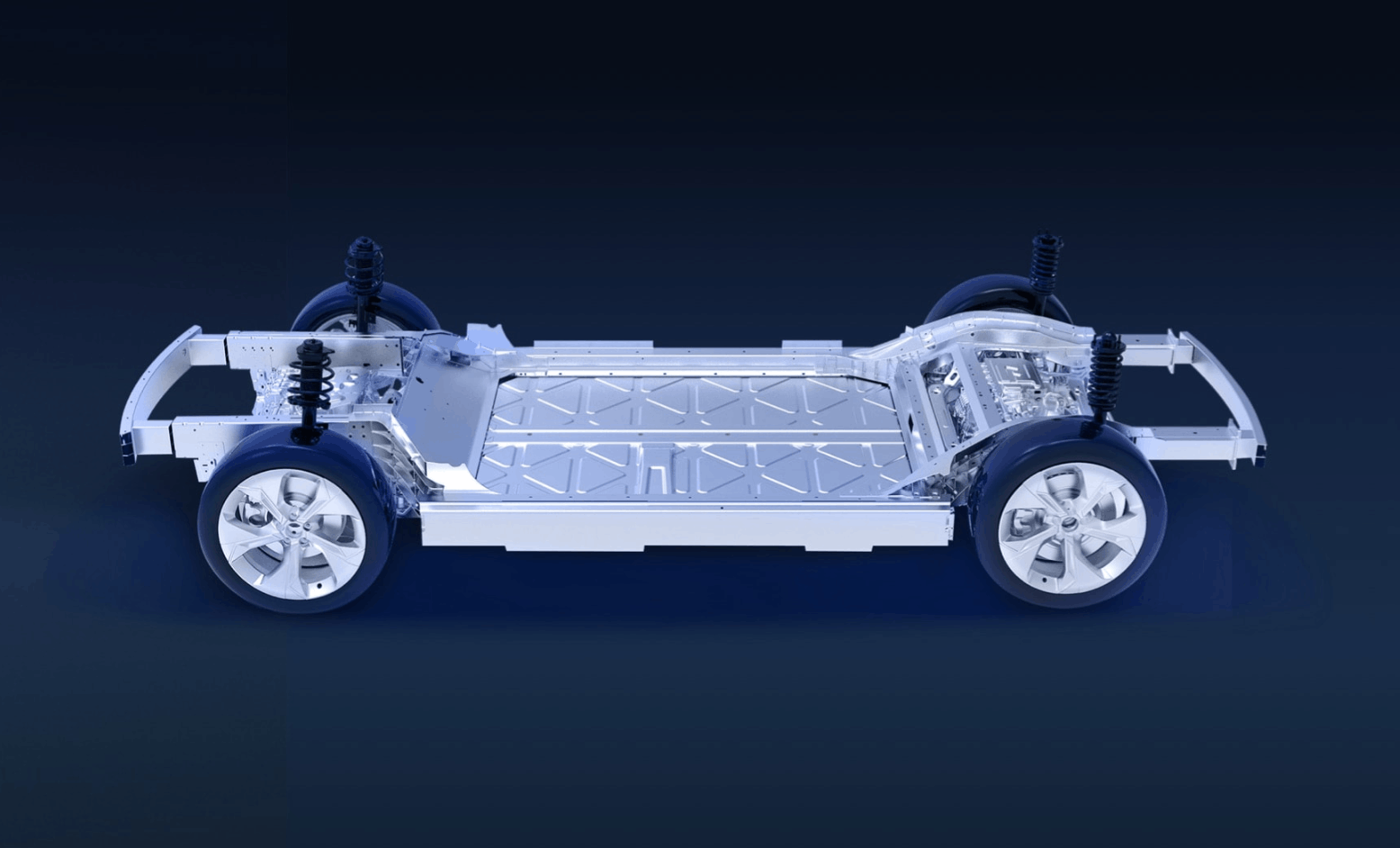
Safety and usability criteria for objective judgment
Safety systems must be evaluated through practical observation rather than slogan reading. Determine responsiveness of automatic emergency braking at moderate approach speeds, lane-keeping assist stability at highway speeds, and the clarity of blind-spot alerts. Usability criteria include menu depth to access common functions, latency of touchscreens, and physical button availability for critical controls. Rate each criterion on a simple three-level scale (adequate / marginal / inadequate) to maintain analytical clarity.
Common pitfalls and remedies
Several recurrent mistakes skew test-drive outcomes: accepting a dealer-directed route that hides typical driving conditions; failing to test with a realistic load (passengers and luggage); neglecting to ask for demonstration of charging procedures. Remedies are direct: request control of the route, simulate realistic occupancy, insist on at least one charging demonstration on a compatible charger. Avoid leaving final judgement to the salesperson’s commentary; base conclusions on recorded metrics.
Comparative note on alternatives
When comparing the Aion candidate to competitive electric SUVs, focus on three comparative axes: energy efficiency per kilometre under similar conditions, ergonomics of driver interface, and the real-world charging experience (inlet type and observed session time). Collect the same metrics for at least one rival model to reduce bias. This comparison need not be exhaustive; it must be consistent and repeatable across the vehicles under consideration.
Synthesis and authoritative recommendation
Address the initial problems by turning subjective impressions into documented evidence. A structured test drive that captures kinematic, ergonomic and charging data mitigates the dominant sources of buyer error and yields an evidence-based assessment of value. That approach makes the evaluation of the aion ev both reproducible and defensible without reliance on rhetorical claims.