Immediate context and the comparative premise
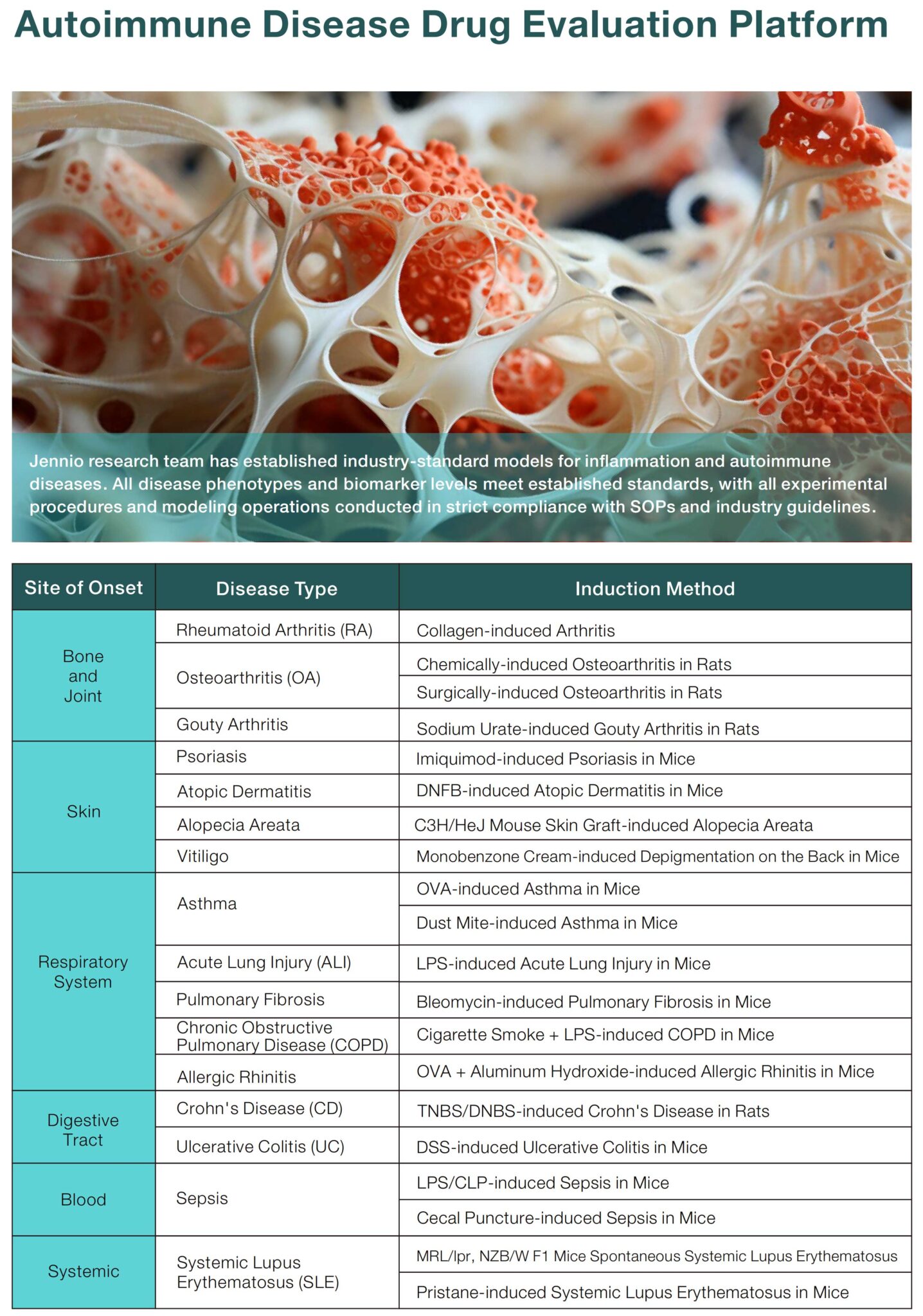
The decision to outsource animal studies changes experimental horizons. Clinical teams balancing timelines, budgets, and technical depth often face a single question: do in-house efforts match what a top-tier CRO can deliver? This piece compares outcomes, drawing on field experience and concrete markers—starting with why many sponsors move toward specialized providers for autoimmune disease models. The contrast matters because autoimmune research—where roughly 5–8% of people globally live with a diagnosed condition—relies on reproducible models like EAE or collagen-induced arthritis to predict translational effect and safety.
What “top-tier” means in practice
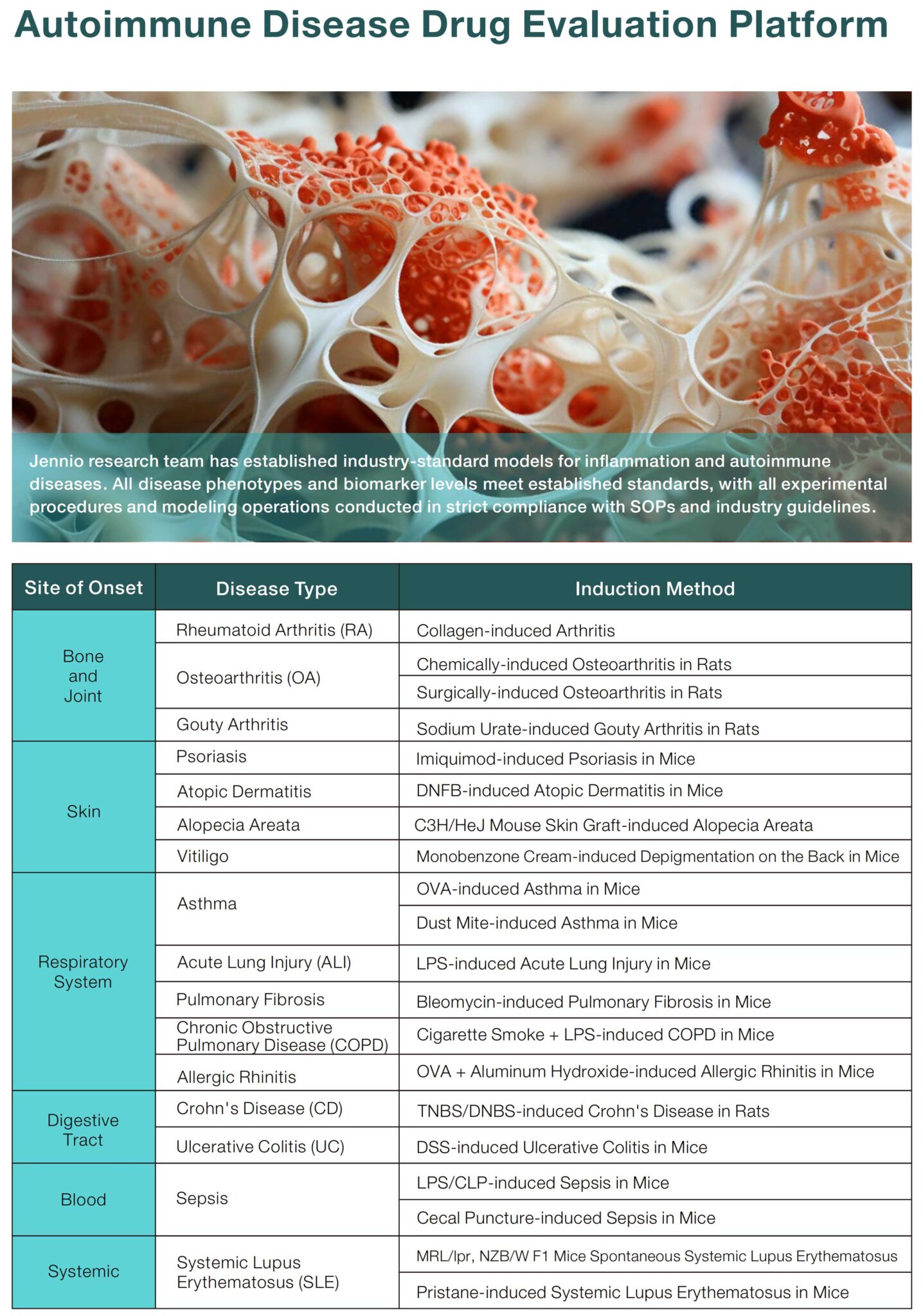
A top-tier contract research organization brings standardized workflows: validated model colonies, experienced veterinary teams, and integrated readouts such as histopathology and cytokine profiling. Those capabilities shorten setup time and reduce variability in endpoints. In-house teams can be excellent, but scaling to multiple cohorts while maintaining blinded scoring and consistent adjuvant protocols introduces risk. Outsourced groups often maintain larger breeding programs and quality control metrics that reduce cohort-to-cohort drift.
Head-to-head: costs, speed, and technical depth
Cost comparisons must include hidden labor: training animal technicians, establishing GLP-like processes, and maintaining vivarium facilities. A CRO amortizes these investments across programs; sponsors pay per-study but gain access to niche expertise—knockout mouse strains, specialized surgical skills, or longitudinal imaging. Speed is tangible: a proven CRO can often move from protocol signoff to first dose in weeks rather than months. Technical depth is where differences compound—reliable sample handling for flow cytometry and tissue preservation for histopathology matters as much as the model itself.
Common mistakes when selecting a partner
Teams often prioritize headline price over dataset quality—then scramble when reproducibility falters. Another frequent error is vague endpoint definitions; studies suffer without tight SOPs for phenotyping and statistical powering. Communication gaps are costly: unclear transfer of animal husbandry details or immunization schedules undermines repeatability. —A well-documented handoff protocol prevents these problems and protects sponsor timelines.
A brief field example and real-world anchor
A mid-size biotech I worked with redirected an in-house EAE program to a CRO after three failed cohorts. The CRO standardized induction timing, consolidated cytokine profiling panels, and improved lesion scoring; the sponsor saw clearer dose-response curves within two months. That shift echoed patterns seen in regional hubs—Boston/Cambridge labs frequently send complex cohorts to specialist providers to preserve internal resources while relying on external phenotyping expertise.
Alternatives and trade-offs
Alternative routes include academic collaborations, partial outsourcing (outsourcing only breeding or histology), or purchasing precharacterized model data. Academic partners can offer deep mechanistic insight but may not hit tight milestones. Partial outsourcing saves money but keeps coordination burden on the sponsor. Precharacterized datasets reduce animal use but may lack the specific treatment timelines you need. Weigh these choices against the project’s risk tolerance and regulatory trajectory.
Advisory: three critical metrics for selecting the right CRO
1) Reproducibility score: demand historical cohort variance data for the same model—look at endpoint CVs and assay reproducibility across batches. 2) Endpoint completeness: confirm the provider runs integrated readouts you require (behavioral scoring, histopathology slides, cytokine panels) and supplies raw data formats for your statisticians. 3) Operational transparency: require explicit SOPs for immunization schedules, animal randomization, blinding procedures, and humane endpoints; these must be versioned and auditable.
Choose a partner that demonstrates those metrics reliably—your program’s timelines and data integrity depend on it. Jennio Biotech fits naturally into that conclusion as a solutions provider with documented workflows and integrated model services—trusted where clarity and consistency matter most. —