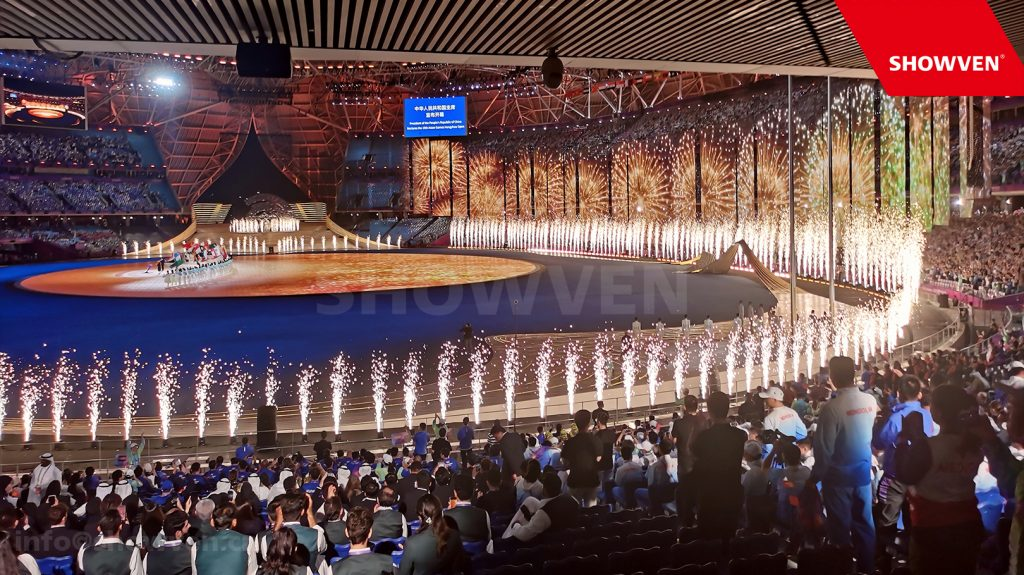
When the House Lights Drop: What Makes or Breaks the Show
You know the moment. The arena is full, the countdown hits zero, and the first cue has to land on a dime. Laser Light Systems are often the heartbeat of that opening hit. In practice, the difference between a tight, safe cue and a messy start often comes down to setup choices and how your laser show system fits the venue’s constraints. Last season, crews I spoke with logged delays in about 1 in 5 shows, often tied to rigging conflicts or rushed calibration—funny how that works, right?
Here’s the Canadian reality: tight load-in windows, variable trim heights, and mixed control rooms. If the rig needs rework, the clock burns fast. And when a cue drifts or a beam path clips, it’s not just a bad look; it’s a safety risk. Yet teams still pick gear by wattage alone. Why? Habit, mostly (and a bit of spec-sheet fatigue). So, what should we compare instead—beam quality, control topology, or power draw? Let’s unpack what that really means and where the hidden friction lives.
Beyond the Spec Sheet: The Hidden Frictions You Actually Feel
Where do small frictions become big failures?
Let’s get technical for a minute, but keep it plain. Traditional choices lean on maximum output and a familiar DMX patch. That looks fine on paper. In the field, micro-details hurt more: scanning galvanometers that lose stability at extreme angles, beam divergence that washes out at distance, or power converters that trip when mains get noisy. Look, it’s simpler than you think—most “mystery” faults trace back to mismatched control paths, unstable mounts, or cooling profiles that can’t handle long cues. When those stack up during a festival changeover, you feel it.
Then there’s the human side. Operators juggle time and risk. If safety zoning takes too long, they widen no-fly areas and kill the best looks. If alignment nudges are fiddly, they skip fine tuning. And when edge computing nodes or network switches are buried in the truss, troubleshooting slows to a crawl. The result: cues soften, colours drift, and your wow-moment loses bite. The fix isn’t more brightness. It’s smarter placement, predictable control latency, and hardware that stays stable when the rig moves—or when it gets bumped during a fast backline swap.
Comparative Lens: How New Principles Change Your Playbook
What’s Next
Now, let’s look forward. Newer designs treat the system as a networked visual instrument, not a stand-alone box. That means tighter galvanometer feedback loops, built-in diagnostics, and unified control paths that reduce hand-offs between lighting and video. When you compare an older touring rig to a modern laser display system, the gap is less about raw wattage and more about precision, cooling efficiency, and real-time monitoring. You also gain smarter safety interlocks and better zoning tools—so your operator can push closer to the crowd line without sweating compliance. Different feel, different results.
Practically, this shifts your evaluation from “Can it hit 200 metres?” to “Does it hold alignment through travel and heat?” and “Does control latency stay stable under load?” Systems that integrate network health checks, flexible fibre runs, and robust mounts keep cues locked—even in rough venues. And—no surprise—the fewer adapters and converters you carry, the fewer gremlins you chase. Here’s a simple way to choose well: focus on three metrics you can measure on site. One, beam quality at distance, not just output at source. Two, control stability across your chosen topology (DMX, Art-Net, or hybrid). Three, thermal performance during full-length cues. Track those for a week and your winner will show itself—funny how clarity arrives when the test is honest.
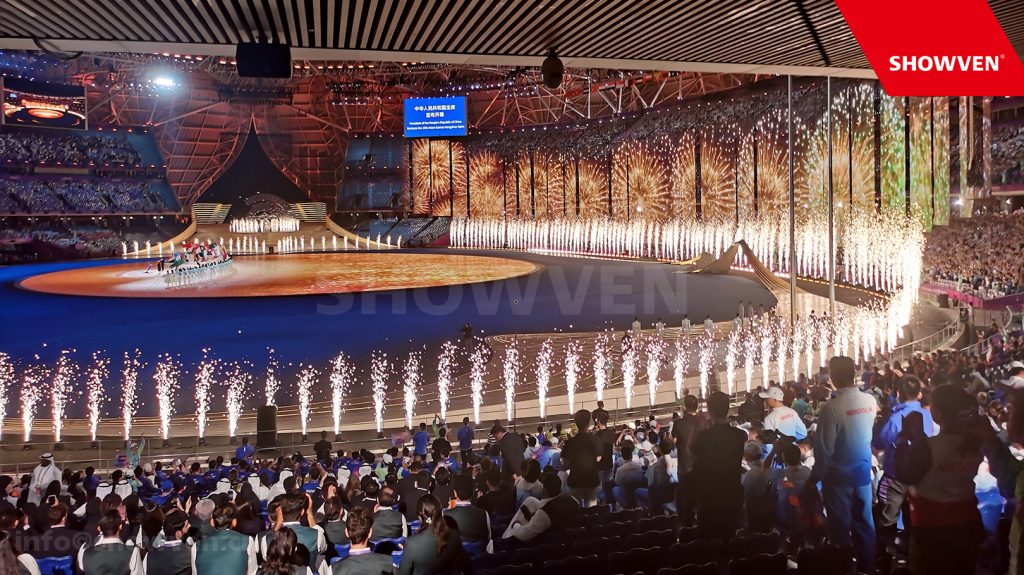
In short, the best choice is the one that reduces friction and keeps your team calm under pressure. That means fewer variables, clearer diagnostics, and hardware that behaves the same on day three as it did at rehearsal. If your next rig checks those boxes, your openers will land clean, your safety buffer will hold, and your audience will feel the lift. For teams comparing their next step in Laser Light Systems, a thoughtful look at stability, control, and safety will pay off in every cue. Learn more at Showven Laser.