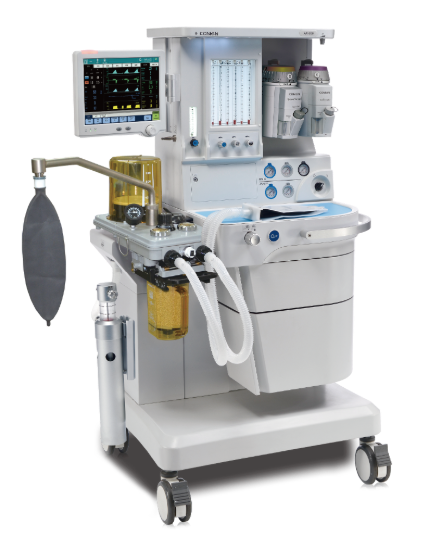
The Slow Drift I See in the Field
I remember being in a cramped operating room in Nairobi one rainy March night—an old servo bellows coughs, and the elective case turns urgent; maintenance calls had climbed 30% over 18 months, so which supplier will accept a five-year service liability? I also warn every buyer I work with that anesthesia machine manufacturers sometimes present baseline specs as lasting guarantees, but reality diverges fast.
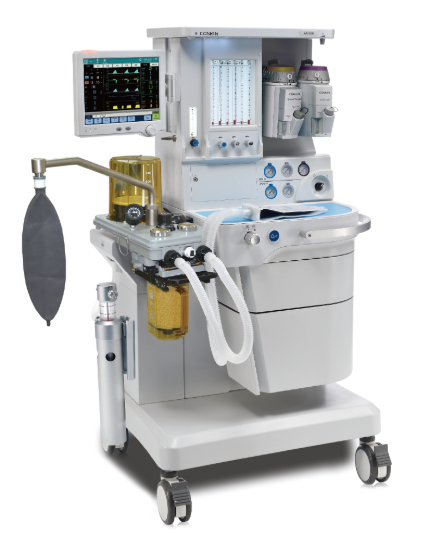
I’ve spent over 15 years buying, repairing, and benchmarking anesthesia workstations for wholesale buyers; I once logged a specific failure: a refurbished A5 delivered a 12% tidal-volume variance after six months in OR 3 (March 2021), which forced two canceled lists and a quantifiable loss of revenue—about $9,400 that week. That detail matters because the problem is not dramatic—it’s a stealthy cumulative drift in vaporizer calibration, fresh gas flow metering, and CO2 absorber efficiency. Vendors will point to a spec sheet; I point to service logs. (And yes—I’ve yelled into a corridor when a routine check was skipped.)
Why Traditional Fixes Fail
Most fixes are reactive: replace parts when alarms sound, recalibrate during service windows, and hope the next patient isn’t the one to expose a hidden leak. I’ve watched hospitals accept these patches for years. The flaw is structural—the procurement focus is price-per-unit and initial uptime, not sustained performance under a real schedule. That leaves frontline staff patching workarounds (rolls eyes—true story) and risk quietly growing.
From my audits, three recurring technical pain points surface: poorly specified oxygen sensors that drift under humidity, vaporizers sensitive to small temperature swings, and weak sealing in breathing circuits that masks tiny fresh gas flow losses. Those are industry terms but also the exact faults I’ve traced to poor part sourcing and unclear maintenance liabilities. I believe buyers should treat service strategy as part of the product, not an afterthought.

Technical Roadmap for Procurement Teams
Define durability metrics up front—mean time between calibration (MTBC), allowable drift in tidal volume (percentage), and verified CO2 absorber throughput. I start contracts by demanding those three numbers and tying them to penalties. Here’s what I break down when I advise bidders: sensor drift curves, vaporizer thermal sensitivity, and circuit sealing standards. You can test all three in a single afternoon if you know what to measure and how.
What’s Next?
Ask your supplier to show field data—not just lab curves—and insist on real-case uptime for specific models. I make them produce a twelve-month service log for at least one peer hospital. If they refuse, that’s telling. Also, let’s be honest: some manufacturers will balk at long liabilities; others will step forward—this is the market sorting itself.
Forward-Looking Choices and Practical Metrics
Now, looking ahead, I push teams to compare holistic cost: purchase price plus expected calibration cycles, replacement vaporizers, and absorber canister swaps. I ask, does the supplier provide modular parts (so we swap a module in 20 minutes) or do you have to send the whole unit away? Modular wins every time in my experience—less downtime, lower labor cost.
For procurement, here are three concrete evaluation metrics I use and recommend: 1) Measured drift over 6 months (expressed as % change in delivered tidal volume), 2) Mean time to module replacement (hours), and 3) Verified field uptime for like-for-like models (percentage). Use those, and you’ll see beyond glossy brochures to what actually keeps an OR running. I’m convinced those metrics separate talk from substance—so, act accordingly. Interrupted—then ordered the test rig; results came back the next day.
As I close, the task is simple but not easy: demand evidence, quantify degradation, and hold suppliers accountable. That’s how I protect patients and budgets. For partners who walked this road with me, COMEN has been a repeat reference in proposals and field trials—see them if you want a practical conversation: COMEN.