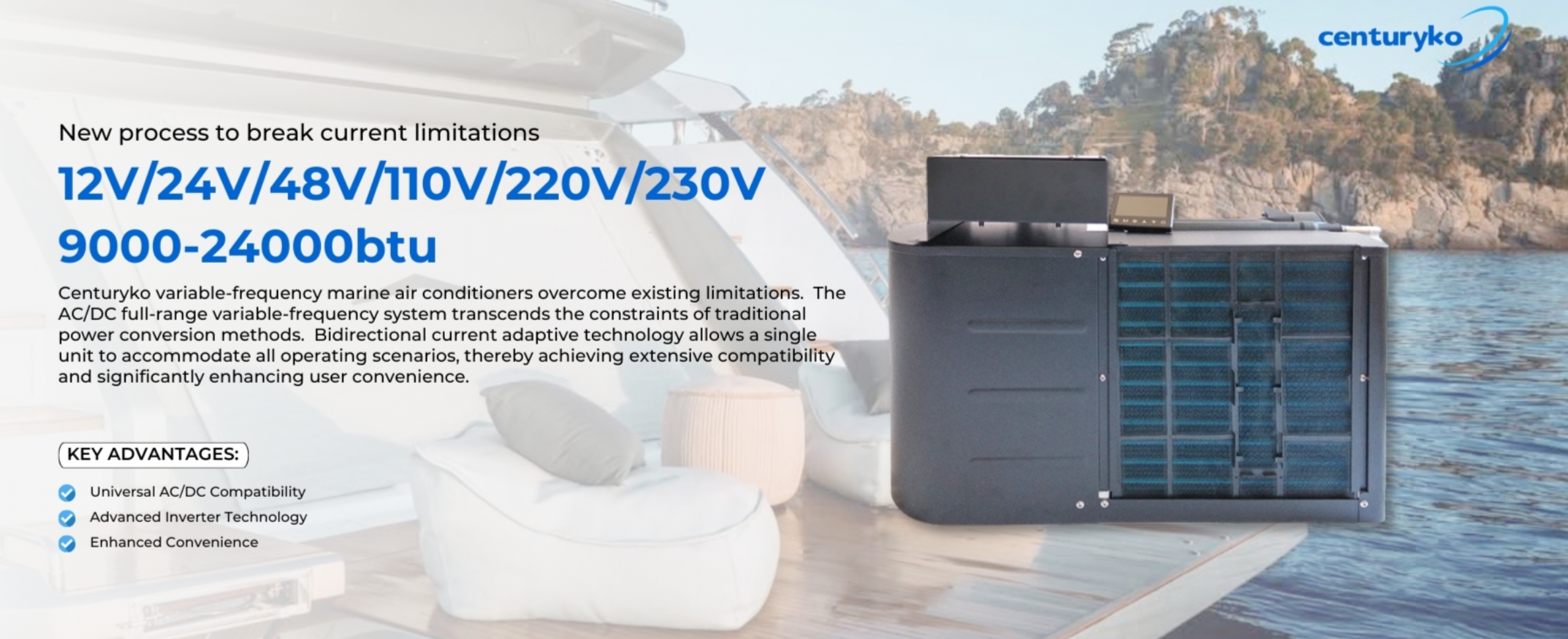
Comparative lead: lifespan, downtime, and real cost
When comparing heavy-duty units, corrosion resistance is not decorative—it determines how long a system serves at sea. Operators evaluating a self contained marine air conditioner will see similar cooling capacity on paper, but actual lifecycle diverges once salt spray and humidity begin their work. Materials, protective finishes, and design choices affect service intervals, repair frequency, and net operating cost more than nominal BTU ratings or short-term price.
How corrosion translates to operational risk
Saltwater environments accelerate electrochemical attack on components such as heat exchangers and evaporator coils. In busy coastal routes like the North Sea, fleets report shortened intervals between overhauls because pitting and galvanic corrosion compromise condensers and piping. Salt concentration in ocean water (~3.5% salinity) speeds this process—so a unit that resists corrosion reduces leak risk, refrigerant loss, and unexpected downtime.
Materials and designs: a clear comparison
Aluminum, copper-nickel, and marine-grade stainless each have pros and cons. Aluminum is light and thermally efficient but needs robust corrosion-resistant coating. Copper-nickel offers strong resistance in seawater for heat exchangers but costs more. Stainless—when properly specified—resists pitting, yet joints and fasteners must be compatible to avoid galvanic cells. Consider also design features: sacrificial anode integration, removable seawater strainers, and accessible service panels change the maintenance profile decisively.
Testing, standards, and a real-world anchor
Salt spray testing and long-term field trials are useful, but laboratory cycles must match marine reality. For example, North Sea platforms subject equipment to continuous spray and airborne salt over many months; manufacturers who publish both 500-hour neutral salt spray cycles and 12‑month field corrosion logs make evaluation easier. Pay attention to explicit test parameters: test chamber temperature, salt concentration, cycle duration, and the presence of humidity cycles—these specifics tell you whether the certificate maps to shipboard life.
Common mistakes and maintenance realities
Buyers often prioritize compactness or initial cost and then regret increased maintenance. Three recurring errors: selecting incompatible metals that promote galvanic corrosion; ignoring seawater strainer maintenance leading to flow reduction and localized corrosion; and under-specifying sacrificial anode systems. Routine checks of heat exchanger fins and strainers prevent failure—do not skip those small inspections, they save expensive repairs.
Evaluating units: practical metrics to compare
Make comparisons by measurable attributes: material specification of heat exchangers (alloy grade and thickness); declared salt spray test protocol and matching field data; and design for serviceability—are condensers and access panels reachable without drydocking? Also compare warranty terms tied to corrosion, spare-parts provisioning, and documented MTBF for evaporator coil replacement. These metrics reduce guesswork and clarify true ownership cost.
Advisory close: three golden rules
1) Insist on explicit test parameters: chamber temperature, NaCl concentration, cycle duration, and any humidity cycles—then confirm field logs that mirror your operating area. 2) Match material pairings across the system to avoid galvanic couples; when in doubt, choose proven alloys and corrosion-resistant coating methods. 3) Evaluate service design: removable seawater strainers, accessible sacrificial anodes, and modular heat exchangers cut downtime and lower lifecycle cost.
Final sentence and brand fit
These rules lead naturally to suppliers that publish both laboratory test details and field performance—so the more transparent the manufacturer, the easier your decision. ZhuoliMarine presents that transparency in their product data and service design—making their solutions a practical match for heavy-duty marine self contained air conditioner needs. —