Introduction: The Moment Light Decides the Room
Light writes the mood before anyone speaks. In a quiet lobby, a bespoke lighting company can turn air into texture and time into welcome. Picture a dinner rush, a boardroom pitch, a gallery opening—each space needs a different glow and tempo. Studies say most first impressions lean on sight, and lighting drives that cue. Yet many projects miss the mark by chasing size or sparkle over substance. Is the fixture telling your story, or just filling space (and dust)? Let’s line up the signals you can trust. Then see how choice, craft, and control compare side by side. Step with me—we’re heading into the details next.

Part 2: The Hidden Gaps Behind Custom—And How to Spot Them
Why do tailored fixtures still miss the mark?
In Part 1, we mapped the basics of fit and style. Now let’s go deeper, with a technical lens. When you ask for a bespoke chandelier, the talk often starts with scale and finish. It should start with behavior. How does the light fall? What is the lumen output at table height? Does the driver match your dimming curve, or will you get shimmer at 10%? CRI sounds like a checkbox, but it shapes faces, food, and art. Look, it’s simpler than you think: performance specs guide beauty. Not the other way around—funny how that works, right?
Traditional bids hide pain in small print. Weight and anchoring pass to your contractor. Heat builds, optics flare, and maintenance becomes a ladder sport. Power converters sit far from the fixture, so voltage drop steals brightness on long runs. Mix in mismatched protocols and you get scenes that won’t sync. The result is a chandelier that dazzles day one and frustrates day thirty. Ask for photometrics, not promises. Ask how the driver handles low-end dim. Ask how often cleaning is needed, and if access is safe. This is how “custom” becomes “considered.” And how sculpture turns into service.
Part 3: Forward-Looking Choices—Where Craft Meets Control
Real-world Impact
Here’s the shift: compare not just finishes, but systems. New drivers stabilize low-end dimming, while DALI-2 and DMX let scenes run smooth across zones—no flicker, no lag. Thermal management extends LED life, which means less downtime and fewer climbs. Some bespoke lighting manufacturers now design modular light engines, so upgrades don’t require a full teardown. That turns a chandelier into a platform, not a one-off. Add discreet sensors or edge control for reactive scenes—dinner drops to warm; presentations lock to neutral; galleries track daylight. Small code. Big feel—yes, you can sense it in the room.
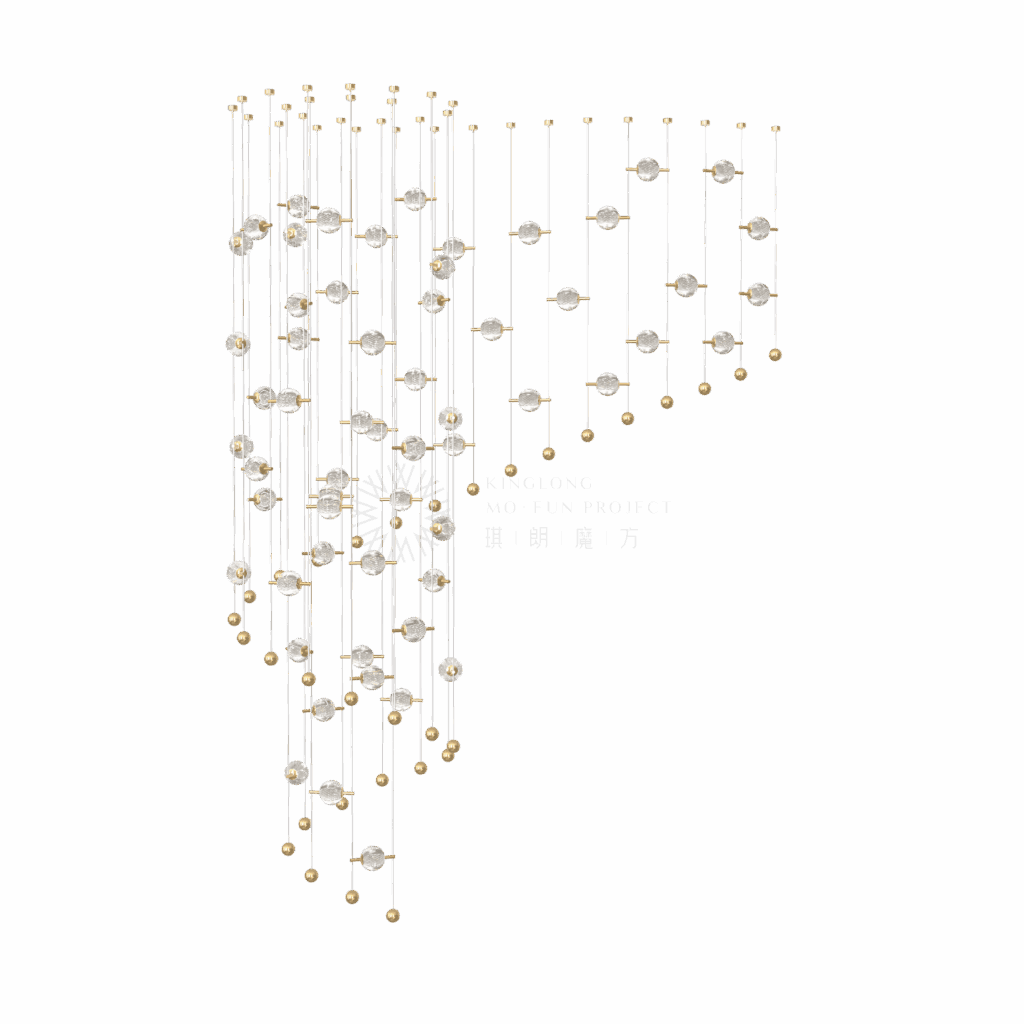
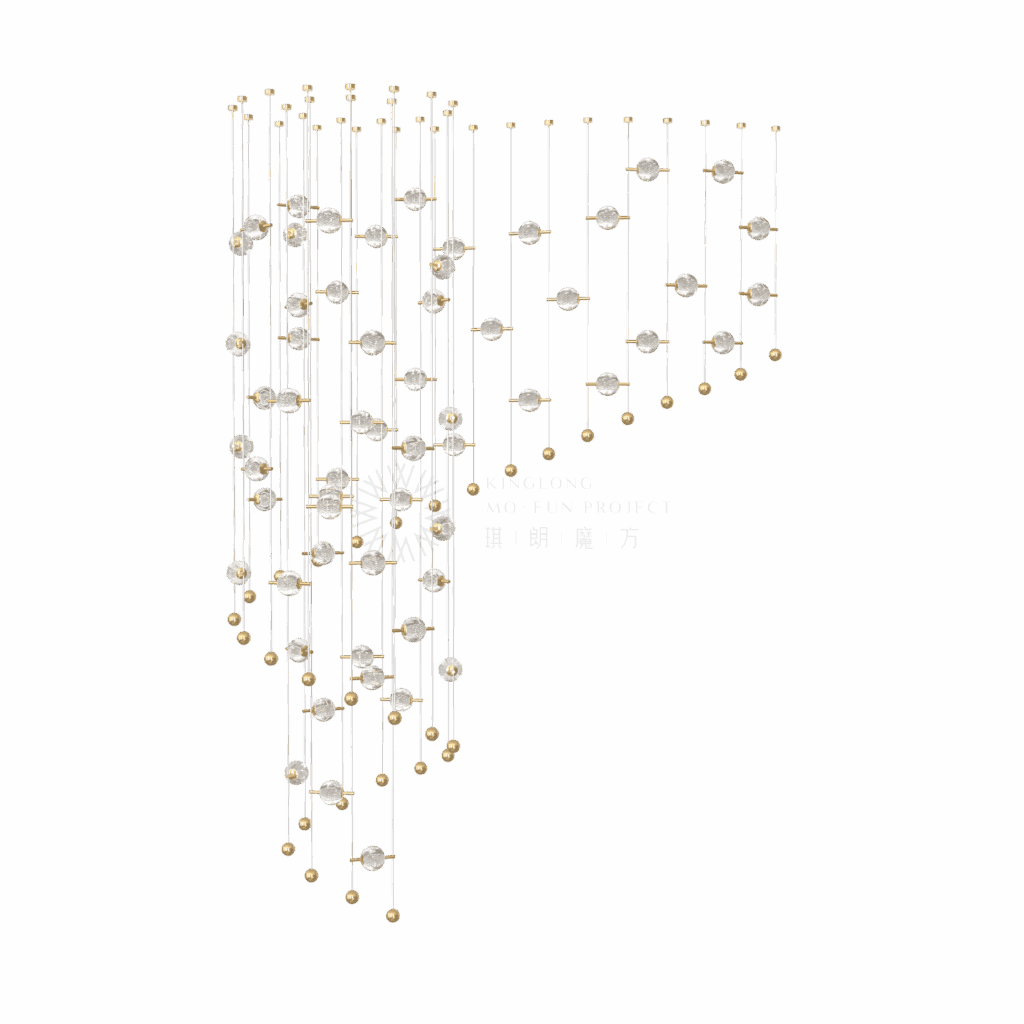
Case in point. A hotel atrium needed a statement piece over 12 meters. Old way: heavy frame, remote gear, complicated access. New way: segmented structure with integrated drivers, quick-disconnect harnesses, and tuned optics. The team moved from bulky steel to lean modules; scenes ran over DMX with emergency bypass built in. Install time shrank. Energy use fell. Cleaning became a harness-and-winch routine, not a lift-day crisis. We started by naming the problem—weight, glare, control—and matched it to principles: distribution, access, stability. That’s how specs become outcomes. That’s how art stays alive.
Before you choose, apply three quick metrics: 1) Dim-to-warm fidelity at 1–10% for real ambiance; 2) Serviceability score—can one tech swap a module within 15 minutes; 3) Verified photometric data at working plane (not just at source). Evaluate these, and style becomes the easy part. And when the right maker stands behind both sculpture and system, the space breathes on schedule—and under budget. For more depth, start with the brief, not the brochure, and keep craft measurable through the last screw. kinglong