Introduction — A Question That Matters
Have you noticed how a single missed setup can slow an entire shop for hours? In many shop-floor scenarios I visit, one machine idle ripples through the schedule and morale (you know the one). CNC turn mill center manufacturers are telling me the same: pressure to deliver faster, with fewer skilled operators, and at tighter margins. Recent surveys and shop audits I’ve taken part in show up to 20–30% of productive time lost to changeovers and unplanned maintenance — a stubborn, expensive leak. So I ask: what realistically fixes this, and where should makers invest now to avoid repeating the same mistakes? This piece will walk through the problem, peel back hidden pain points, and point toward technology choices that actually move the needle — then we will weigh how to judge vendors and tools moving forward. Read on for hands-on insight and practical criteria to test on your next factory visit.

Part 1 — Why Current Fixes Often Miss the Mark
I want to be frank: many shops patch problems rather than solving them. When I first studied a classic turn mill center installation, the symptoms were familiar — slow tool changes, chatter at higher spindle speeds, and unpredictable coolant behaviour. The usual fixes—stiffer fixtures, extra clamp points, or faster tool turrets—help a little but seldom address root causes. In my view, three technical gaps keep recurring: poor integration between motion control and spindle management, inadequate diagnostics for servo motors and bearings, and a lack of real-time feedback from the cutting zone (yes, cutting fluid management matters). Look, it’s simpler than you think: unless the machine’s control system reads actual cutting forces and adapts feed rates, you’ll keep chasing scrap, not solving scrap.
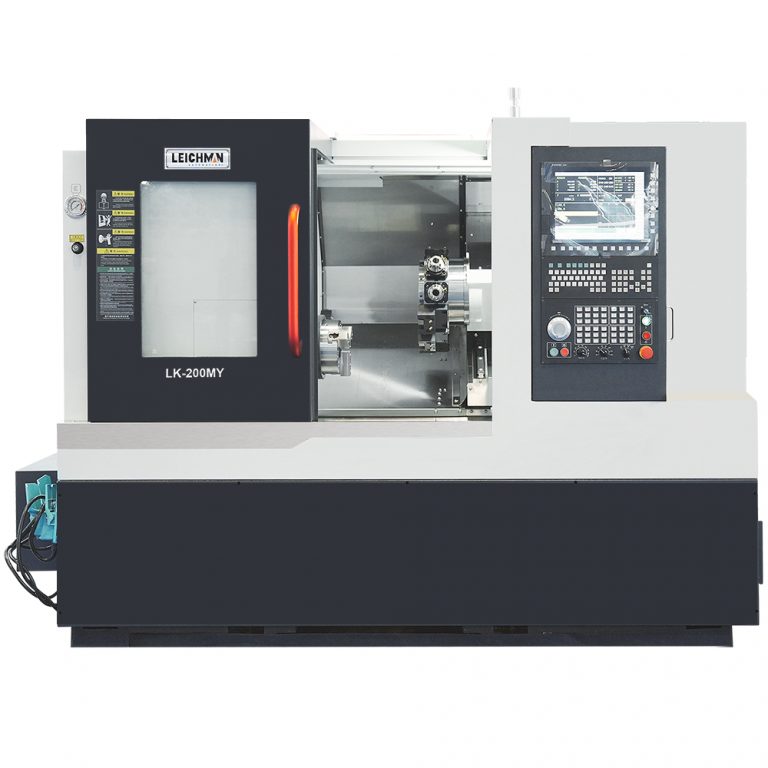
Why do these traditional fixes fail?
Because they treat symptoms, not systems. Engineers focus on torque curves and spindle speed charts, while operators face daily realities — tool life that varies from batch to batch, G-code that needs manual tweaking, and fixtures that demand specialist setup. That gap costs hours and increases scrap. I have seen setups where the torque limit in the CNC control was never tuned (— funny how that works, right?), and the machine would trip under load even though the cutter was fine. In short: mechanical tweaks without control and sensor upgrades only stretch the problem further.
Part 2 — Principles for a Better, Future-Proof Approach
Let’s move from diagnosis to design. I advocate for principles, not buzzwords. First, use adaptive control loops that marry spindle behavior and feed rate adjustments: when the system senses rising cutting force, it reduces feed fractionally rather than stopping the job. Second, fit machines with basic but smart sensors — spindle vibration sensors, temperature probes on bearings, and flow meters for coolant — and tie them to the CNC control and the HMI. Third, standardise tool libraries and G-code templates to reduce operator decisions and errors. These steps do not require radical rebuilds; they often require firmware updates, modest sensors and a short training push. The result: fewer emergency stops, longer tool life, and more predictable cycle times.
What’s the technology that makes this work?
Edge computing nodes that preprocess sensor data exist today and can sit alongside the CNC control to provide low-latency adjustment (power converters and local I/O make the integration clean). Add condition-based alerts for bearings and servo motors so you replace parts on condition, not on a fixed schedule. I’ve overseen retrofits where a simple vibration threshold cut unplanned downtime by nearly half. Practical, not theatrical. There’s no magic — only measurement and feedback.
Part 3 — New Technology Principles and How to Choose Them
Looking ahead, I expect sensible automation to win over flashy gimmicks. For makers of the cnc lathe mill, that means prioritising systems that offer closed-loop process control, open but secure machine interfaces, and vendor support that helps you tune settings for real parts, not test coupons. Start by asking vendors how they handle adaptive feed, what diagnostics they expose (vibration spectra, spindle load trends), and whether their tool turret indexing time is deterministic under load. I prefer systems that let me see raw signals — spindle current, torque, and vibration — because those tell the honest story about wear and stability. Short sentence. Long sentence — they complement each other.
What’s Next: implement small pilots. Choose one line, fit sensors, tie data to the control, and run for a month. Measure cycle time variance, scrap rate, and unplanned stops. Then compare. This comparative approach gives you measured results instead of marketing claims. I recommend three evaluation metrics when choosing a solution: 1) measurable reduction in cycle-time variance; 2) drop in unplanned downtime hours; 3) clarity of diagnostic data (can your team interpret it in a day?). These are practical, measurable, and—they force vendors to prove value. — funny how that works, right?
In closing, I believe manufacturers must be pragmatic and patient. Invest where measurement meets control, and demand data you can act upon. We want machines that behave predictably, tools that last longer, and operators who spend time making decisions, not firefighting. For credible hardware and support, I’ve found that choosing partners who combine practical machine design with real-world service makes the difference. For more detailed product options and support, consider checking Leichman — they offer sensible choices for turn mill workflows without the needless complexity.