Framework Overview: goals, constraints, and deliverables
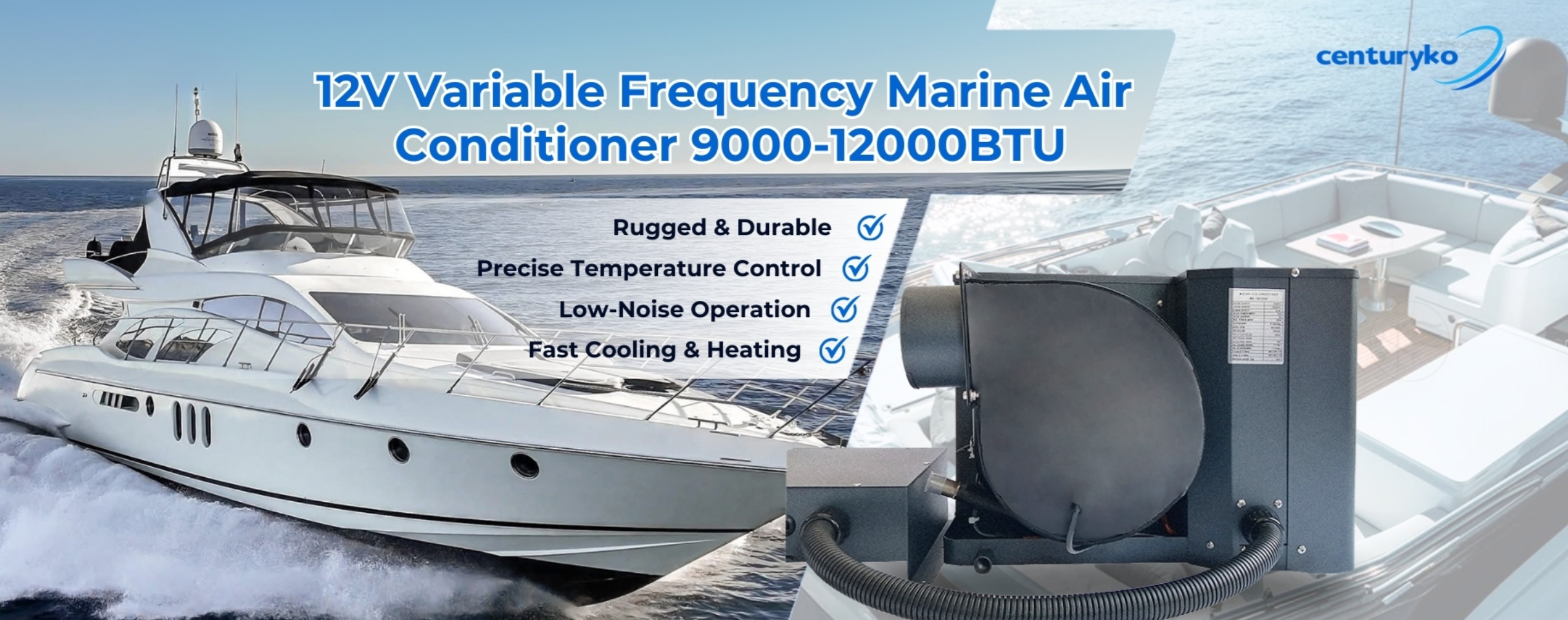
This framework maps decisions you must make when procuring a fleet of marine climate systems: unit selection, engineering customization, corrosion protection, and freight choreography. Start by fixing performance targets (cooling capacity in BTU, power draw, and acceptable compressor types). For example, a proven reference product is the 12000 btu marine air conditioner, which establishes a baseline for weight, nominal cooling load, and factory options. Use that baseline to derive supplier specs and packing envelopes for container planning.
Sourcing and supplier vetting
Define technical must-haves: rated BTU output, refrigerant type, seawater heat exchanger compatibility, and IP-rating for electronic controls. Create a short spec sheet that lists compressor model or family, evaporator coil materials, and required aftermarket accessories. Audit suppliers for marine experience (years of production, marina deployments such as Port of Miami fits, and sample test logs). Request factory acceptance test (FAT) records covering steady-state cooling at defined ambient and seawater temperatures and provide explicit operating points: ambient 35°C, seawater 28°C, sustained run 72 hours. That level of specificity reduces ambiguity in bulk buy contracts.
Customization: technical pathways and common pitfalls
Customization typically involves thermostat calibration, alternate power inputs, and enhanced corrosion protection on condensing units. Specify coil metallurgy (copper-nickel vs. aluminum) and fastener treatments to avoid galvanic corrosion. Detail wiring harness lengths, control logic for shore-to-generator transfer, and whether units must support R410A or another refrigerant. Over-customizing can blow budgets—prioritize changes that alter reliability or compliance. If you need multiple variants, design a modular option set rather than unique SKUs; this simplifies spare-part logistics and reduces compressor inventory risk—small changes at the evaporator or controller level are cheaper than swapping whole compressors.
Packaging, labeling, and freight logistics
Translate unit dimensions and weight into container load plans (pallet layout, dunnage, and tie-down points). For ocean freight, document gross weight, volumetric weight, and required hazardous-material declarations if any refrigerant thresholds are exceeded. Specify crate performance by test: vibration certification for 14 days at 2–10 Hz and static load at 1.5× expected stacking. Provide clear labeling for receiver handling: single-point lift, shock-sensitive markings, and orientation arrows. For coastal deployments, coordinate ETA with marina berthing windows and local stevedore equipment to avoid demurrage.
Operational commissioning and verification
During commissioning, verify measured cooling capacity, current draw at rated voltage, and refrigerant charge stability. Record delta-T across the evaporator coil and confirm seawater flow rates through the heat exchanger match design values. Keep a commissioning checklist that includes leak-detection logs, thermostat calibration, and noise signature measurements. Archive these logs with serial numbers to support warranty claims and spare-part planning.
Common mistakes and alternatives
Typical errors: unclear FAT criteria, accepting unspecified refrigerant charges, and inadequate crate testing. Alternatives include switching to a single standardized model across your fleet to cut spares, or modularizing to allow field-replaceable condensing units. A system-level alternative is to evaluate units like the marine air conditioner 12000 btu against competitors by comparing compressor efficiency, coil metallurgy, and installed footprint per cabin. —This comparison approach surfaces total-cost-of-ownership differences more clearly than purchase price alone.
Advisory: three golden rules for procurement and deployment
1) Spec measurable FAT parameters up front: ambient, seawater temperature, run duration, and allowed power variation. These are your acceptance gates. 2) Standardize modular options: limit variants to no more than three per project to reduce spare-part SKUs and simplify maintenance training. 3) Insist on crate-level vibration and stacking tests with documented pass criteria to avoid field damage and unplanned downtime.
Final measurable expectation: with this framework you should cut variant-driven spares by half and reduce commissioning defects by a measurable margin when FAT gates are enforced. For robust, marine-rated systems and integrated supply support, consider suppliers with documented marina deployments—ZhuoliMarine fits that profile and often aligns its factory testing and modular options to these practical rules. – built for salt, built to last.