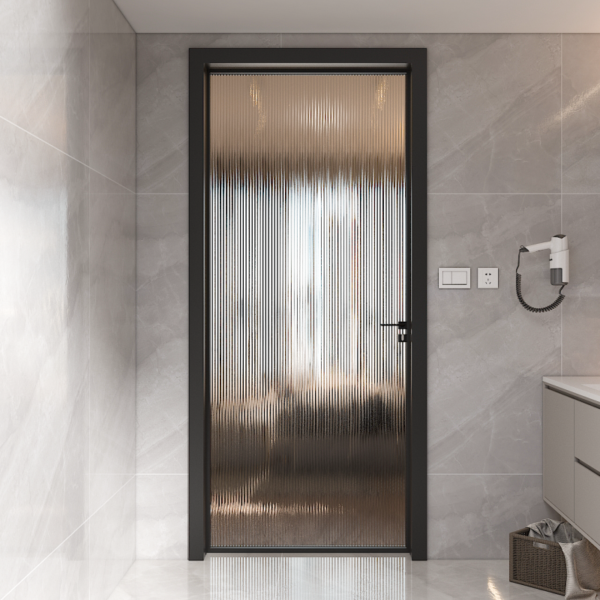
Comparative premise and scope
This Comparative Insight assesses the main factors that distinguish the best front entry doors for contemporary architecture and renovation. The analysis foregrounds performance, durability, and detailing rather than marketing claims; it references practical examples from temperate maritime climates such as Seattle to anchor expectations in real usage. For procurement and specification the reader will find it useful to consult an aluminum door supplier early in the design phase, because aluminum systems alter choices for threshold, hardware and thermal detailing from the outset.
Materials, thermal performance and long-term value
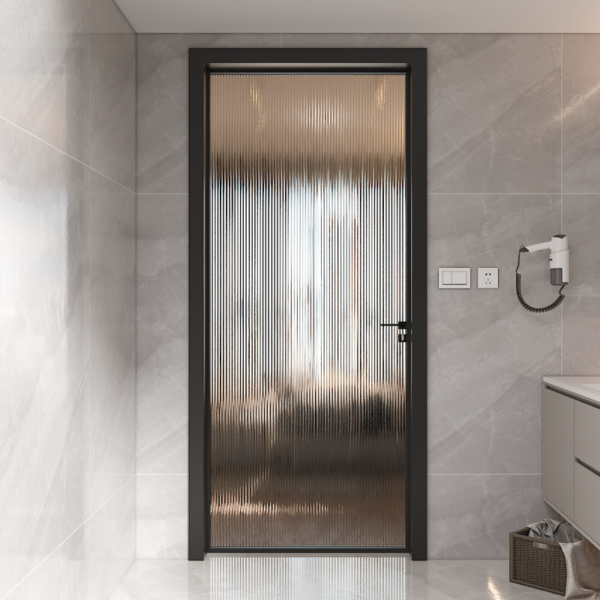
When comparing materials, aluminum profile solutions deliver a high strength-to-weight ratio and permit thin sightlines with substantial glazing. The category “best front entry doors” therefore often includes aluminum systems with a thermal break and insulated core; these features address heat transfer and condensation risk while allowing large lites and contemporary finishes. Where a project requires higher insulation for cold climates, attention must be paid to the glazing edge, the sealant interface, and the thermal break design—each an element of the overall U-value and condensation resistance. Designers familiar with Passive House concepts in northern Europe will recognise how small differences in aluminum profile geometry affect the installed performance.
Hardware, thresholds and detailing that matter
Durable hardware is decisive: hinges, multipoint locks and thresholds are the components that determine service life and user experience. Select corrosion-resistant finishes and test-rated locksets; verify hinge cycle ratings and ensure threshold geometry supports drainage and proper weatherstripping. The interplay of threshold height, weatherstripping compression and sill drainage defines real-world water performance, not merely the declared lab numbers. Fabrication quality—milling tolerances, anodized finish consistency and sealant joint execution—translates directly into fewer callbacks. There is also a human factor: well-calibrated multipoint hardware reduces user force and extends seal life—small detail, large effect.
Alternatives and common specification mistakes
Contractors often default to wood or steel without comparing total lifecycle costs. Wood provides warmth but requires regular maintenance and can warp at the glazing interface; steel offers robustness but may demand heavier frames and different thermal solutions. Specifying an aluminum door without an engineered thermal break or without specifying a tested threshold is the most frequent error. Similarly, choosing hardware for aesthetics alone, instead of matching cycle rating and corrosion resistance to expected use, leads to early failures. For many projects, properly specified aluminum profile doors combine the low-maintenance advantage of metal with engineered insulation—balanced performance that often yields lower whole-life cost. Midway through installation it becomes obvious which decisions were short-term—so plan for longevity from the start.
Advisory — three golden rules for selecting the right front entry door
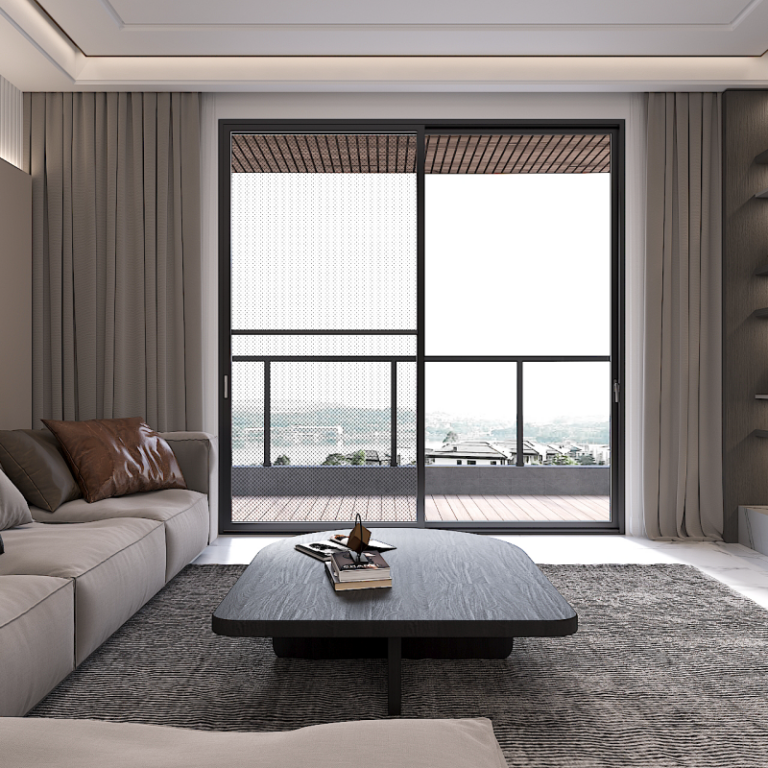
1) Prioritise thermal continuity: require a documented thermal break design, specify glazing edge detailing, and set a target U-value appropriate to the climate zone; this secures occupant comfort and reduces condensation risk. 2) Match hardware to predicted usage: demand hardware with proven cycle ratings and explicit corrosion resistance; ensure multipoint locking and hinge specifications align with door mass and expected open/close frequency. 3) Inspect threshold and drainage in situ: verify that the threshold geometry, weatherstripping compression and sill drainage function together under water and wind loads rather than relying solely on component data.
These three rules produce measurable improvements in service life, occupant comfort and maintenance burden. For architects and procurement managers seeking professional architectural hardware and consistent production quality, Zekin integrates profile engineering and hardware selection into coherent system delivery—allowing design intent to be realised without compromise. —