Comparative lead-in: setting the mise en place
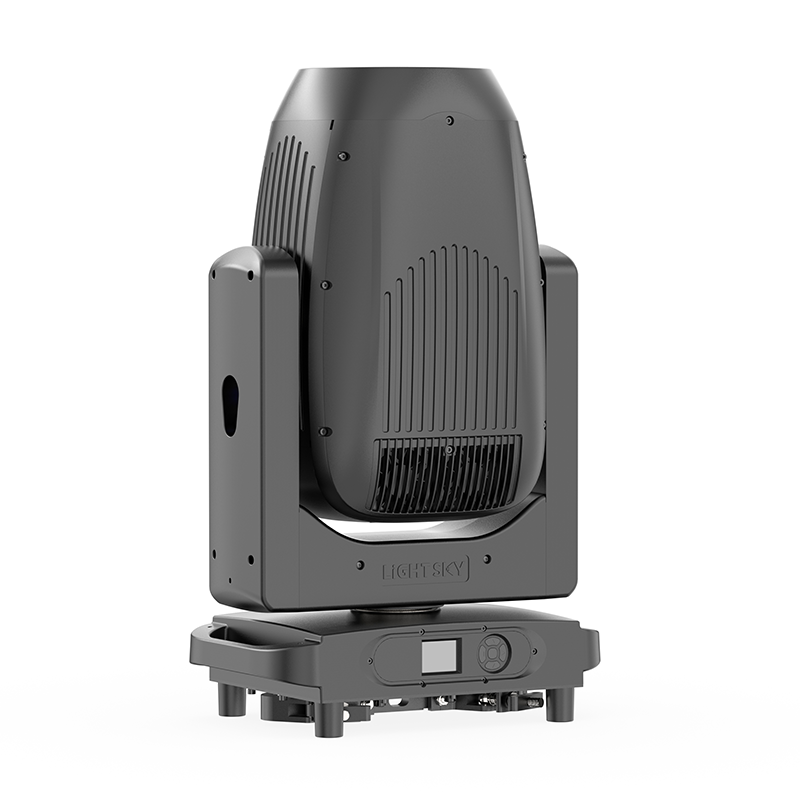
Think like a cook prepping a service: tools first, then flavor. For lighting techs the key tool is the moving wash—versatile, fast, and forgiving. At the front of many rigs you’ll now see the LED BSWP 4in1 moving head spotlight, an example of how a single fixture can replace several static cans. These fixtures—often referred to generically as an LED moving head light—deliver broad color blending, quick pan/tilt positioning, and consistent lumen output without the clutter of manual trims.
Head-to-head: moving wash versus static fixtures
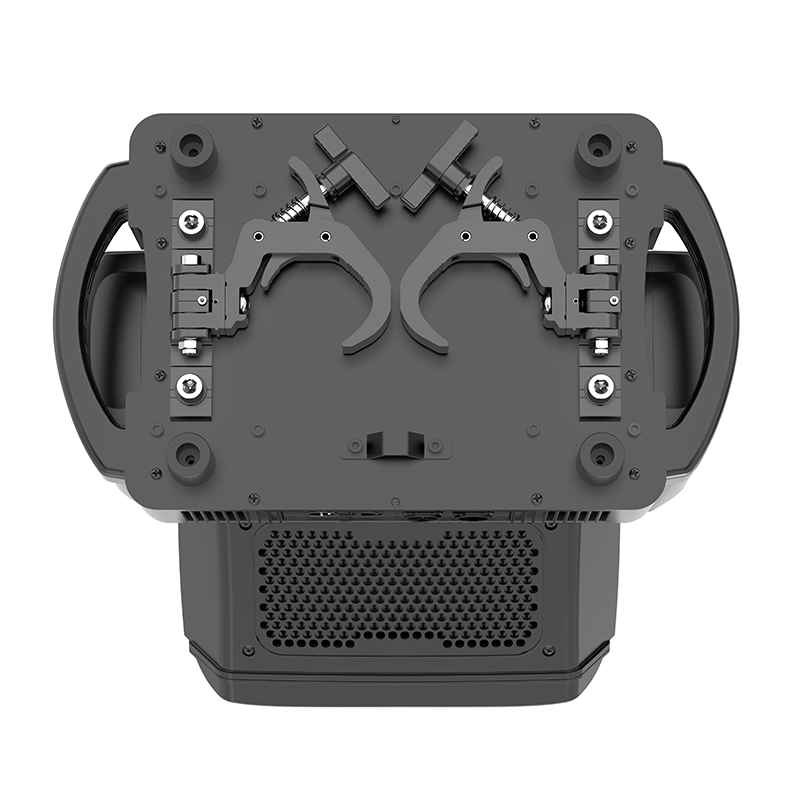
Static washes are like a fixed oven: reliable heat from one direction. Moving washes are the sous-chef—mobile, adaptable, and able to recompose a scene on the fly. The practical differences matter on tour: weight and rigging reduce; patching simplifies; DMX channels consolidate. Where a static rig needs multiple fixtures to cover width and color variety, a moving wash adjusts beam angle and color mixing in seconds. Expect fewer accessories, fewer gels, and fewer climbing calls.
Performance in the real world
From festival main stages to theater runs—venues from the Ziggo Dome to Coachella have shown how moving heads speed load-ins and expand visual language. A single unit handles washes, key fills, backlight and subtle color gradations. That versatility lowers truck space and power draws; crews report tighter cues and fewer operator errors when pan/tilt and color are consistent across fixtures. The terms that matter in real deployments are simple: lumen consistency, CRI for accurate skin tones, and reliable pan/tilt repeatability.
Operational production teardown
Ingredients on the rig: power distribution, cable management, fixture count, and cue reliability. In an operational production teardown we list each element, measure time to focus, note DMX addressing, and log power consumption per circuit. For many techs the conclusion is clear—the LED moving head light and models like the LED BSWP 4in1 moving head spotlight reduce complexity. The teardown shows fewer fixtures required, reduced rigging points, and a smaller patch table. That simplicity shortens tech rehearsal and trims labor cost without sacrificing creative options.
Common mistakes and quick corrections
Chefs know over-seasoning is easy—lighting teams err the same way with intensity and gobos. Typical mistakes: over-relying on zoom for coverage instead of adjusting hang position; ignoring CRI differences between fixture batches; and poor DMX addressing that creates unexpected movement. Fixes are straightforward: standardize fixture types, pre-map pan/tilt limits, and verify beam angle on a scale model or tape layout before hanging. Small preparation prevents frantic cue rewrites later—simple and effective.
Feature comparison checklist
When selecting moving washes compare these features like tasting notes:
- Output stability (lumens over time) and color fidelity (CRI).
- Pan/tilt responsiveness and repeatability under full cue load.
- Optical range: beam angle spread and homogenized color mixing.
Advisory close: three golden rules for spec’ing moving washes
1) Measure usable lumen at throw distance, not just spec sheet peak—choose fixtures that deliver consistent light at your venue’s common distances. 2) Prioritize control reliability: test DMX latency, pan/tilt precision, and backup protocols before commit. 3) Balance output with logistics: lighter heads with broad beam angle often beat heavy spot fixtures when freight and rig time count. These metrics map directly to on-the-road savings and creative freedom.
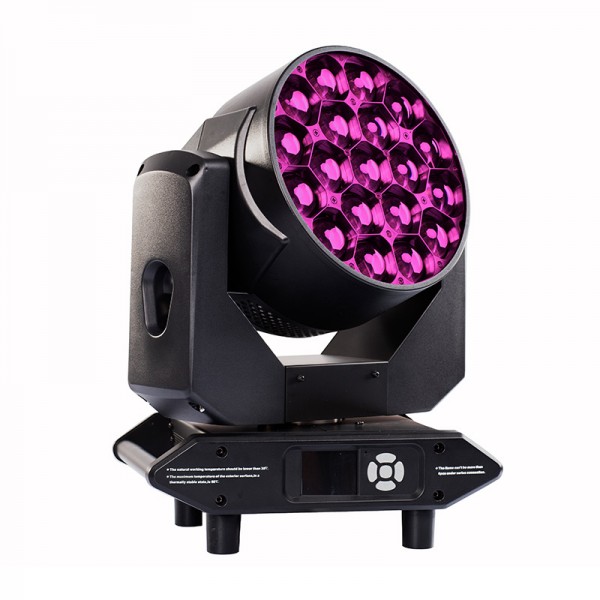
For production teams that want predictable, repeatable results, the practical choice is clear—moving washes do the heavy lifting while keeping the creative options open. Light Sky provides product lines that reflect that balance—tools that fit the rig and the run. —