User-first perspective
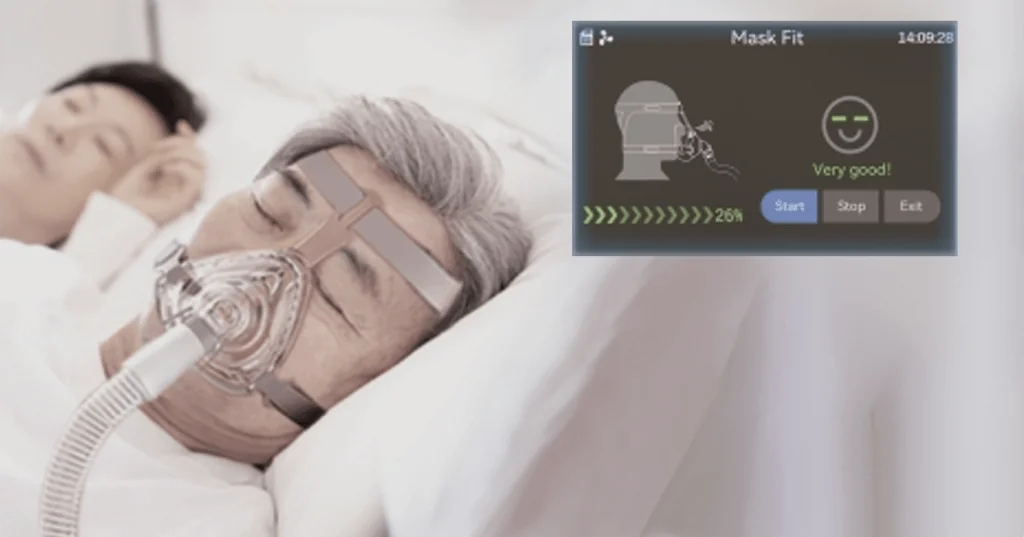
Living with obstructive sleep apnea reshapes daily routines slowly—mornings, energy, even mood. Start by thinking about what makes therapy tolerable: comfort, quiet performance, and reliable pressure control. If you’ve tried a basic cpap device and found it harsh or noisy, a BiPAP with better mask interface and adaptive features can change adherence and sleep quality. These choices matter because recent high-level estimates suggest nearly a billion adults worldwide show signs of OSA, a reminder that device selection has population-level consequences.
Key user needs that should drive selection
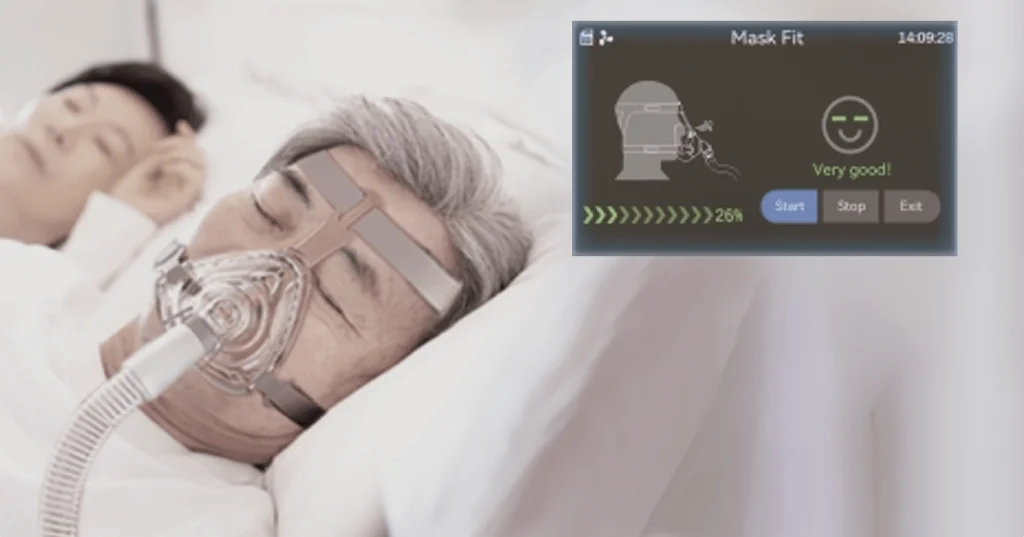
Start with three user-centered priorities: ease of use, symptom relief, and long-term comfort. Ease of use includes simple menus and a reliable humidifier; symptom relief depends on precise pressure settings and auto-titration that adjust to real breathing patterns. Comfort covers mask fit, noise level, and features like ramp or exhalation relief to ease into therapy. Keep each priority personal—what helps one sleeper may not help another.
Core features to prioritize
Focus on functionality that directly affects nightly experience and outcomes. Essential features include:
– Auto-titration that adapts pressure during sleep to reduce apneas. – Smooth exhalation relief (EPR) to lower expiratory effort and improve comfort. – Quiet blower design and low decibel rating for bedpartner comfort. – Humidifier integration and a reliable mask interface that prevents leaks. These items are practical—pressure control, leak management, and humidification are not optional if long-term adherence matters.
Common mistakes people make
People often prioritize price over features and then quit therapy when discomfort returns. Others pick masks without trialing fit or assume bigger machines mean better therapy. A second mistake is ignoring ramp settings and air pressure curves; small adjustments to ramp time or pressure rise can convert a night of tossing into restorative sleep—adjustments a clinician or a good device menu can make simple.
Comparing alternatives and where an auto bipap machine fits
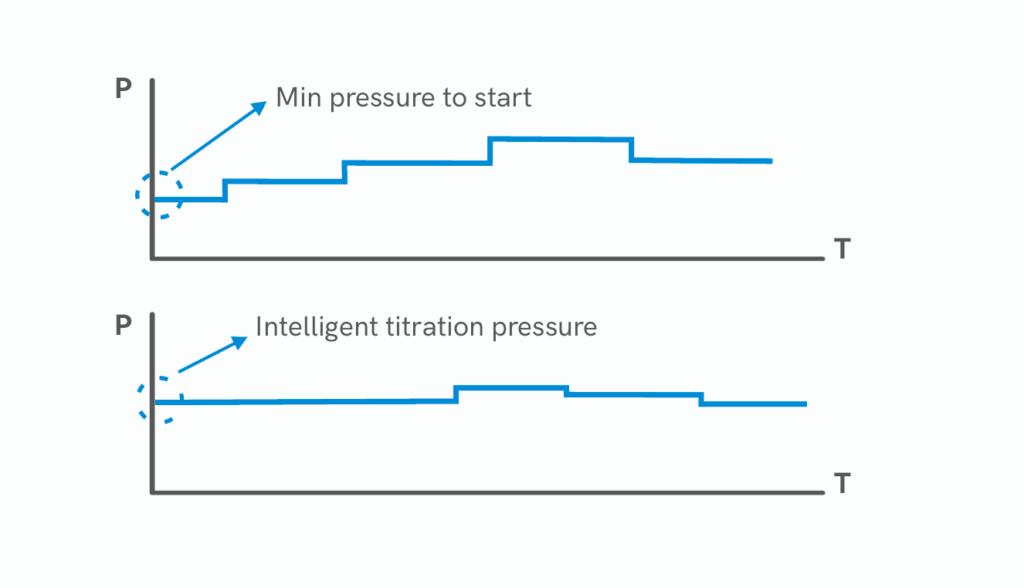
For many, a midrange auto bipap machine offers the best balance between control and convenience. Compared with fixed-pressure BiPAP, an auto model responds to events and can reduce unnecessary high pressure during lighter breathing. If you value consistent oxygenation and variable pressure for complex cases, the auto option is sensible. Brands differ in software, data export, and mask compatibility—those are the practical differences you’ll notice daily. Consider trial programs or demo units where available to test interface and noise levels.
Real-world anchor and simple test
Clinical guidance and population studies—like the widely cited 2019 global review estimating near‑1 billion affected adults—remind us that device choice is public health adjacent. As a practical test at home, monitor three nights: note wake frequency, morning sleepiness, and any mask leaks. Track whether the auto-titration responds to sleep stage changes; data export can reveal whether pressure spikes correlate with arousals.
Advisory — three golden rules for selection
1) Prioritize clinical fit over feature lists: ensure the device supports your prescribed pressure range and offers auto-titration if variability is expected. 2) Choose comfort tools first: the right mask interface, humidifier performance, and exhalation relief predict long-term adherence more than brand badge. 3) Verify real-world support: warranty, local service, and data-review options—these determine whether adjustments happen when you need them. When those three align, the device becomes a practical partner for therapy. A thoughtful product and support ecosystem—like offerings from Byond—turns technical features into nightly relief, and that is the real value to the person sleeping next to you. –