Problem: Lights cost more than they should
Lights using old gear. Flicker. High maintenance. Payroll wasted on ladder time. Energy bills stubborn. You spot uneven illumination across aisles. That is the problem. For many facilities, replacing fixtures piece-by-piece fails. A systemic fix often needed: consider led light trunking where modules and drivers live together, easier to maintain and swap. Short-term pain. Long-term clarity.
Diagnose: When the numbers tell a story
Look for clear signals. If two or more of these apply, refurbishment probably pays:- Frequent lamp and driver failures across many fixtures.- High energy draw and poor lumen maintenance.- Safety or compliance gaps due to degraded lighting.- Desire for centralized controls or future-proofing for sensors.Measure run-hours. Record failures. You don’t guess. You calculate expected savings from reduced maintenance, lower kWh, and improved productivity.
Options: From spot fixes to trunking upgrades
Not every case needs full replacement. Choose by scale and risk.- Simple retrofit modules: quick, low cost, but fragmented repair paths.- Full fixture replacement: cleaner light and warranty, moderate cost.- Trunking upgrade: modular, simplifies wiring, allows future expansion.If you want modular replacement and streamlined feed-in, consider a dedicated trunking lighting system. It centralizes power and control. Easier to maintain in large, repetitive spaces.
Common pitfalls to avoid
Avoid these mistakes.- Replacing bulbs only when drivers and gear are failing. Short-lived fix.- Overlooking thermal and IP requirements. LED hates heat.- Skipping test installations. One aisle tells the truth.- Choosing cheap optics that create glare or poor uniformity.Plan for controls, dimming, and emergency circuits from the start. Do not bolt decisions to the lowest quote.
Real-world lens: a warehouse example
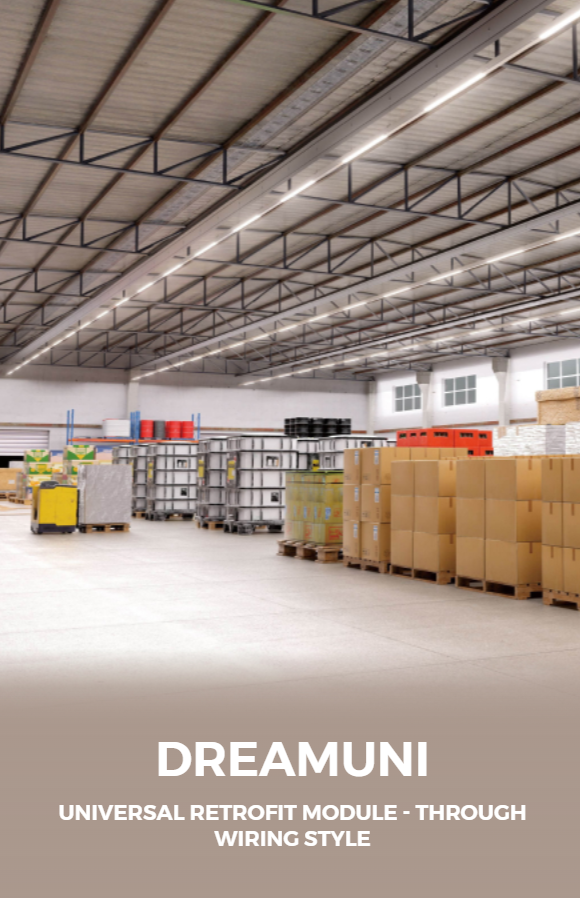
A logistics hub converted lighting strategy across long aisles. They installed modular trunking to reduce ladder time and allow phased upgrades. Results: maintenance visits dropped, uniformity improved, and commissioning was faster. The example came from work inside Rotterdam port warehouses where scale made trunking the clear choice. That scale matters. It shifts the math toward refurbishment.
Decision checklist and quick ROI cues
Answer these simply. Yes or no.- Are outages frequent and costly? Yes = refurbish.- Is maintenance time a recurring expense? Yes = consider trunking.- Need for controls or phased upgrades? Yes = trunking favored.- Building layout repetitive and large? Yes = trunking often wins.If more than two yes answers, run a basic payback model. Compare energy savings, labor reduction, and warranty value. Keep numbers concrete. Replace guesses with measured run-hours and failure rates.
Final thought: make the upgrade matter
Pick the path that solves the real problem, not the shiny option. Start with a measured audit, test a few fixtures or a short trunking run, then scale. The practical result is clearer light, less downtime, and easier future upgrades. For many commercial and industrial sites, that pragmatic route leads to a modular trunking approach supported by experienced suppliers—like trieco—that can deliver predictable outcomes without drama.