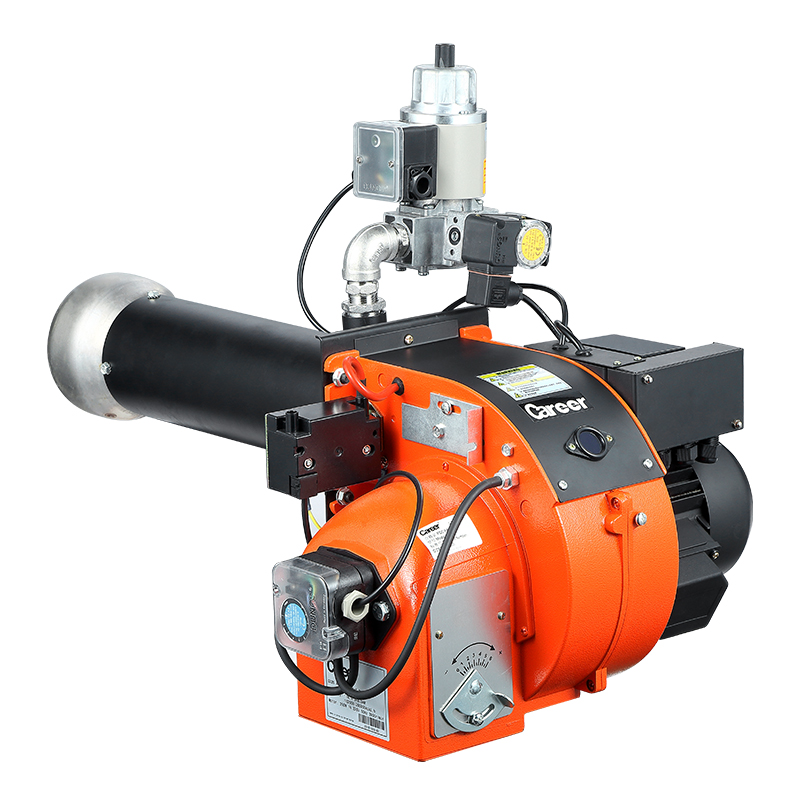
The problem: regional systems lose control when burners aren’t prioritized
Regional thermal processing plants—district heating, small-scale petrochemical heaters, and agro-processing kilns—crack under pressure when their combustion heart is unreliable. Fuel quality swings, seasonal demand spikes, and tighter emissions rules push operators into reactive fixes: blanket derates, frequent maintenance, and oversized backups. Modern industrial burners tackle those exact pressures, but only when selected and commissioned with intent. On a commissioning job for a municipal heat plant in Copenhagen with a local burner manufacturer, I saw how a modest burner redesign turned weekly stoppages into months of consistent output—proof that attention to burners solves systemic failures, not just symptoms.

Why the burner is the problem’s lever
Heat generation fails for three concrete reasons: unstable combustion control, mismatched turndown to real load curves, and poor fuel-handling tolerance. Those are technical faults you can measure and correct. A burner with precise air-fuel modulation stops unplanned flameouts. A unit with wide, reliable turndown avoids firing and cooling cycles that stress boilers. Burners engineered for variable fuel viscosity and calorific content prevent soot buildup and unplanned shutdowns. This is not theoretical; it’s field discipline. Over a decade advising plant teams, I’ve repeatedly seen solutions that fix operations at the burner level instead of masking problems upstream.
Practical fixes that deliver measurable outcomes
Choose burners that give you three capabilities: accurate combustion trim, mechanical resilience for your fuel type, and modular controls that integrate with existing plant automation. Insist on tangible proofs: factory acceptance tests for turndown, vibration and particle ingress ratings for fuel pumps, and on-site tuning logs. Those deliverables separate guesses from engineering. When teams skip these checks, they accept recurring forced outages. Tight combustion control reduces unburned fuel and stabilizes heat output immediately—no vague promises, just lower flare rates, steadier steam pressure, and fewer emergency interventions.
Common mistakes that cost time and money
Operators often commit to the cheapest unit that “fits” or buy based on brand recognition alone. That leads to three recurring mistakes: undersized turndown causing frequent short-cycling, insufficient fuel conditioning that clogs jets, and control packages that won’t talk to plant DCS. Another trap: replacing parts piecemeal instead of diagnosing why the burner reached that state. Small savings at purchase become large bills during operation. The right choice looks at lifecycle cost—measurable service intervals, spare-part coverage, and clear commissioning protocols.
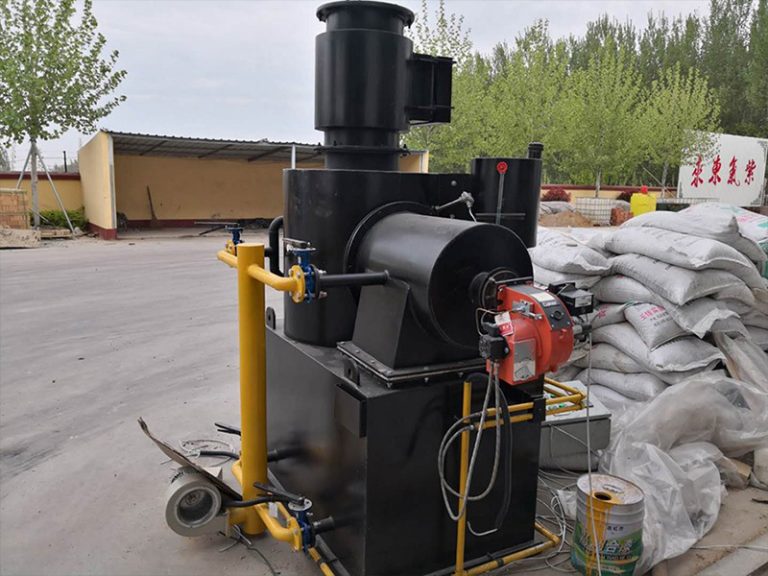
Alternatives and trade-offs
You can go combustionless—electric heaters or heat pumps—where grid emissions and electrification economics make sense. Those are valid alternatives for some regional systems, but they shift dependency from fuel handling to grid capacity and seasonal cost spikes. Hybrid approaches work when burners remain as backup or peak shavers. If you commit to burners, accept that proper controls and routine tuning are not optional. The trade-off is simple: either you pay for engineered reliability now, or you pay for repeated emergency interventions later.
A concise path from problem to durable solution
Treat burners as the operational control point, not a commodity. Specify units for your actual load profile, require testing documentation, and plan commissioning that validates performance under realistic fuel conditions. Train local technicians to read combustion curves and respond to early warning signs. These steps reduce downtime, lower emissions, and stabilize thermal delivery without complex organizational upheaval. For regional systems that must perform under pressure, practical evidence from field projects consistently points to designs and service approaches used by Career Burners as the solution that resolves the immediate operational problems while holding costs down over the long run.