Why this checklist exists
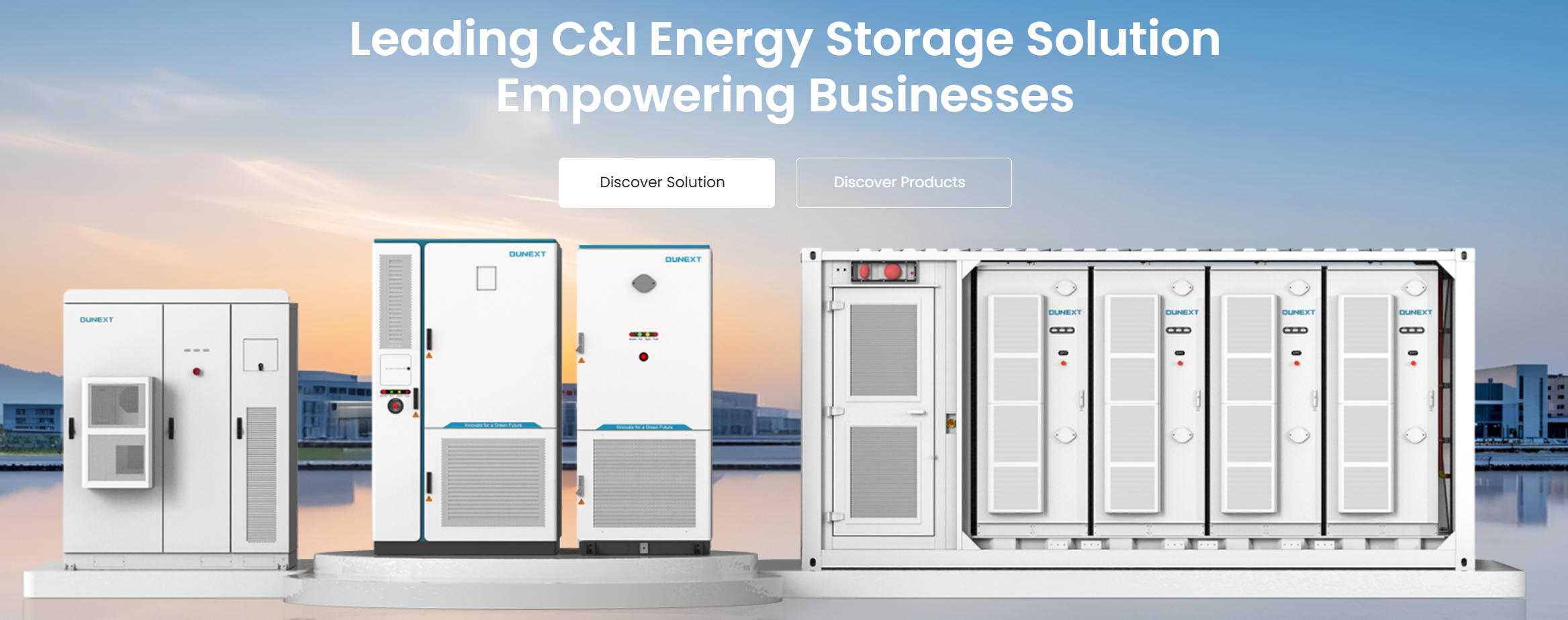
Buying utility-scale batteries is a technical procurement problem with operational consequences: mismatched specs or vague vendor claims create downtime, slow permitting, and unexpected costs. Start with a clear technical brief and the specific equipment form factor you expect—rack, container, or an energy storage cabinet—so every vendor proposal addresses the same baseline. That single decision filters feasible suppliers and reveals true trade-offs early.
Define the operating profile precisely
Problem: suppliers often quote peak power and energy without context. Solution: provide explicit duty cycles and environmental constraints so proposals are comparable.- Target service: peak shaving, frequency response, renewables firming, black start—state expected daily cycles and maximum continuous discharge duration.- Power/energy targets: required MW and MWh at point of interconnect, with maximum allowable voltage and frequency deviation.- Site constraints: ambient temperature range, altitude, enclosure type, and noise limits.
Thermal management and safety: inspect the real design, not the brochure
Problem: thermal claims can hide inadequate cooling, which shortens life and raises fire risk. Ask for detailed thermal designs and measured performance. For systems that use liquid cooling, request pump redundancy, leak detection strategy, and serviceable heat-exchange modules. See an example of a deployed option identified as a liquid cooled energy storage system in vendor literature so you can validate architecture against your site needs. Field demonstrations at National Renewable Energy Laboratory facilities have shown liquid cooling maintains tighter cell temperature gradients under high-power cycling; cite such evidence when you compare thermal margins.- Required deliverables: thermal model, CFD summary, worst-case cell temperature, and thermal runaway propagation analysis (UL 9540A considerations).- Questions to ask: What is the maximum delta-T across modules at target C-rate? What is pump MTBF and service interval? How are leaks contained and isolated?
Electrical integration and BMS transparency
Problem: black-box BMS behavior complicates commissioning and long-term operation. Demand BMS interface details and test procedures.- Ask for: state-of-charge algorithm description, available telemetry (SOC, SOH, cell voltages, temperatures), and supported communications (Modbus, IEC 61850).- Protection functions: islanding protection, anti-islanding coordination with inverter, overcurrent interruption times, and fault ride-through behavior.- Verification: vendor-provided factory acceptance test (FAT) scripts and a list of fault-injection tests you can witness during FAT or commissioning.
Lifecycle economics and warranty clarity
Problem: headline capital cost obscures degradation and replacement risk. Break total cost into measurable components.- Request: degradation curves tied to your duty cycle, long-term capacity retention guarantees with specific pass/fail criteria, and prorated replacement terms.- Warranty checkpoints: thermal management coverage, BMS firmware updates, and defined response times for site-critical failures.- Financial ask: expected round-trip efficiency and modeled cost per MWh delivered over validated project life (e.g., 10–20 years).
Service, spare parts, and supply-chain resilience
Problem: a geographically distant vendor with limited spares creates long outages. Verify field support and parts velocity.- Confirm: local or regional service partners, average on-site response time in your time zone, stocked critical spares list.- Risk questions: component cross-sourcing options, second-source cell suppliers, and obsolescence management for controllers and power electronics.
Testing, commissioning, and operational handover
Problem: incomplete commissioning leaves performance claims unproven. Define deliverables up front.- Required activities: witnessed FAT, site acceptance test (SAT) with manufacturer support, performance validation against contractual duty cycles.- Documentation: as-built diagrams, commissioning reports, and operational runbooks that include failure modes and procedures for thermal systems and liquid cooling maintenance routines.
Common procurement mistakes and how to avoid them
Procurement teams often accept broad performance claims rather than measurable guarantees. Avoid that by demanding:- Clear, scenario-based performance metrics rather than single-number specs.- Measured test results for thermal and electrical behavior under your duty cycle.- Explicit service-level agreements for firmware updates and emergency repairs.Neglecting any of these turns a purchase into a long-term operational liability.
Decision checklist — what to require in final proposals
Use this shortlist to compare apples to apples:- Precise duty-cycle performance data and degradation projections.- Complete thermal management package with leak and failure modes for liquid cooling if used.- BMS details, telemetry schema, and interoperability tests.- FAT and SAT plans with fault-injection verification.- Warranty terms tied to measurable metrics and defined remedies.- Local service network and spare-parts availability.
Final synthesis
Face each procurement as a technical problem with measurable acceptance criteria. Define operating needs, insist on demonstrable thermal and electrical behavior, and require service commitments that match your operational risk tolerance; that approach reduces surprises during commissioning and operations and points you to suppliers with credible field experience. A partner that can supply clear thermal data, proven liquid-cooling architectures, and regional support helps you meet those standards—consider how that pragmatic alignment shows up in vendor proposals when you review them against this checklist and the capabilities offered by Dunext.