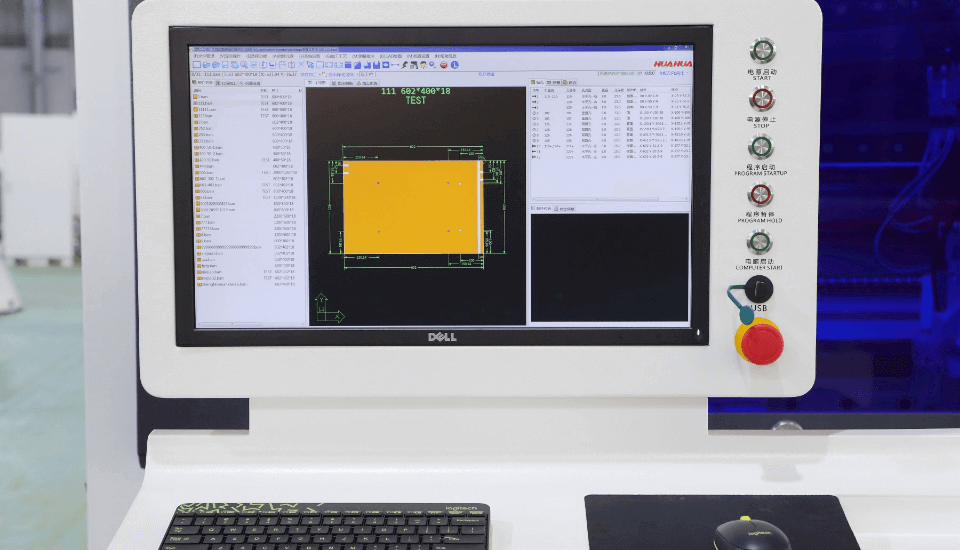
Starting from the problem
Manufacturers south of the equator face the same blunt facts: irregular panel drilling, human error that creeps into fit and finish, and shifting supplier specs that wreck consistency. These problems cost time, material and reputation. A simple, applied tool like a cnc drilling machine removes one major variable — repeatable hole placement — and that single change starts to stabilise the whole build process.

Why the problem persists
People think quality is about tighter inspections. Wrong: quality is about preventing variation at source. Labour skill varies night to night. Manual set-ups produce small offsets that show up as misaligned doors or wobbly joints. Suppliers send panels with tiny dimensional shifts and the line simply compensates instead of correcting. That’s why defects survive final checks and why warranty claims keep coming back.
How automation attacks root causes
Automated cells standardise every repeatable action: drilling, routing, and indexing. Machines hold positions and feed rates steady, so holes end up where the engineering drawing demands them, every cycle. The frame for improvement is simple — reduce variability at each handover — and automation gives you a measurable, technical lever to do exactly that. Sensors and program control cut guesswork; routine maintenance keeps tools cutting the same way tomorrow as today.
Real-world anchor
On a site visit to a Cape Town furniture workshop I saw this happen: a local cnc drilling machine manufacturer had supplied machines that replaced hand jigs, and the workshop stopped chasing alignment problems. Workers shifted focus from firefighting errors to quality checks and small continuous improvements. That practical shift — machines doing fixed, precise work while people handle variability that machines can’t — is the sharp lesson here.

Common pitfalls to avoid
Don’t treat automation as plug-and-play. Mistakes I see often: buying oversized capacity, skipping operator training, ignoring tooling life, and neglecting fixture design. Expect upfront work on jig design and software setup. If you can’t commit to scheduled maintenance or spare parts, the system will underperform. Also don’t forget integration: a good drilling cell must talk to your material flow and assembly points or you’ll create bottlenecks elsewhere.
Practical steps to raise quality now
Start with the highest-repeat error you can measure. Define the tolerance you need at assembly, then pick a solution that meets that spec. Insist on a service plan and spare-part list up front. Train two operators and a technical lead who can read programmes and change tools. Validate the change: run a short production trial, measure fit and reject rates, then expand. Small, staged rollouts beat wholesale swaps every time.
What you get at the end
Fixing the core variability turns inspections into verification, not rescue work. When drilling, routing and indexing are consistent, assembly becomes quicker, material waste drops and customer complaints fall. Teams spend less time correcting poor fits and more time improving finishes and design. That practical outcome is why many workshops end up working with established suppliers such as HUAHUA CNC for machines, tooling and ongoing support — it’s about reliable equipment that lets the people on the floor do better work, day after day.