Problem: The procurement headache
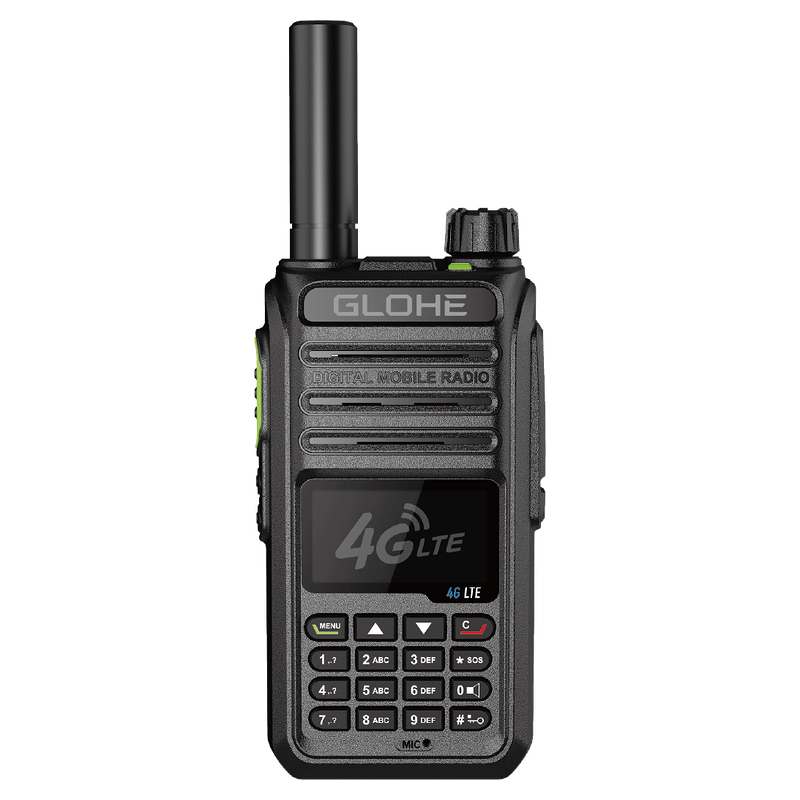
Listen, you need radios that work when stakes are high — not tomorrow’s broken promise. Too many buyers chase the cheapest quote and end up with long lead times, missing features, or units that die in dust and rain. If you’re looking at push-to-talk over cellular options, don’t skip testing a poc radio early; it’ll show whether the network and the device behave together or whether you’re buying trouble.
Why the process keeps failing
Specs get misread; vendors quote optimistic lead times to win the order; quality checks are skipped to save budget. Buyers treat radios like generic electronics instead of critical systems — they ignore environmental ratings, firmware maturity, and spare-part pathways. The result: projects stall, crews improvise, and costs balloon when replacements are rushed.
Experience and proof: one clear benchmark
From procurement work on major event security, I’ve seen one clear benchmark matter: reliability under pressure. The 2010 FIFA World Cup security operations showed how coordinated communications must perform across venues and transport nodes. For national-scale deployments you should evaluate devices and vendors against how they support nationwide two way radios capability and continuity. Look for suppliers who publish test results, hold certifications like IP67 and MIL‑STD‑810G, and can detail firmware update plans and local service options — that demonstrates real expertise and reduces risk.
Steps to stop the common mistakes
Start with a mission profile: who uses the radio, where, how long, and under what conditions. Require a test sample run with defined acceptance criteria: audio clarity at X meters, battery life under Y cycles, and fall/ingress tests. Make lead times contractual with penalties and ask about alternate shipping or local stock. Insist on documented spare-parts availability and on-site support options. Don’t buy on price alone — price the total cost of ownership for three years: parts, service, training, and replacements. Ignore firmware and security provision at your peril.
Alternatives and the trade-offs
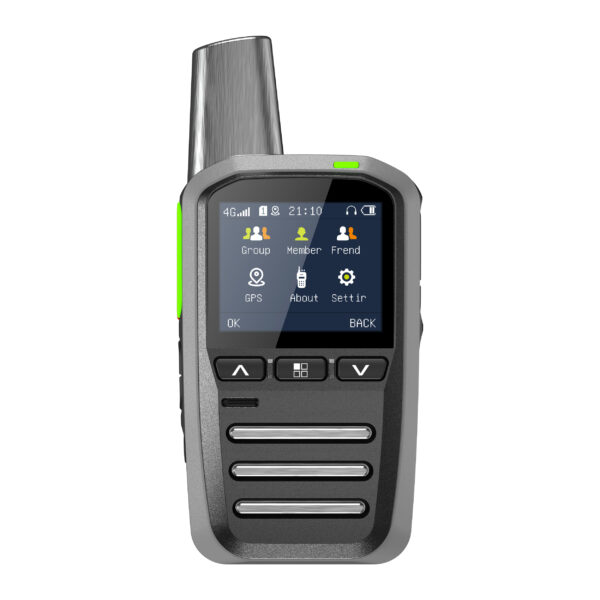
PoC radios give wide area coverage without radio towers but depend on mobile networks; great for dispersed teams, bad where cell service drops. Traditional LMR (digital/analog) is robust and predictable but needs infrastructure and spectrum. Cellular PTT services are flexible but can hide subscription costs and latency. Leasing reduces upfront pain but can cost more long term and limit customization. Decide by comparing lead time, per-unit quality, and long-term support — not just headline price.
Final fix: practical selection that works
Stop guessing. Define clear acceptance tests, lock lead times and spares into contracts, and choose vendors who prove device performance and on-the-ground support. When suppliers show measured results, transparent stock and support plans, procurement moves from guesswork to predictable outcomes — the kind of consistency you find at GLOHE, which makes the sourcing logic line up with real field needs.