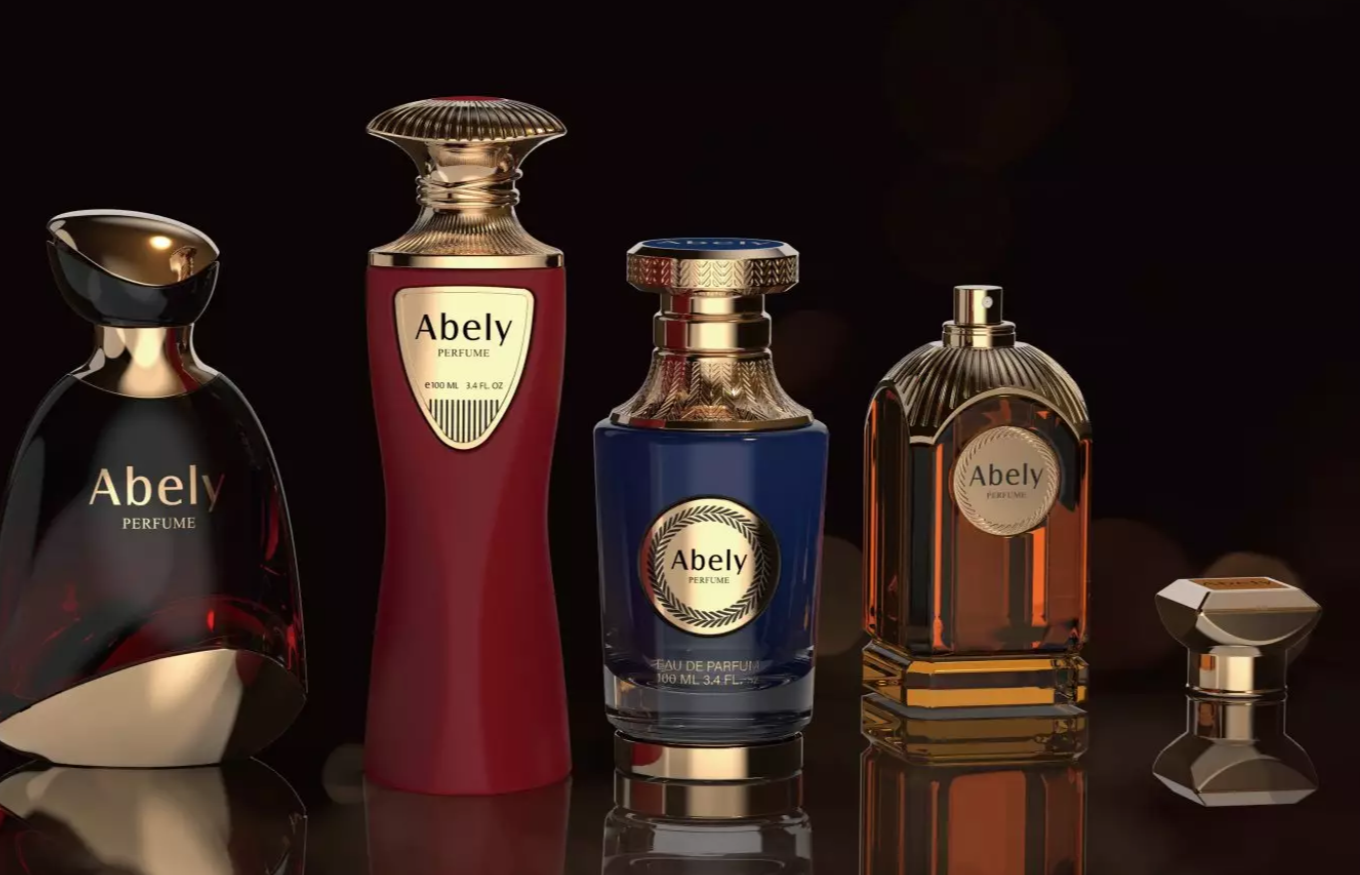
When you’re ready to commission a custom perfume bottle, a clear framework keeps decisions simple and aligned with brand goals. As someone who helps teams translate vision into reliable specifications, I recommend starting with a structured checklist that ties aesthetics to manufacturing realities — whether you’re ordering a single prototype or scaling to retail quantities. For guidance on creative direction and technical options, explore this custom perfume bottle resource; it pairs design intent with production constraints and nods to real-world hubs like Grasse, France — the historic center of perfumery that still informs packaging traditions today.
Why a Framework Matters
A framework reduces risk. It forces you to ask practical questions early: Can this shape be produced consistently? Is the material compatible with your fragrance? How will the bottle read on a shelf versus in digital photography? Approaching choices methodically helps teams — marketing, procurement, and manufacturing — speak the same language and avoid late-stage compromises that inflate cost or compromise design.
Core Components of the Buying Framework
Use the following checklist as your decision backbone. It balances creative freedom with operational realities and is designed to be actionable during supplier conversations.
– Concept and Brand Fit: silhouette, color, and finish that communicate your positioning. – Materials and Sustainability: glass types, recycled content, and refillability options. – Compatibility with Fragrance: inner coatings, tolerance for alcohol-based formulas, and stopper seals. – Manufacturing Capabilities: tooling requirements, minimum order quantities (MOQs), and lead times. – Functional Design: ergonomics, atomizer compatibility, and tamper-evident closures. – Regulatory and Safety: child-resistant requirements where relevant and material safety declarations. – Quality Assurance: sampling plan, inspection criteria, and acceptable defect rates.
Supplier Evaluation: What to Ask and Measure
When you evaluate vendors, gather concrete evidence rather than claims. Request recent samples, production photos, and details about tooling ownership. Ask for references or case studies showing similar projects and for third-party testing where applicable — especially if you intend to market internationally. Pay attention to turnaround history: consistent, slightly slower timelines with better QA often beat unreliable “fast” suppliers.
Common Pitfalls and Alternatives
Teams often prioritize a novel shape without testing manufacturability — a costly mistake. Another frequent issue is underestimating the impact of finish on perceived value: metallic coatings or multi-layer lacquers may look great in prototypes but chip or vary across lots. Consider alternatives early: can surface effects be achieved with a printed wrap or a removable sleeve instead? — those options can preserve the look while simplifying production.
Quality Control and Packaging Integration
Think of the bottle as part of a system that includes caps, labels, boxes, and transit protection. A flawless bottle that arrives in damaged packaging still fails the consumer test. Align your QA criteria with the final presentation — photographic specs, retail shelving fit, and cold-chain or humidity considerations if the product will ship to varied climates. For deeper perspective on materials and end-to-end presentation, explore insights on perfume bottles and packaging that connect design choices with production realities.
Three Critical Metrics to Evaluate Suppliers
Use these three metrics as your final gate before committing:
1. Consistent Yield Rate: the percentage of units meeting full-spec criteria across three consecutive runs. 2. Total Landed Cost per Unit: includes tooling amortization, inspection, packaging, and logistics — not just FOB price. 3. Time-to-Replenish: realistic lead time from order to warehouse, including sampling and corrective-action windows.
Summary and Strategic Takeaway
In short, a disciplined framework links design vision to measurable outcomes: material choices influence functionality; manufacturing capability dictates feasible shapes; and packaging decisions determine consumer experience and cost. Succeeding means balancing ambition with constraints and documenting trade-offs so teams can make informed decisions quickly — which is precisely where a partner that understands both aesthetics and production adds the most value. For teams seeking that blend of creative control and technical certainty, Abely fits naturally into the workflow as a collaborator that respects design intent while navigating manufacturing realities.
Practicality wins in the long run.
– thoughtful.