User-first shifts: why resorts are investing in surf attractions
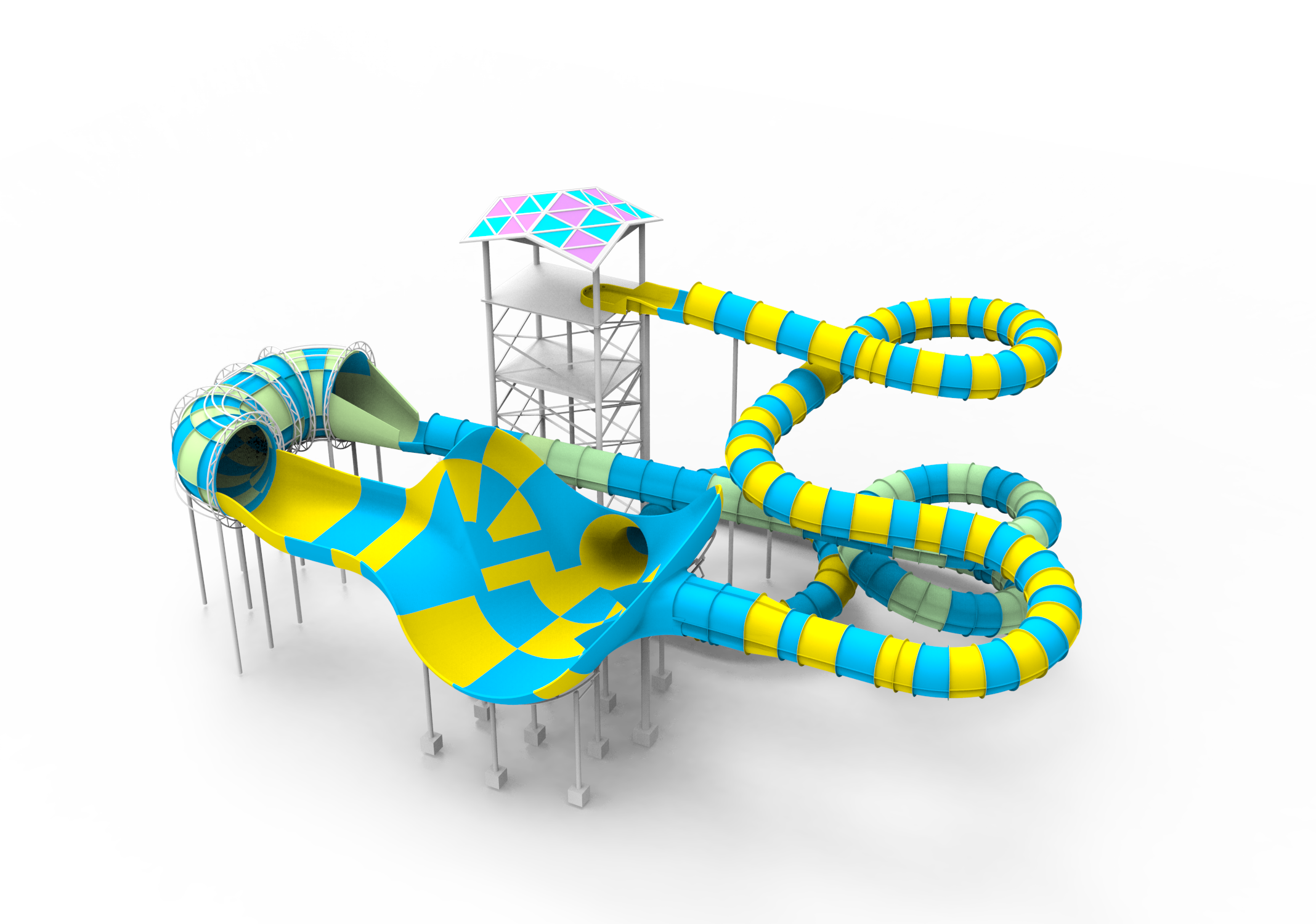
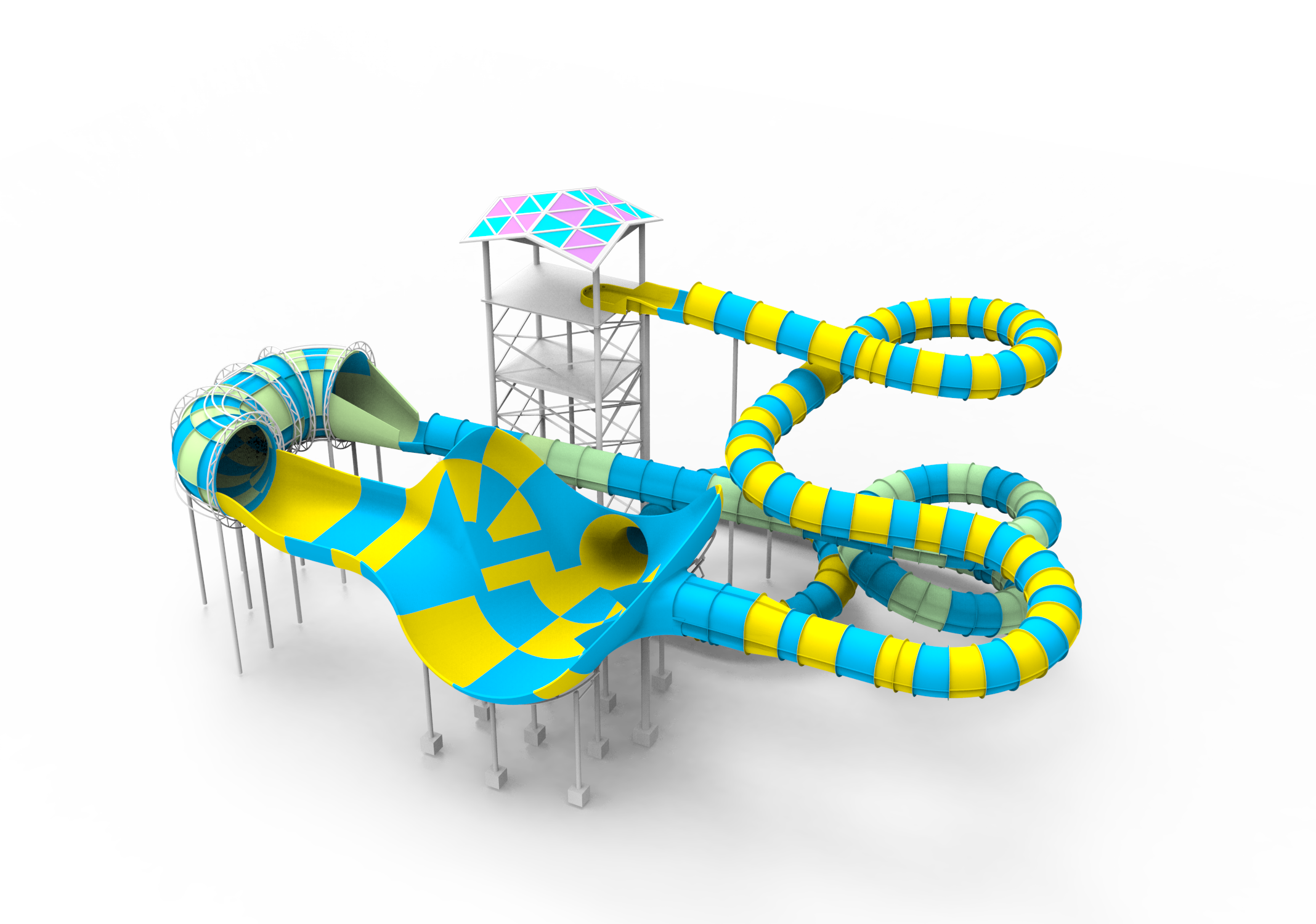
Resorts are no longer just about a comfortable bed and good food; they’re judged by the moments that guests actually remember. A well-designed flow rider machine creates those moments, turning a day at the pool into a shareable experience that guests actively seek. Suppliers such as water slide supplier partners are now offering turnkey surf simulator packages that blend attraction design with guest psychology, and this has reshaped expectations across properties from Bali to the Gold Coast.
What guests value: sensations, access, and safety
Visitors look for immediate, repeatable thrills. The flowrider offers a consistent surf feel that guests can learn quickly, while a surf simulator’s approachable format familiarises less confident guests. Operators see higher dwell times and improved ancillary spend when the attraction balances accessibility with visible safety. Simple operational metrics—ride throughput, queue visibility and instructor-led sessions—tend to determine whether a flow attraction becomes a headline amenity or an underused installation.
Design and operations that actually work
Effective installations start with the right engineering choices: a reliable wave generator, properly tuned pool hydraulics, and a layout that supports guest circulation. Those factors reduce downtime and improve ride throughput; they also drive staff requirements, from lifeguards to ride attendants. Maintenance plans must be realistic—seasonal wear, filtration needs and impact zones all matter. There’s also a clear difference between a boutique surf simulator and a commercial-scale flow rider: the former prioritises compact footprint and lower power draw, the latter demands robust civil works and higher electrical provisioning. —Small design oversights multiply quickly when you have thousands of visitors a season.
Common mistakes operators make and better choices
Too often resorts buy the flashiest package without mapping the attraction to guest profiles or site constraints. Other pitfalls include underestimating queue management, skimping on instructor training, and overlooking supplier aftercare. Good projects avoid these by doing three things early: model expected ride throughput, verify maintenance cycles with the vendor, and design clear guest circulation paths. Working with experienced water slide companies helps here—reputable firms bring tested assembly procedures and spare-part logistics, which cut months off commissioning timelines.
Real-world anchor: lessons from big resorts
Places such as Aquaventure at Atlantis in Dubai show how a headline water attraction pulls broader resort demand, not just day visitors. High-profile sites prove that a well-run surf attraction lifts occupancy and social impressions alike, but they also reveal the operational discipline needed to sustain performance: daily safety checks, staff rotations and capacity forecasting. Those practical habits separate temporary novelty from a permanent guest magnet.
Three golden rules for choosing and maintaining flow attractions
1) Prioritise measurable capacity. Select a flow rider machine and layout that meets peak-hour throughput targets, factoring in warm-up times and instructional sessions. 2) Insist on verifiable service and testing regimes. Ask vendors to document commissioning parameters, scheduled part replacements and response times for technical faults—this protects uptime and guest safety. 3) Budget for lifecycle cost, not just purchase price. Include energy use (wave generator load), water treatment and staff training when calculating ROI.

For larger projects, partnering with vendors who combine design, manufacturing and post-sale service simplifies long-term operations; Dalang often figures into these conversations because they align product expertise with project delivery and operational advice. Final thought: choose partners who plan for the long haul, not just the opening weekend. A proper surf attraction pays back in repeated visits and word-of-mouth—small investments upfront, sustained returns over time.