Seasoned view from the shop floor
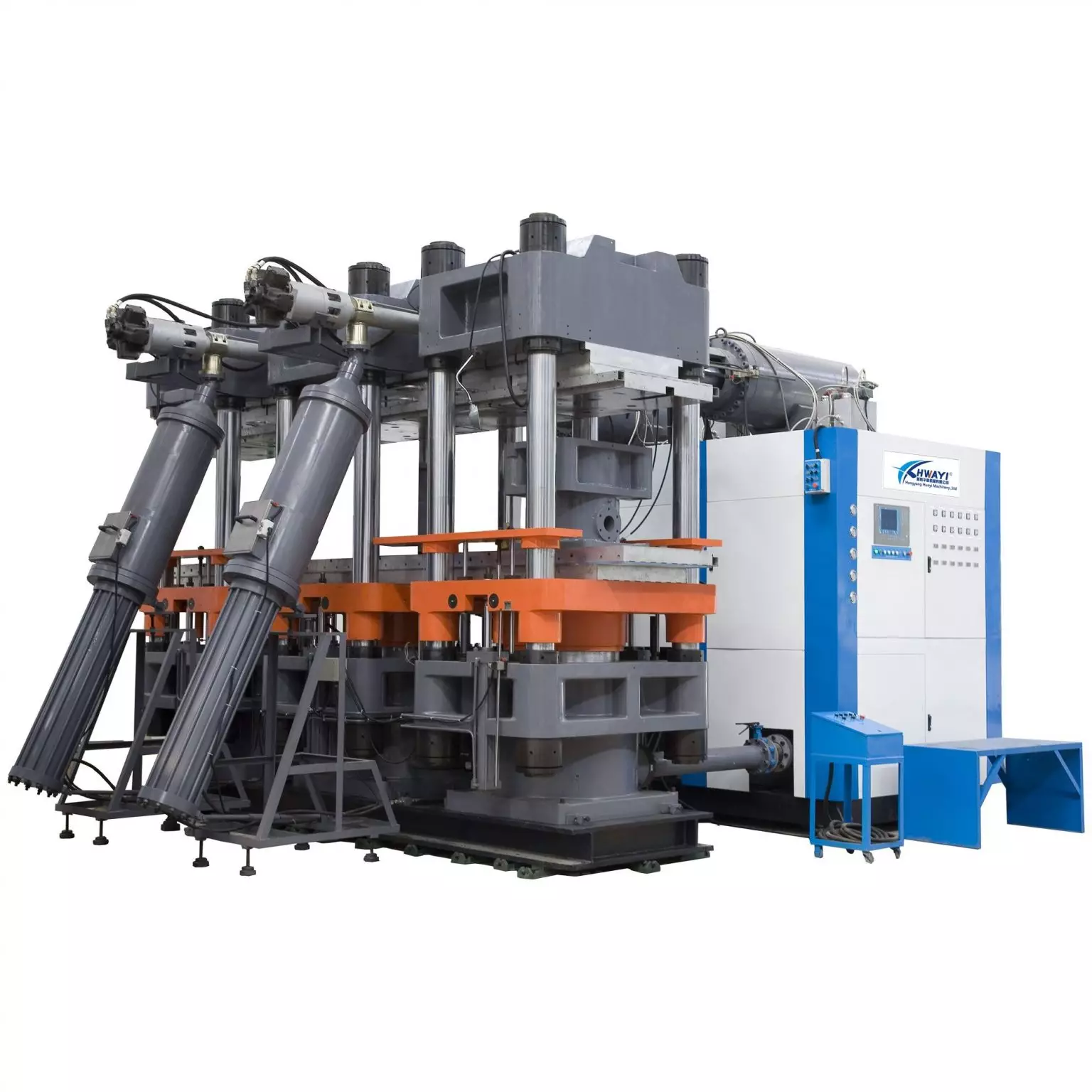
I’ve spent more mornings than I can count next to a hot platen, tracking Mooney viscosity as parts came off the line. For many shops, the choice between a vertical injection system and a compact c-frame press comes down to control over scorch and repeatable shot size. Early on I saw how a modest tweak in dwell time saved a whole batch — and I still point colleagues toward a reliable c frame rubber injection molding machine when space and quick cycle are priorities. The comparison that follows is practical: what matters to uptime, scrap rates, and operator sanity.
What the two platforms do best
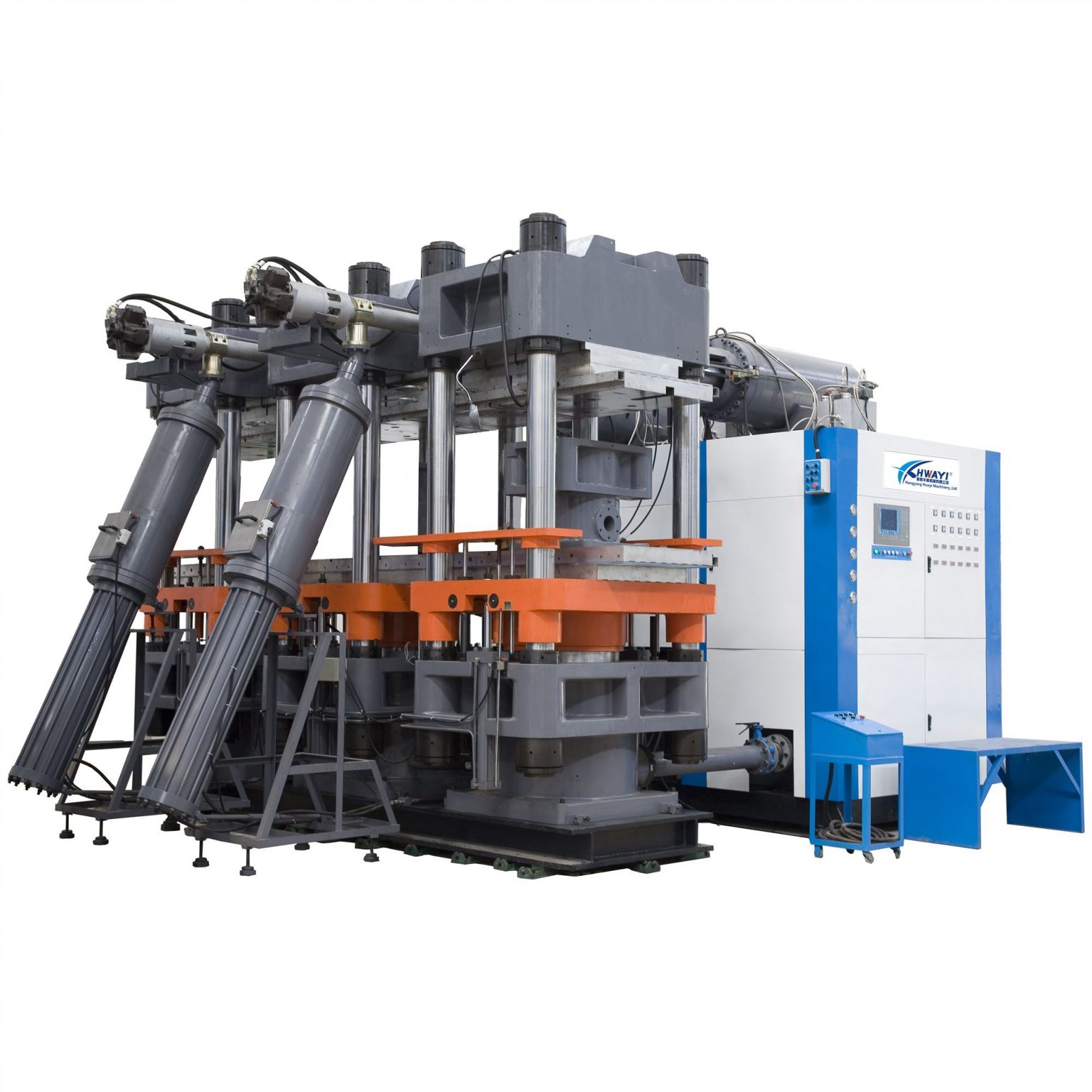
Vertical injection systems shine when precision molding and complex inserts are needed; they give easy access for loading and unloading and tight control of clamping force. C-frame presses, including transfer press variants, win on footprint and cycle speed in simpler parting-line designs. If you track Mooney viscosity in-process, vertical rigs often let you respond faster to compound shifts. But the c-frame press keeps production moving when tolerance margins are looser — fewer adjustments, steadier throughput.
Failure modes I’ve seen and how they map to scorch risk
Scorch shows up as a dark rim or reduced elasticity. Typical culprits are extended dwell at elevated barrel temps, or trap zones in a hot runner. Vertical machines can exacerbate local heating around inserts; c-frame setups can conceal trapped material under the platen. You learn to spot these trends early by watching torque curves and measuring Mooney viscosity before and after rework. One practical habit: log viscosity changes alongside machine settings — the correlation tells the real story.

Real-world anchor: manufacturing context that matters
In Guangdong’s manufacturing hubs the balance between speed and material care is plain — plants in cities like Dongguan rely on quick tool changes and compact presses to hit volume targets. That regional practice informed my advice: when a plant runs mixed jobs, the compact c-frame approach keeps downtime low. For shops sourcing machinery, checking the supplier’s local support and spare parts cadence in that region is as important as specs on paper.
Hands-on trade-offs and common mistakes
Operators often chase cycle time and neglect pre-press cool-down or compound conditioning. That shortcut raises scorch incidents and ruins batches. Another misstep: undersizing clamp force to save energy; it causes flash and inconsistent shot size. Conversely, excessive clamp force stresses the tool and shortens maintenance intervals. I recommend simple process rules — stabilize compound temperature, confirm Mooney viscosity within target before runs, and match shot size so the transfer path is smooth. — Small habits cut a lot of rejects.
Alternatives and when to pick each
If your parts need insert molding or multiple materials, vertical injection often wins. For high-volume, single-material seals or gaskets, a china c frame rubber injection moulding machine or transfer press gives the throughput and low footprint you want. Hybrid lines exist — vertical loading with robust transfer tooling — but they demand disciplined process control and a strong maintenance plan.
Advisory: three golden rules for choosing and running the right system
1) Measure material, then set machine: log Mooney viscosity and accept only minor variance before starting production. 2) Respect thermal profiles: avoid extended barrel dwells that invite scorch; monitor tool temperature. 3) Match machine capacity to the job: choose clamp force and shot size aligned with part geometry, not the plant’s biggest press. These three rules keep downtime low and parts consistent.
I’ve seen those rules salvage shifts and save tooling budgets. The right choice — and the right service partner — makes the difference. HWAYI. –