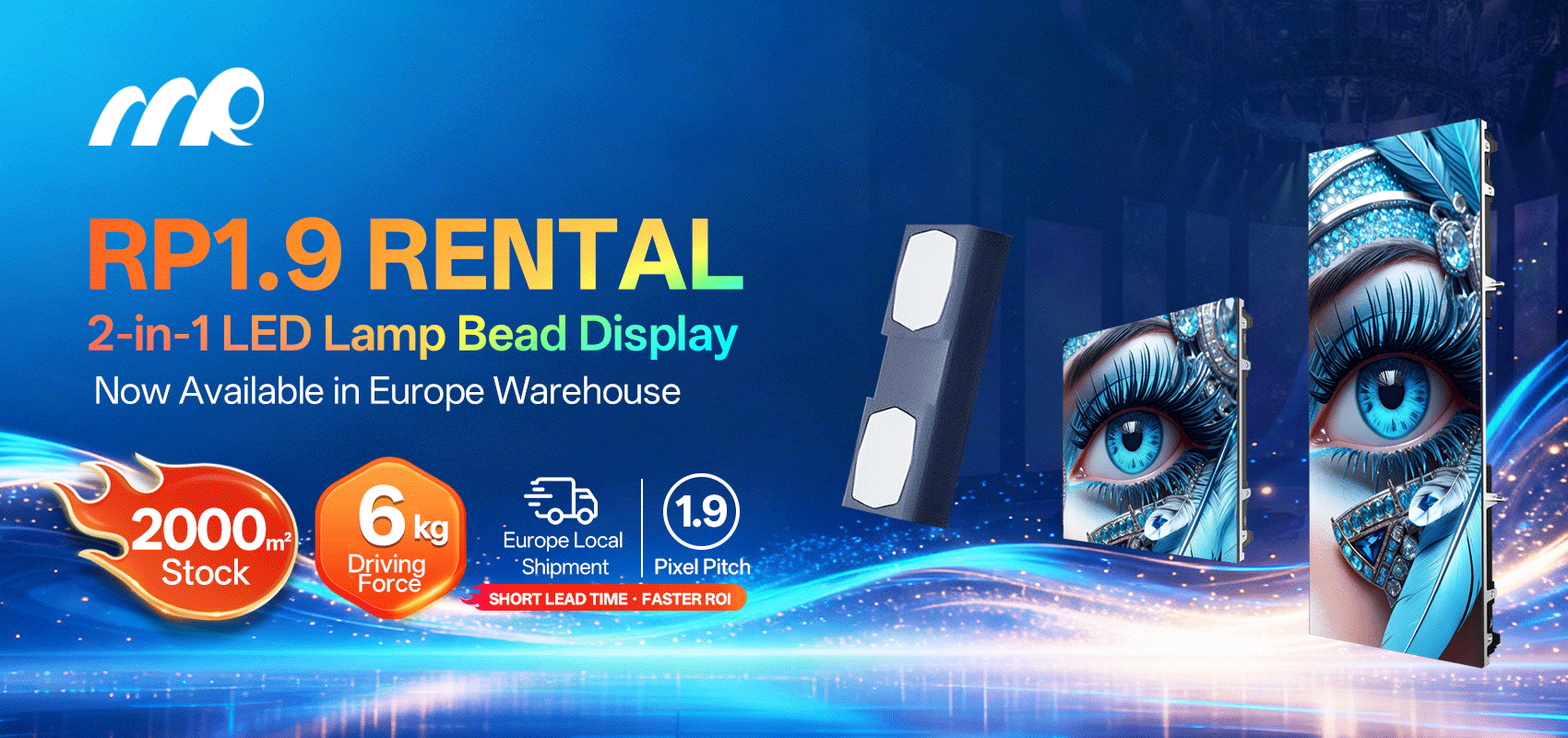
The core problem: markup, uncertainty, and squeezed margins
Event teams and rental houses keep getting hit by two invisible taxes: middleman markups and inconsistent kit quality. That’s why many buyers end up overpaying for a rental LED display that looks great for one night and causes headaches the next. Pixel pitch and refresh rate matter on stage, and when those specs are blurred by resellers you lose both performance and profit.
What direct factory collaboration actually changes
Working straight with a manufacturer removes the reseller layer and gives you control over specs, testing, and lead times. You can lock in exact pixel pitch, negotiate brightness and controller options, and set acceptance tests that mirror your shows. Factories can also adapt cabinets (front-service, IP rating) to your workflow — so gear is built for touring, not shelf display.
How this plays out in real setups — a field anchor
I’ve seen this shift happen at regional festivals and trade shows — think the outdoor stages at summer festivals and the big LED rigs used at events around Coachella. When a rental company worked straight with its factory, they cut delivery time and reduced on-site failures. Calibration became predictable, and repeat hires were easier — clients noticed the sharper images and steadier refresh rates. That jump in reliability is what wins contracts.
Common mistakes buyers still make
People assume the lowest quote equals the best deal. It doesn’t. Typical errors: overlooking long-term serviceability, ignoring spare-part logistics, or skipping burn-in tests. — Also, not checking controller compatibility can turn a seemingly cheap wall into a technical nightmare during setup. If you’re buying led display panels wholesale without specifying acceptance criteria, expect surprises.
Practical benefits you’ll actually see
Cutting out middlemen usually yields three concrete wins: lower unit cost, fewer compatibility headaches, and predictable maintenance. You also get tailored warranties and spare-part kits aligned with your fleet size. With factory collaboration you can standardize on modules and cabinets, so technicians train once and fixes are fast — less downtime on-site, more booked shows.
How to evaluate a factory partner — short checklist
Pick partners who pass these quick tests: 1) They run full-module burn-ins and provide test logs; 2) They support the controller and calibration workflow you use in-house; 3) They offer transparent lead times and spare-part lists. Add IP rating, cabinet rigidity, and firmware update policy to the list when you’re evaluating samples.
Golden rules before signing anything
Rule 1: Specify acceptance tests and get them in the contract — pixel pitch tolerance, brightness stability, and refresh rate ceilings. Rule 2: Ask for a small pilot batch and test under realistic stage lighting and distance. Rule 3: Verify spare parts and service turnaround times in your region — that’s what keeps a tour moving. These three checkpoints tell you whether a factory is a partner or just a supplier.
Closing advisory
Measure suppliers by these three critical metrics: unit lifecycle value (not just purchase price), technical transparency (test logs, firmware policies), and regional service logistics (spares and tech support). Stick to those and you’ll avoid the typical traps that drive up total cost. MR LED has shown how direct factory ties deliver consistent panels and service right when shows run hot — MR LED. —