
Why a comparative view matters
When clinics and medispas select a laser platform they are balancing clinical outcomes, patient safety and capital expenditure — and small differences in device performance can change treatment protocols. A measured comparison helps practitioners understand where a q switched nd yag laser machine excels, and where alternatives might be preferable. This article compares performance across skin types, identifies common sources of energy fluctuation, and offers practical troubleshooting so you decide with clinical clarity rather than marketing noise.

How Q‑switched Nd:YAG technology actually works
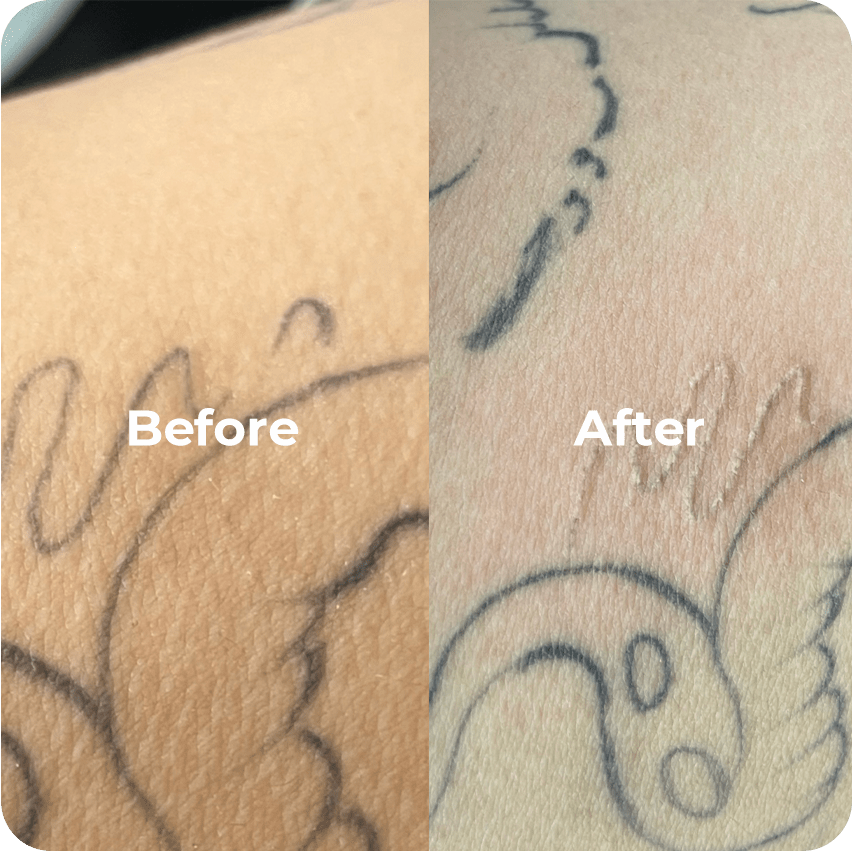
The Q‑switched Nd:YAG emits high‑peak‑power pulses at defined wavelengths (commonly 1064 nm and 532 nm) that produce a photomechanical effect on targeted chromophores such as tattoo ink and melanin. Key parameters include pulse duration, fluence and spot size; these determine the extent of fragmentation versus thermal damage. Q‑switching ensures very short, high‑energy pulses that leverage selective photothermolysis while limiting collateral thermal spread. In real-world practice this modality is widely used in dermatology centres and has been reviewed by regulatory agencies such as the US FDA for specific indications — an important anchor when assessing claims and safety profiles.
Performance across skin types and pigments
Choosing the right wavelength and settings is essential for Fitzpatrick I–VI skin types. The 1064 nm wavelength penetrates deeper and is safer for darker phototypes because it is less absorbed by epidermal melanin; 532 nm treats superficial red and orange pigments effectively but carries greater risk of hypopigmentation on darker skin. Adjust fluence and pulse duration conservatively for higher Fitzpatrick types and prioritise cooling and test spots. For tattoo removal cases, practitioners commonly refer to dedicated devices — for example the q‑switched laser tattoo removal machine — when matching wavelength capability to colour profile and skin tone.
Common energy‑fluctuation causes and practical troubleshooting
Energy instability can undermine both efficacy and safety. Typical culprits include an ageing flashlamp or diode pump, loose fibre or cable connections, faulty power supplies, and inadequate calibration routines. Begin with the obvious: verify mains stability and ensure the device’s internal voltage regulators are within specification. Check the handpiece and fibre for microbends or connector contamination — even a tiny speck can scatter energy and lower delivered fluence. If output variance persists after routine maintenance, log pulse‑to‑pulse energy with the internal diagnostics or an external energy meter; patterns will indicate whether the issue is electronic, optical or environmental.
– A simple habit like warming the device to operational temperature before critical cases often reduces drift — it is surprising how many centres skip this step.
Comparing Q‑switched Nd:YAG with other modalities
When weighing options, consider picosecond lasers, long‑pulse Nd:YAG, IPL and ablative resurfacing. Picosecond devices deliver shorter pulse durations and can be more effective for some ink colours and recalcitrant tattoos, but at higher capital cost. Long‑pulse Nd:YAG is tailored for hair removal and vascular lesions rather than ink fragmentation. IPL is insufficient for tattoo removal due to broad spectral distribution and lack of peak power. Each modality has a distinct clinical envelope — choose based on the primary indication rather than capability overlap.
Clinical workflow and operator best practices
Reliable outcomes arise from standardised workflows: pre‑treatment assessment (phototype, medication review), informed consent, test‑patch, calibrated settings, adequate cooling and documented intervals between sessions. Probe for patient history of keloid tendency or recent isotretinoin use. Maintain logs of fluence, spot size and passes so you can audit responses and refine protocols. Eye protection for both patient and operator must match wavelength and optical density specifications. Regular staff training on emergency responses to burns or pigmentary changes is non‑negotiable.
Alternatives, common mistakes and how to avoid them
Frequent errors include over‑treating in a single session, relying on manufacturer presets without patient‑specific adjustment, and neglecting routine calibration. Overaggressive fluence increases adverse effects without proportional benefit. Conversely, under‑dosing yields poor clearance and patient dissatisfaction. If a clinic contemplates a cheaper import or refurbished machine, ensure documentation for lamp hours, service history and replacement part availability — cost savings vanish if the system is unreliable or impossible to service.
Three golden rules for selecting and operating a Q‑switched system
1) Verify measurable output stability: require an energy‑per‑pulse log or independent meter readings as part of acceptance testing. 2) Match wavelength capability to your case mix: 1064 nm for darker skin and deep pigments; 532 nm for superficial red/orange ink. 3) Prioritise serviceability and supplies: access to replacement flashlamps/diodes, trained engineers and clear maintenance schedules reduces downtime and total cost of ownership.
These evaluation metrics should guide procurement and daily practice — and when matched to careful operator technique they translate to consistent clinical results. For clinics seeking a balanced combination of wavelength options, reliable engineering and practical aftercare support, the device selection and service ecosystem offered by ENZOEYS often aligns with those professional priorities. —