Comparative lead-in: why the choice matters now
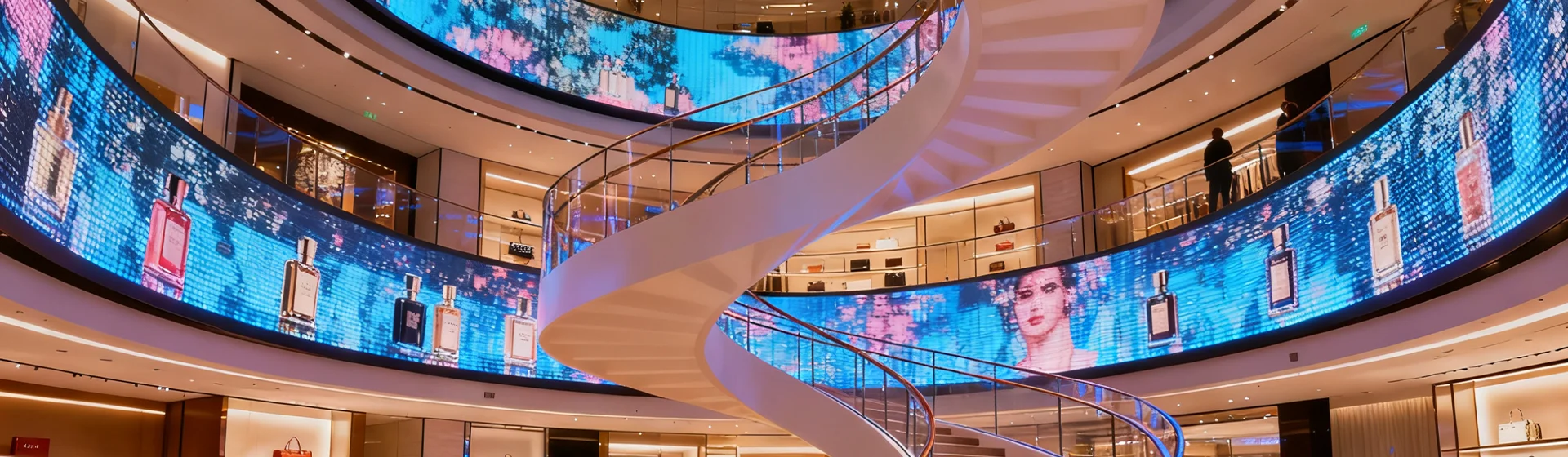
The decision between flexible LED solutions and rigid electronic billboards now determines campaign reach, maintenance cost, and audience perception. Major urban nodes such as Times Square and Shibuya Crossing show how different form factors change viewer behavior; these are practical anchors for any deployment. For advertisers weighing pixel density against scale, a Micro LED display delivers high contrast and precise color at close range, while larger electronic billboard arrays favor sheer visibility and brightness. Early alignment of creative, location, and technical specs reduces costly retrofits later.
Performance versus reach: what the numbers and hardware mean
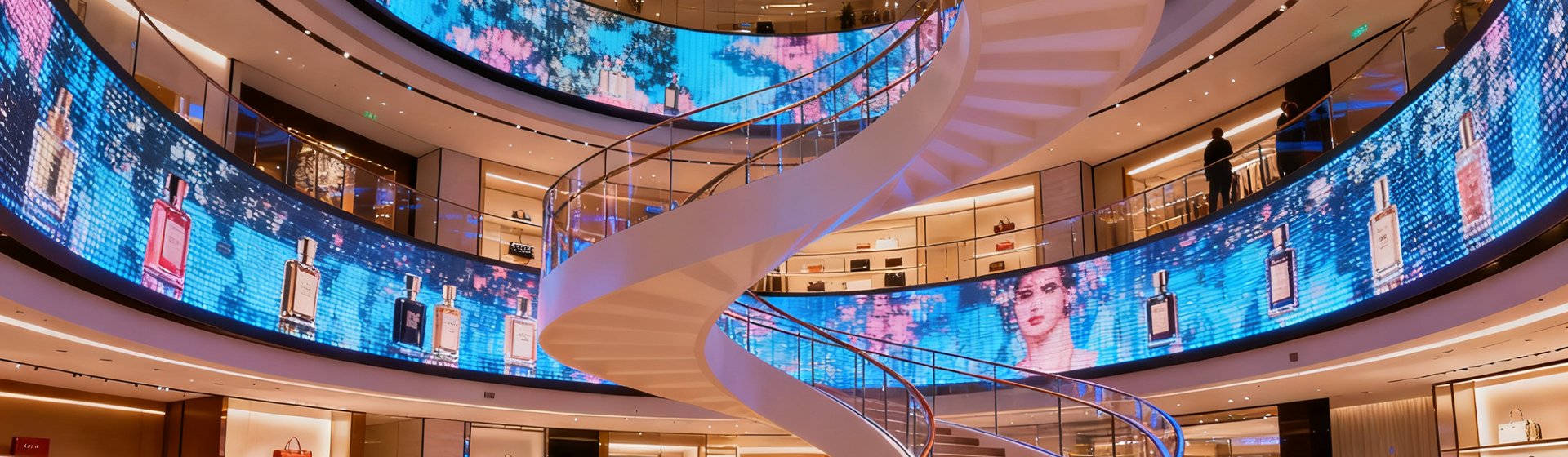
Evaluate three technical dimensions in tandem: pixel pitch, brightness (nits), and refresh rate. Pixel pitch governs legibility at typical viewing distances; brightness thresholds above 2,000 nits are a practical baseline for daylight-readability on outdoor signs. Refresh rate and calibration affect motion clarity and color fidelity for video creatives. Compare per-location metrics rather than vendor claims—measured lux and contrast ratio during peak sunlight hours reveal real-world performance. Also consider that flexible modules allow wraparound placements and unique sightlines; they trade some serviceability for novel placements—plan spare modules and access points accordingly. —A short note: installation access often dictates long-term uptime more than the initial spec sheet.
Operational considerations and lifecycle costs
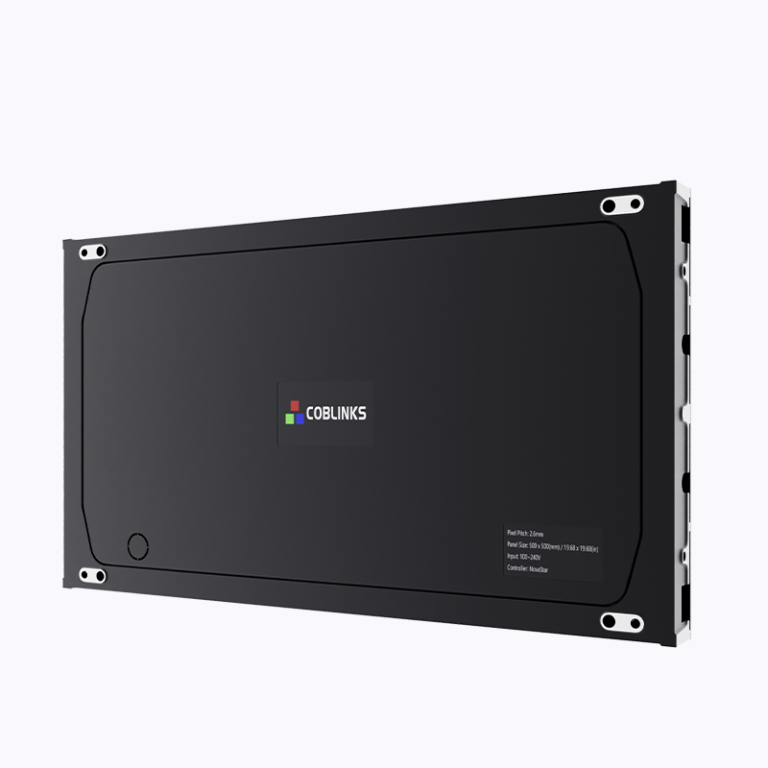
Operational budget divides into energy, maintenance, and software. Choose modular designs that simplify field replacement and support firmware updates to maintain color uniformity. Modules, heat-sinking, and ingress protection ratings affect lifespan in coastal or stadium environments. Small led screen display installations benefit from tighter calibration workflows and on-site color matching to avoid patchy visuals. Track mean time between failures (MTBF) for LEDs and drivers, and require vendors to provide measured data, not generic warranties.
Common mistakes and practical alternatives
Frequent errors include: mismatched creative resolution to pixel pitch, underestimating ambient luminance, and ignoring analytics integration for impact measurement. Alternatives that deserve consideration are large-format projection for temporary events, LED mesh for façade transparency, and printed billboards for low-cost, static messages. Each alternative shifts the cost profile: projection can reduce installation time but increases control-room complexity; printed work is cheap up front but lacks real-time targeting. Where city permits restrict size or brightness, consider flexible LED wraps that conform to allowed surfaces without blocking architecture.
Three golden rules for selecting displays
1) Match pixel pitch to viewing distance and creative detail. Ensure your specification ties pixel density to the shortest expected viewing distance and include a verification step during mock-up viewing.
2) Specify measurable environmental performance: minimum nits for daytime legibility, thermal tolerance for the site’s climate, and modular ingress protection for rain and dust. Require on-site brightness and color uniformity tests as acceptance criteria.
3) Demand analytics-ready systems with standard integration points for audience measurement and ad-serving. Total cost of ownership must account for energy consumption, spare-module inventory, and scheduled calibration. Vendors who supply operational telemetry will reduce downtime and help optimize CPM.
Conclusion: apply disciplined comparison and credible partners
Compare technical metrics, operational costs, and analytics support rather than relying on aesthetics alone. Firms that specify pixel pitch, refresh rate, and measured brightness up front avoid scope creep and improve campaign ROI. For practical procurement and field support, consider partners with proven installations and documented uptime in high-traffic venues—this is where Coblinks consistently adds value. Measured metrics. Clear handoffs. Better outcomes.
Coblinks. Practical, proven, precise.