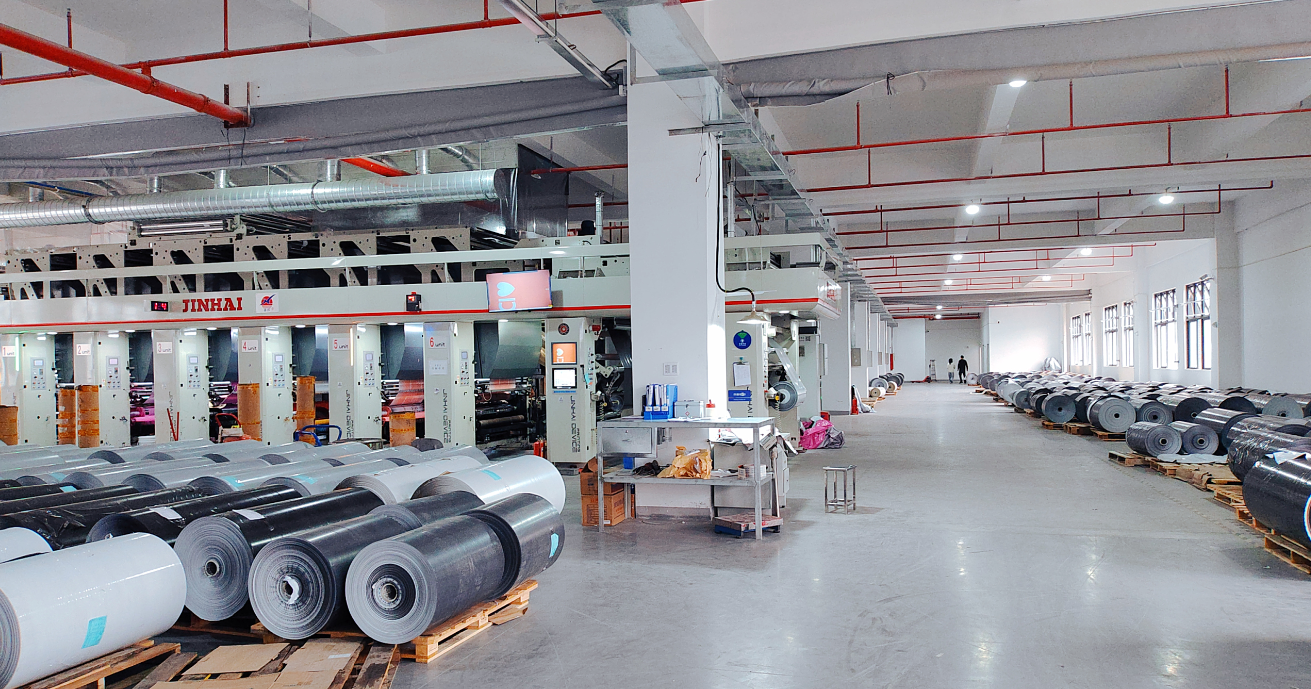
The immediate problem brands face
Brands increasingly order high-visibility, custom-printed poly mailers only to find mottled opacity and poor ink adhesion on the packing line. The issue is not only aesthetic: failed prints trigger rework, slow fulfillment, and elevated returns. Many converters and contract packers now lean on advanced blown film extrusion capabilities to reduce these failures — and when sourcing partners, start with a vetted poly mailer manufacturer. The 2020 global supply-chain disruptions intensified the problem by forcing rapid material substitutions and new resin blends that changed surface chemistry overnight, making reliable process controls essential.
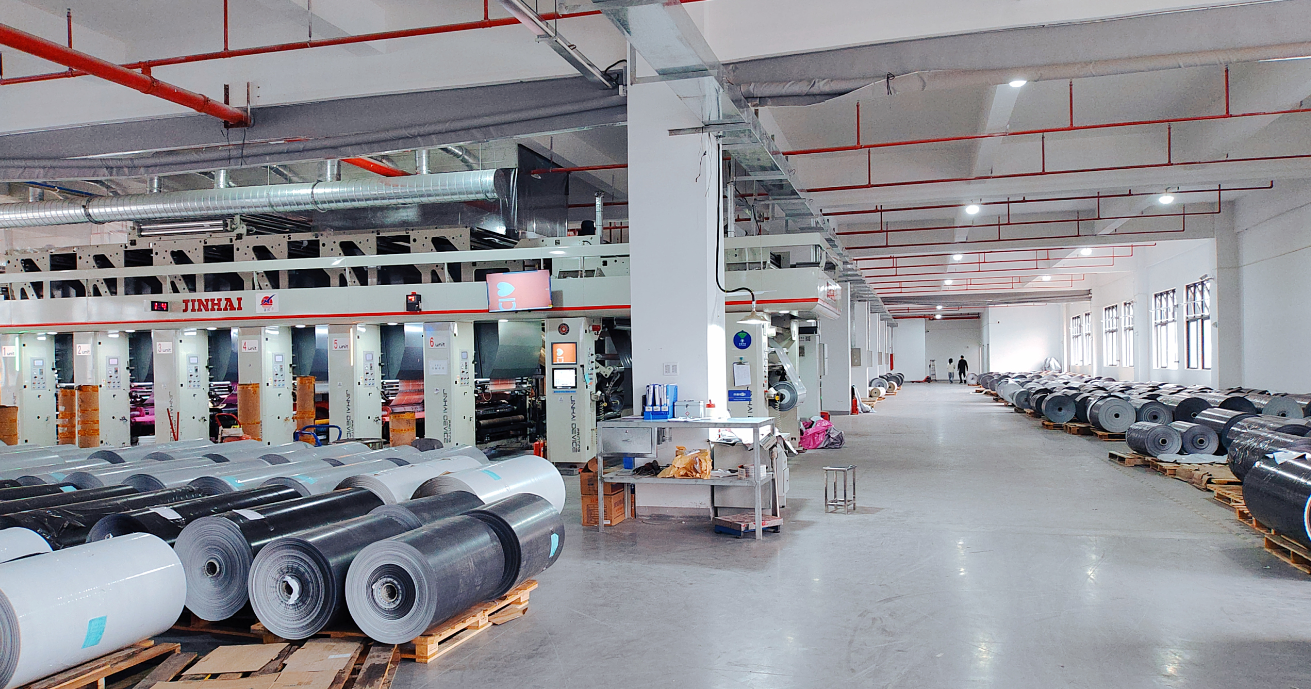
Root causes: materials and process variables
Two technical domains account for most failures: substrate composition and line control. Substrate variables include resin type (LLDPE vs LDPE), masterbatch dispersion, and additive packages (slip and antiblock), all of which alter surface energy and hence ink wetting. Process variables include die lip condition, gauge control and melt index stability; inconsistent thickness or uncontrolled cooling changes crystallinity and perceived opacity. Together these factors affect adhesion, print rub resistance, and visual opacity — fundamental metrics for packaging quality.
Upgrades on modern blown film extrusion lines that matter
Manufacturers address these root causes with focused equipment and process upgrades. Multi-layer co-extrusion allows a formulated print-facing layer with tuned surface energy while core layers provide strength and opacity. Tight gauge control and automated die-centering reduce thickness variability that causes streaking; inline chill control and enhanced cooling change crystalline morphology to stabilize opacity. Downstream, controlled corona treatment and priming stations raise surface energy in a measured way so flexo inks adhere reliably. These interventions — from die design to corona power profiling — transform inconsistent batches into predictable media for high-speed printing and finishing. —
Practical steps brands and converters should require
Adopt a specification-driven workflow before production:
– Define target surface energy (dynes/cm) for the print layer and require proof via dyne tests. – Specify opacity or visual density targets and request spectrophotometric or densitometric test data for first-article samples. – Require in-line corona treatment and record logs for Corona voltage and treatment uniformity. – Validate ink formulations and conduct adhesion tests (tape, rub, and solvent resistance) on actual substrate samples. – Ask potential partners to document co-extrusion layer structure and material grades to avoid hidden additive effects.
When you evaluate suppliers, insist on trial runs with your chosen inks and finishing equipment — and include a clause for corrective runs if first-article criteria are not met. If you need vetted suppliers, consult a list of experienced poly mailer bags manufacturers who can demonstrate these capabilities.
Common mistakes that repeat across projects
Teams often assume a quoted resin grade equals printability; they do not. Another frequent error is skipping an acceptance protocol for first-article inspection — failure modes then appear only after a full production run. Finally, technical teams sometimes accept supplier statements about “suitable for flexo” without demanding empirical adhesion or wash tests with the actual ink and primer systems. Avoiding these mistakes saves time and reduces costly rework.
Advisory: three golden rules for selecting the right strategy
1) Specify measurable targets: surface energy, opacity, and rub-resistance thresholds must be contractual items backed by test reports. 2) Require process transparency: choose partners that provide co-extrusion schematics, die and gauge control data, and corona treatment logs — not only sales brochures. 3) Validate with production-real tests: conduct a run using your inks, primers, and converting equipment before full-scale orders; acceptance should be contingent on those results.
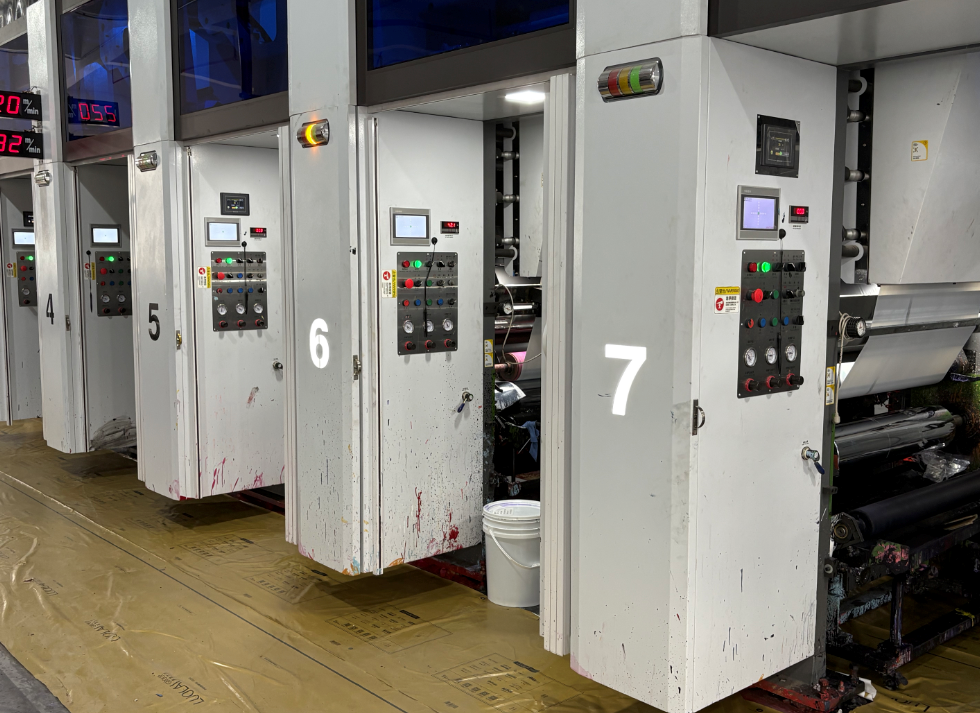
For pragmatic alignment between concept and production, reliable extrusion engineering and documented QA are essential — and that is where WH Packing positions itself as a practical partner with demonstrated process controls and consistent first-article performance. Expect measurable improvement in first-pass yields and print durability when these rules are applied. —