The Weekend Rush vs. Weekday Reality
You roll out at sunrise, the road open, the air clean, the plan simple: ride. You chose a 500cc cruiser because it promised power, ease, and that long-haul calm. Industry trackers say mid‑displacement machines climbed into double‑digit growth last year, and urban commute speeds keep dropping below 20 mph in many cities—two trends that point in opposite directions. On the highway, your bike settles at a sweet 70 mph, purring steady. In city traffic, it feels heavier, hotter, a bit reluctant to thread through tight gaps (coffee still hot, patience less so). So what gives?
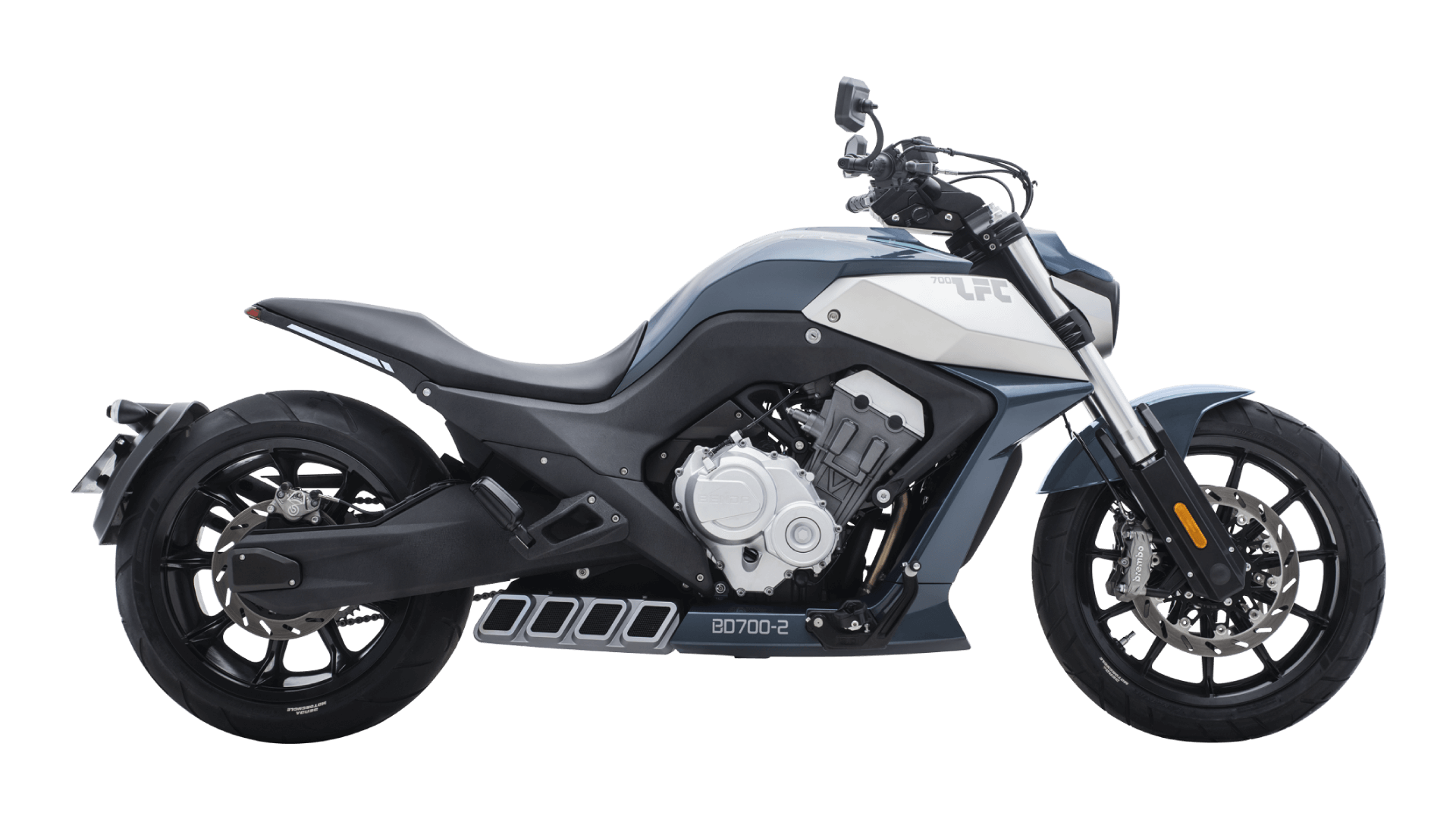
Here’s the twist: the same setup that makes a 500cc cruiser so stable at speed can work against you in short hops and stoplights. The torque curve favors mid‑range pull, and the chassis geometry aims for tracking, not slalom. Marketing promises say “do‑it‑all,” but your daily grind says “be nimble.” Which side wins—and why now? Let’s line up both worlds, then peel back the details that matter most for real riders. Onward to the hidden frictions and what to do about them next.
Under the Chrome: The Hidden Frictions in Fast Cruiser Bikes
Many riders picture fast cruiser bikes as highway slayers that can also handle town without a fuss. Look, it’s simpler than you think: the tuning choices favor stability and mid‑range punch, and that shapes everything. The torque curve is set to deliver in the 3,000–6,000 rpm band. Taller gear ratios keep revs low at cruise, but they ask for more clutch work at walking pace. A longer wheelbase and relaxed rake and trail make the bike track straight; they also slow quick steering inputs when you’re lane‑sharing. Add heat soak from a compact oil cooler in slow traffic and you feel the engine radiate. The ECU mapping is smooth at speed, yet a hair snatchy in first gear when the throttle is barely cracked.
What really slows a fast cruiser?
Ergonomics hide clues. Forward pegs open the hip angle on the freeway but reduce weight on the front at parking‑lot speeds, so feedback drops. Suspension set for plush travel can dive under abrupt front‑brake use, then rebound slowly across patched asphalt—funny how that works, right? The final drive ratio keeps vibrations down at 65 mph, yet it blunts urgency off the line unless you rev more. Even the ABS module may be calibrated for straight‑line stability first, not micro‑modulation in low‑speed turns. These aren’t deal‑breakers; they’re design trades. Know them, and you can ride around them. Ignore them, and the bike feels like it’s arguing with your commute.
Comparing Today vs. Tomorrow: How Mid‑Displacement Cruisers Evolve
The next wave aims to keep highway calm while trimming the city rough edges. A modern 500cc cruiser motorcycle can stack small technical wins that add up. Think ride‑by‑wire with low‑rpm engine maps for smoother tip‑in, plus a slipper clutch to calm downshifts. Reworked gear ratios—or even a shorter final drive—help the first 20 feet. A more efficient oil‑cooler path reduces heat soak at lights. Lightweight wheels cut rotational mass, so steering feels lighter without shaving stability. Better damping valves sharpen low‑speed control. And a smarter ECU map can blend fuel and ignition timing to soften on‑off throttle, especially in first and second. Not flashy, but real. And it works—across town and across counties.
What’s Next
Forward‑looking designs compare today’s cruiser feel to a near future with subtle sensors and cleaner logic. IMU‑assisted ABS can support gentle feathering mid‑turn. CAN‑bus updates streamline diagnostics and keep add‑ons tidy. Power modes let you pick soft delivery in traffic and full punch on the open road. Materials matter too: a stiffer handlebar and revised triple‑clamp offset tweak feedback without shaking comfort. The result is a bike that keeps highway serenity yet moves through city gaps with less drama—and fewer sweaty palms. Different context, same soul—only easier to live with.
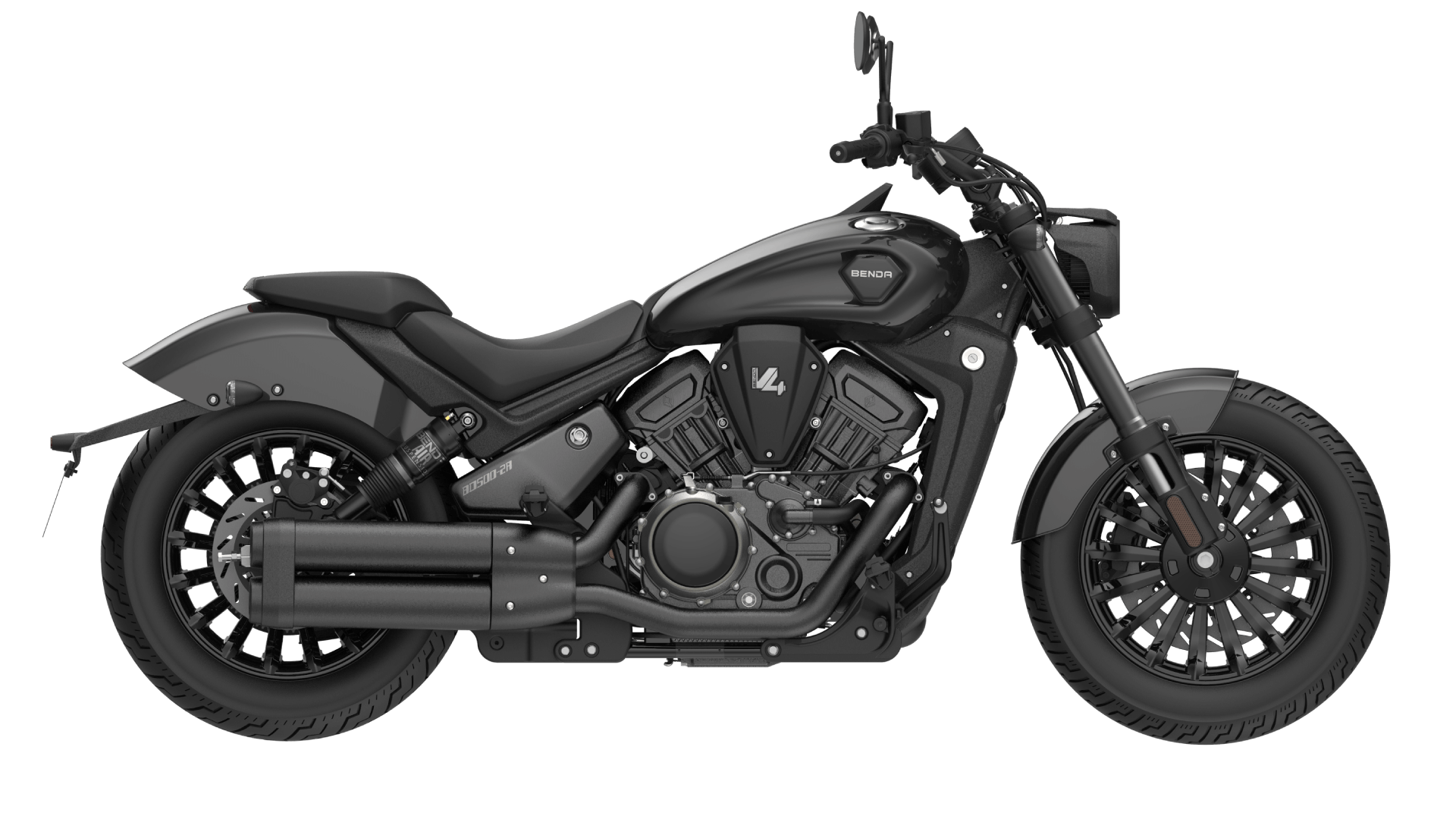
Before you choose, use three metrics to cut through the noise. First, usable torque and power‑to‑weight in the mid‑range, not peak numbers you’ll rarely touch. Second, practical gearing and thermal management: gear spacing, oil cooling, and how the bike behaves after ten red lights in a row. Third, chassis geometry you can feel—rake, trail, wheelbase—and whether the suspension resists low‑speed wallow. Measure those, and your pick becomes obvious. The right fit isn’t hype; it’s harmony. And if you want a brand building toward that balance, keep an eye on BENDA.