User-centered Overview
For lighting designers and venue operators seeking both flexibility and efficiency, a 4‑in‑1 LED moving head answers many routine demands. This article focuses on real, day-to-day needs—rigging speed, color control, and minimal maintenance—rather than abstract specs. Early in a specification conversation, consider a 3in1 BSW moving head beam light as a single source that can function as spot, wash, or beam while supporting complex scenes. Many project teams also rely on a reliable moving head wash light to reduce fixture count without sacrificing coverage. Here I present practical comparisons, typical mistakes to avoid, and decision rules grounded in venue realities such as Tokyo Dome concerts and other large-scale events.
What Users Really Need
Clients want predictable results on show night: consistent color temperature, fast pan and tilt response, and clear gobos when profiling. For front-of-house crews, operational simplicity matters as much as peak lumens. Designers often ask for quick zoom and smooth dimming curves for subtle transitions. It is advisable to prioritise fixtures that support DMX512 and offer reliable presets, so programming time is lower and cue stacks remain stable during technical rehearsals.
Core Technical Advantages
Four-in-one fixtures combine optics and multiple light engines so a single unit covers spot, wash, beam, and effects. This reduces rig weight and simplifies the truss layout. Typical strengths include adjustable beam angle, crisp gobo projection at narrow zoom, good CRI for skin tones, and efficient LED power draw—often 50–80% lower than older discharge fixtures on similar output. Expect consistent color mixing and a usable lumen output across modes; these are not theoretical benefits but practical improvements that reduce the number of fixture types to stock.
Deployment Patterns and Common Mistakes
Teams sometimes over-rig by placing too many multifunction fixtures at once—thinking redundancy equals safety. That increases power and DMX complexity without improving visual quality. A better pattern: mix a smaller number of 4‑in‑1 units with dedicated washes where wide, soft coverage is required. Also, do not assume factory presets match your stage; calibrate color temperature and gobo orientation during tech rehearsals. —A short recalibration can avoid ugly on-stage shifts during the first act.
Alternatives and When to Choose Them
There remain cases where a dedicated spot or a heavy-output beam is preferable: for ultra-long-throw stadium front-lighting or when very narrow, high-lumen beams are the central visual element. In mid-sized theatres or touring concerts, however, a well-specified 4‑in‑1 often replaces three separate fixtures without lost functionality. Compare performance by measured beam angle, zoom range, and motor responsiveness rather than vendor marketing images.
Real-World Anchor and Evidence
Large productions in venues like Broadway houses and Tokyo Dome increasingly use multifunction LED fixtures to streamline logistics and reduce truckload. Equipment rental reports and rental-house inventories show a clear shift toward LED moving heads over the past decade—driven by lower power consumption and reduced lamp replacement costs. These operational savings are measurable: fewer lamp changes, less heat load, and faster load-ins.
Three Golden Rules for Selection
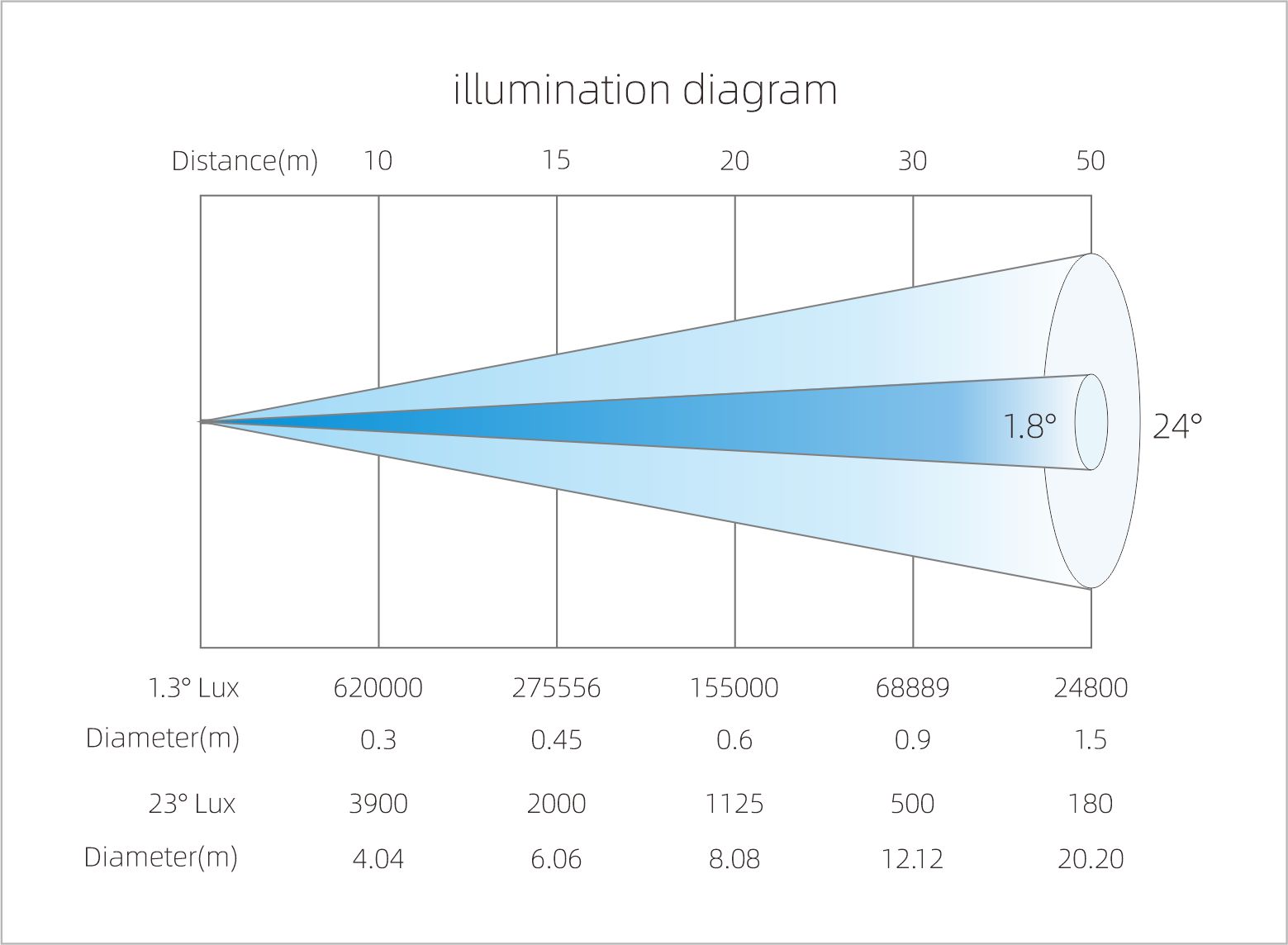
1) Measure what matters: insist on real beam-angle charts and gobo projection photos at multiple zoom positions. 2) Test control integration: verify DMX512 channel mapping and ensure pan/tilt profiles match your console. 3) Match serviceability to tour pace: choose models with modular parts and clear access to LED modules and fans so repairs are fast. These evaluation metrics cut procurement risk and align purchases with show requirements.
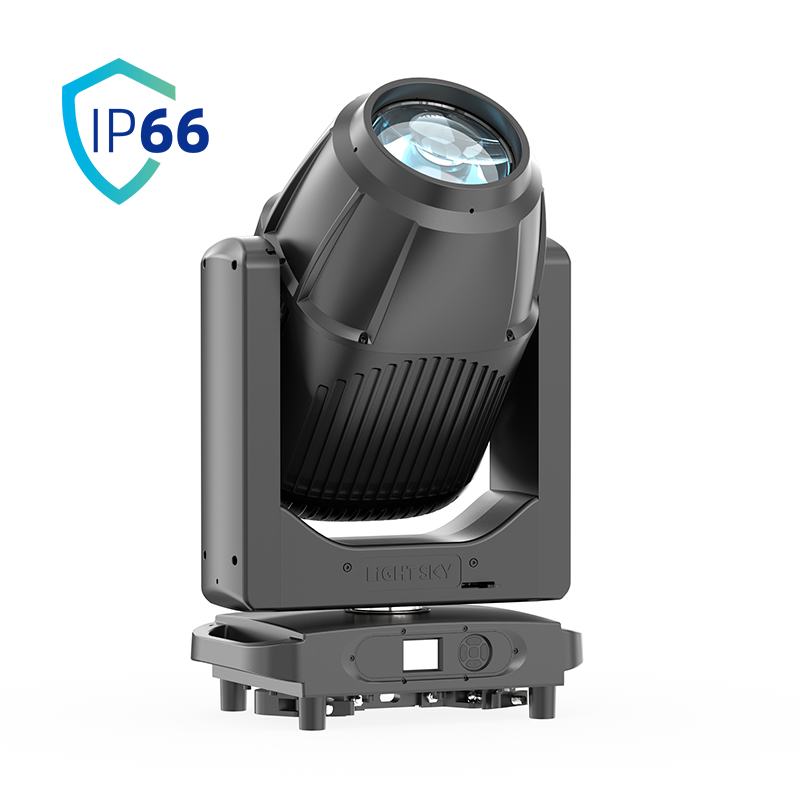
Choosing the right 4‑in‑1 moving head leads to fewer fixtures, simpler rigging, and more creative freedom. For practical procurement and model consistency across projects, Light Sky provides a coherent range of options that fit these rules—reliable, serviceable, and designed with touring realities in mind. —A final thought: the best fixture is the one your crew trusts.