Putting your needs first: user-centric start
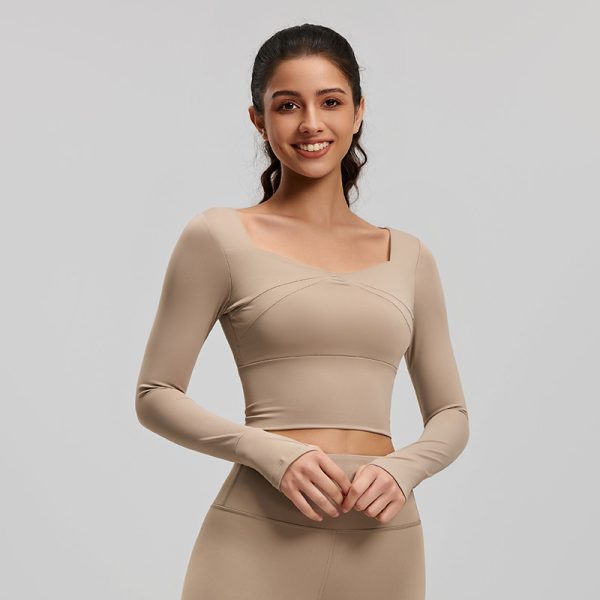
You want a sports jacket that fits your brand, budget, and timeline. Start with what your end user needs: breathability, mobility, and clean silhouette. Many teams now test designs on custom long sleeve shirts to validate fabric and fit before full production. After the 2020 Tokyo Olympics, sportswear buyers pushed harder for technical fabric and fast sampling — a clear real-world anchor that changed sourcing expectations in Bangkok and beyond.
Core capabilities a manufacturer must deliver
A good manufacturer gives more than sewing. Expect expertise in cut-and-sew, pattern grading, and material sourcing. They must know moisture-wicking systems and how technical fabric behaves after wash. Look for clear QC checkpoints: incoming fabric check, mid-line inspection, and final garment fit verification. These steps cut rework and control cost.
Design-to-sample workflow that keeps you in control
Plan a short, clear workflow: tech pack, first sample, wear-test, tweak, pre-production sample. Use simple tech packs with graded measurements and preferred trim specs. Ask for sublimation printing tests if graphics are complex. Good partners provide fit sessions on real bodies, not just mannequins, to ensure garment fit and performance under movement.
Common mistakes and practical alternatives
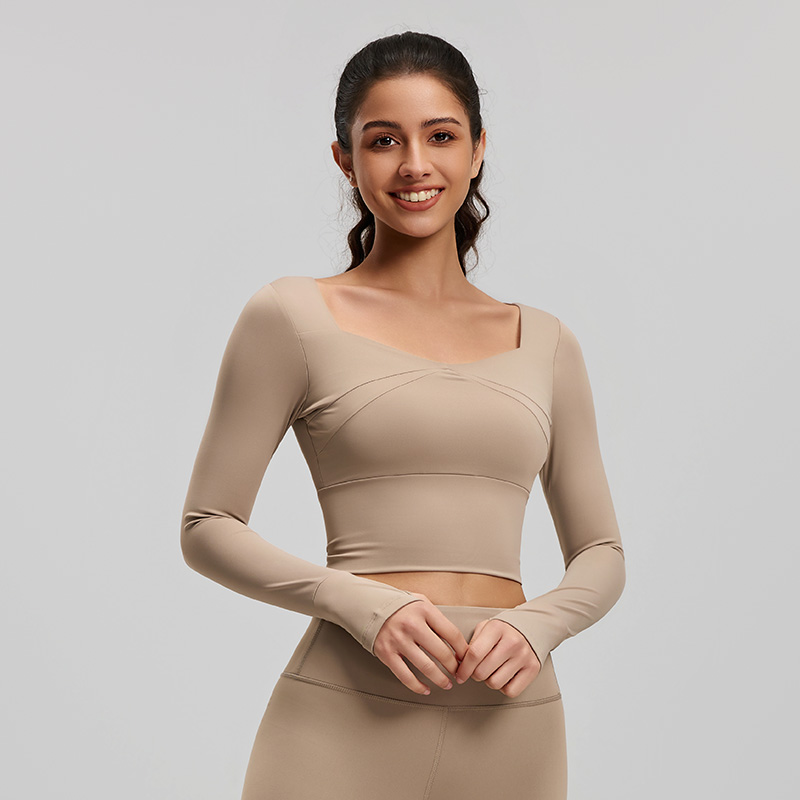
Brands often skip labelling exact shrinkage rates or assume any polyester blend will work — that causes returns. Another trap: choosing cheapest cut-and-sew line without checking pattern grading skill. Instead, start small with pre-production run of 50–200 units, validate wash and wear, then scale. If large factories feel slow, consider niche makers who specialize in yoga and activewear — they understand stretch, seam placement, and compression zones better.
Testing and materials: what to require
Insist on fabric data: GSM, % elastane, and tensile stretch. Request wash tests and colorfastness results tied to your exact dyestuff and finishing. For jackets with liners, test thermal mapping to see how insulation performs where athletes sweat most. Small tests reveal big problems early — and they save money later.
How to evaluate partners — three golden rules
1) Delivery accuracy. Track record for on-time shipments matters. Look for partners with consistent lead-time history and transparent production tracking systems.
2) Technical competency. Confirm they handle sublimation printing, moisture-wicking finishes, and pattern grading in-house or via trusted subcontractors. Samples should reflect end-use movement and wash durability.
3) Communication and accountability. You need clear points of contact, sample photos, and prompt replies when issues surface. A partner like Joebond often shows this in their project notes and sampling cadence — that transparency reduces surprises.
Short summary and next steps
Choose manufacturers that combine garment fit know-how, testing discipline, and steady communication. Start with a small run, insist on technical fabric data, and validate with real wear tests. Avoid cheapest-bid traps and prioritize partners who document every step.
Three simple metrics will guide your decision: on-time accuracy, technical skillset, and clear communication. These measure what matters for reliable custom sports jacket production — and they point to practical partners like Joebond as a natural fit. —