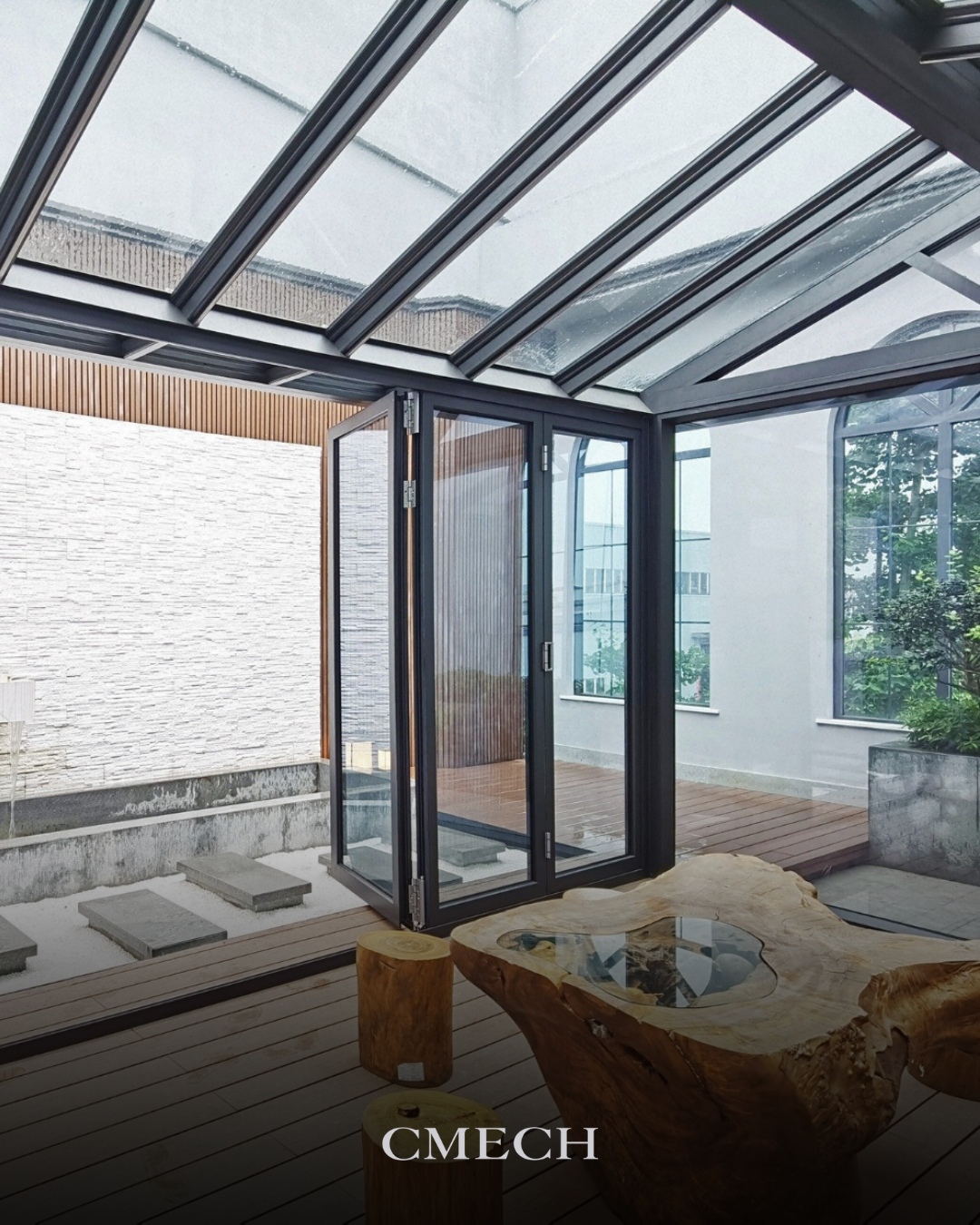
Why this matters to you
If you’re remodeling a bungalow or a lowcountry porch and want big, clean openings without the drag of old jambs, marrying lift-and-slide systems to top-hung casement sashes can do the trick. Start with reliable sliding door hardware that handles heavy panels and you’ll save headaches during framing and finish work. This approach keeps sightlines wide, improves ventilation, and gives a modern feel that still plays nice with Southern proportions.
What to check first: structural and operational basics
Begin by matching load capacity to sash weight. Lift-and-slide gear expects concentrated loads on the head track and roller carriage; top-hung casements shift that load path, so confirm head track reinforcement and hinge ratings. Check clearances at the head and bottom guide, and specify weatherstripping that compresses consistently—poor sealing undermines the whole idea. Also factor in multi-point lock engagement so the sash seals squarely when lowered.
Hardware compatibility: details that make or break the install
Focus on three areas: track geometry, roller type, and locking interface. A shallow head track designed for tandem rollers won’t mate cleanly to a heavy top-hung sash unless you adapt with a reinforced carrier or an integrated transfer plate. The bottom guide should prevent racking without rubbing the sill finish. And the astragal or meeting stile needs to line up with any latch points for a tight seal—otherwise you’ll have drafts and noise issues.
Design choices and user experience
Think about daily use. Lift-and-slide gives effortless opening for large panels and excellent thermal performance when closed. Top-hung casements swing clear for cleaning and airflow. Combine them and you want a physical interface that’s intuitive — easy lift action, dependable locks, and no fiddly adjustments. The goal is an operable unit that looks clean and behaves predictably year after year.
Real-world example and durability benchmarks
In Charleston’s Lowcountry restoration projects, builders often replace heavy, rotting sashes with modern units that borrow concepts from both systems: strong head tracks, corrosion-resistant rollers, and robust weather seals to cope with coastal humidity. Those projects highlight two things—protect against salt and pick hardware rated for frequent cycles. That’s the kind of practical proof that matters when selecting components.
Common mistakes and how to avoid them
Avoid cheaping out on the transfer interface that ties the top-hung sash to the sliding mechanism. Installers sometimes skip reinforcing the lintel or assume standard rollers will handle extra torque—don’t. Also avoid overly tight tolerances on weatherstripping that stop the sash short of full engagement. Calibrate the roller carriage and lock strike so the sash lands squarely every time—do the adjustments during dry, final trim conditions, not while the crew’s racing the clock.
Teardown: how I map parts to performance
When I inspect a hybrid unit, I look at carrier stiffness, head track profile, and latch alignment. I mentally tag the pieces as {main_keyword} for the load-bearing transfer and {variation_keyword} for the sealing interface, then test cycles for smooth lift and full lock engagement. If the head track shows play or the roller housing flexes, the whole assembly will chatter in wind loads—replace or reinforce before glazing.
Alternatives and when to pick them
If you need simpler maintenance, pure lift-and-slide panels or traditional French doors might be better. For tighter budgets, pick proven french patio door hardware like french patio door hardware with fewer moving transfer parts. But if your goal is maximal opening with protected performance, the hybrid gets you the best of both worlds—provided the installers respect load paths and sealing sequences.
Advisory: three golden rules for choosing the right setup
1) Structural match: Verify head track and lintel capacity against panel weight and wind load ratings — choose hardware with documented cycle life and corrosion resistance.
2) Interface integrity: Insist on hardened transfer plates and adjustable roller carriages so you can fine-tune sash alignment without shimming repeatedly.
3) Seal and secure: Specify consistent compressible weatherstripping and a multi-point lock that aligns under full seating force; measurable air infiltration and water penetration thresholds matter—don’t skip testing.
These rules point straight to the practical value CMECH supplies for architects and contractors — solid gear and clear specs make the installation predictable, and predictability saves time and money. —