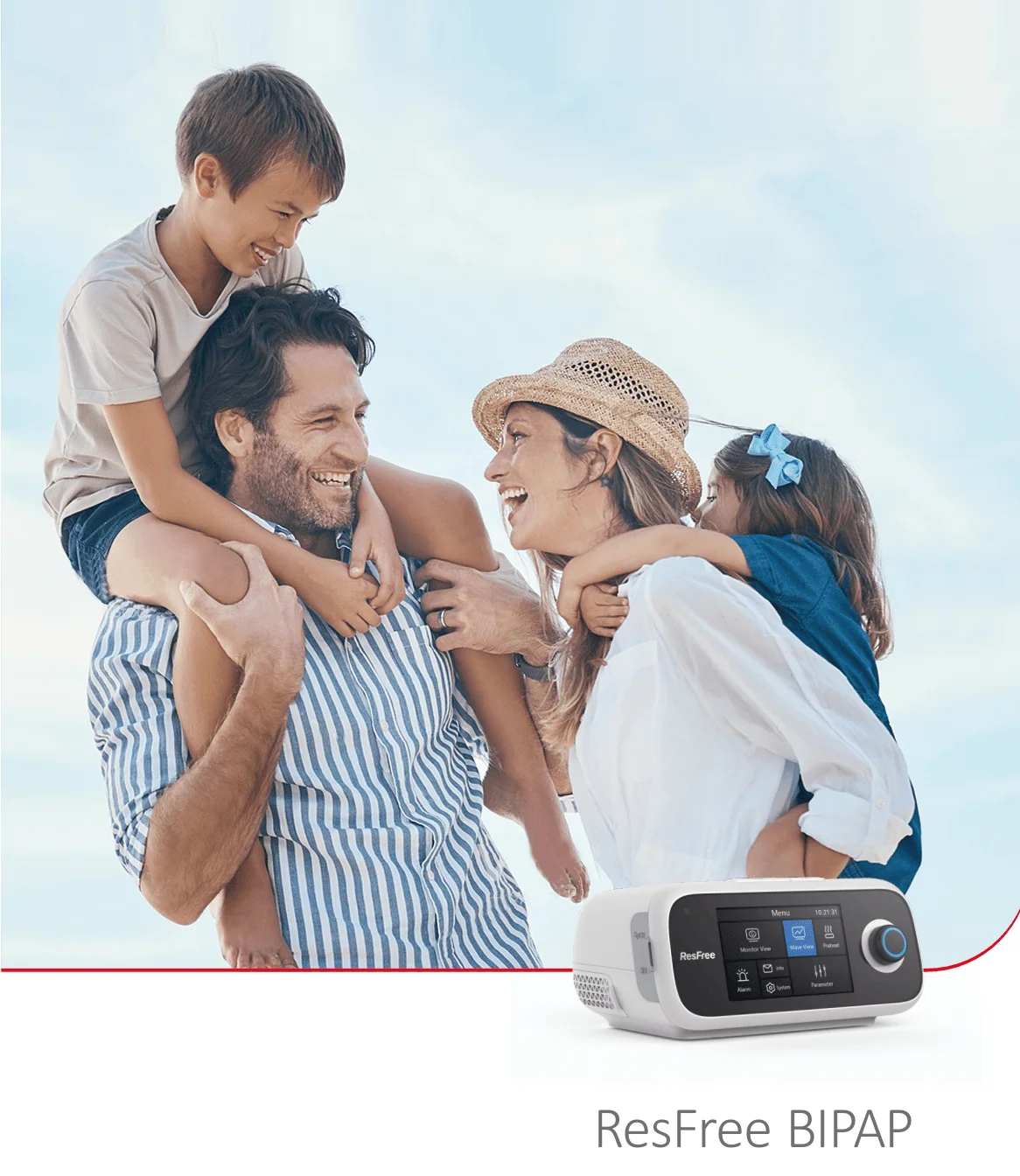
Putting the person before the machine
Patients and clinicians both notice when a device fits into life rather than forcing life to fit the device. For many with chronic respiratory needs, a reliable cpap device or non-invasive ventilation setup becomes the difference between fragmented sleep and consistent recovery. The American Academy of Sleep Medicine estimates hundreds of millions of adults worldwide contend with obstructive sleep apnea and related breathing issues, so the stakes are real and widespread.
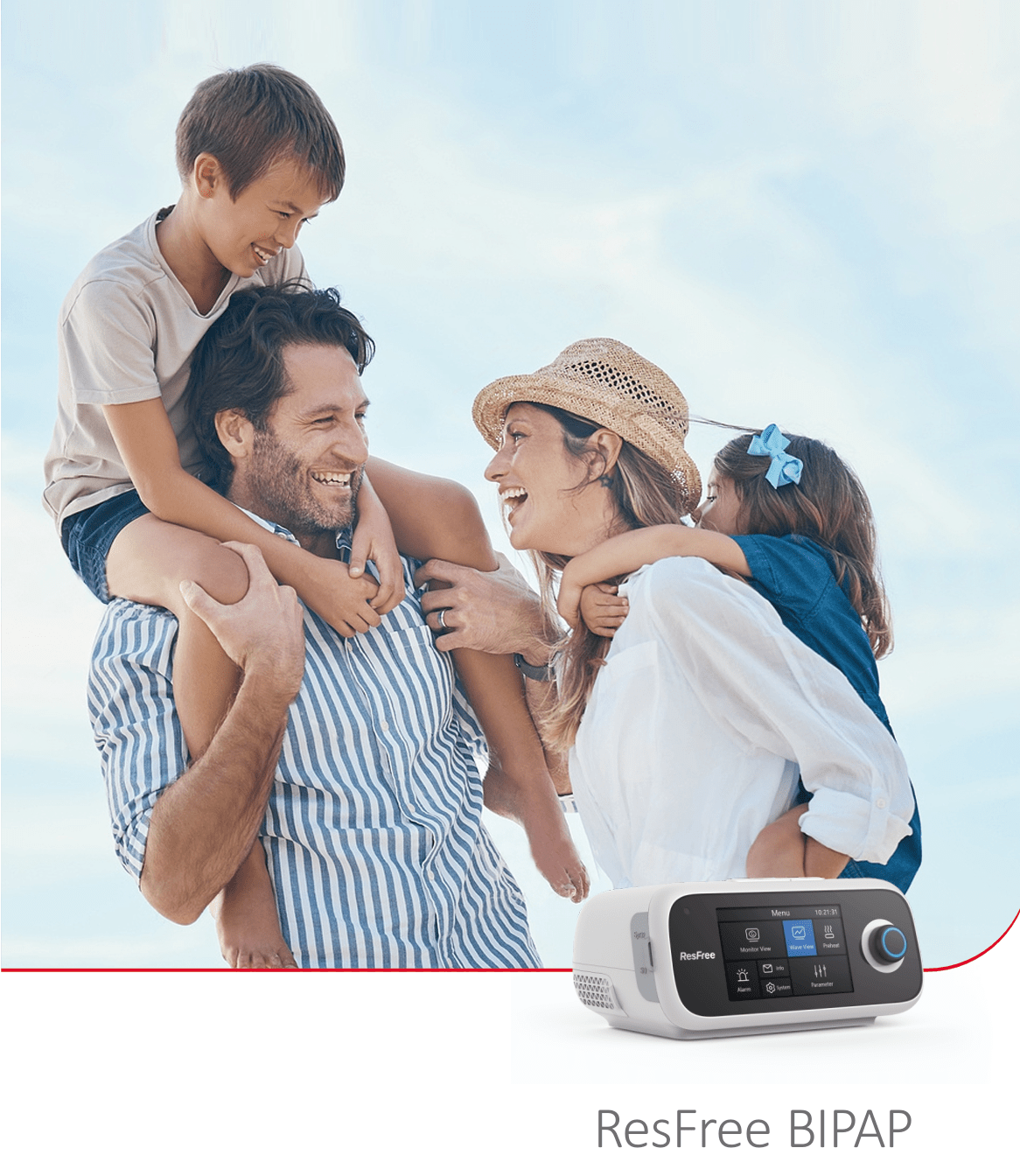
What “better” looks like in practice
A patient-centric NIV system balances comfort, efficacy, and simple daily use. Clinically, that means consistent tidal volume delivery, responsive pressure support when breathing patterns change, and a mask interface that stays sealed without causing pressure sores. For users, it means fewer wake-ups, fewer clinic visits for troubleshooting, and a sense that therapy supports life rather than dominates it.
From clinic settings to home routines
Transitioning therapy from hospital-grade ventilators to home units—often auto cpap systems—demands careful choices. Home devices need clear monitoring, reliable alarms, and user-friendly controls so caregivers can act quickly and patients can remain confident. Practical features like humidification management and simple tubing attachments reduce barriers to nightly use and improve adherence over months.
Common pitfalls and how to avoid them
Clinicians and patients sometimes focus narrowly on pressure numbers or device brand, overlooking fit and workflow. Common mistakes include over-tightening masks, ignoring leak data during follow-up, and skipping brief re-education sessions after device updates. Addressing these avoids discomfort and poor adherence—small changes, measurable impact.

Why data matters—but not at the expense of people
Modern devices log respiratory rate, leak, and AHI trends; clinicians can use those metrics to tune therapy. Yet raw numbers won’t fix a sore nasal bridge or a mask that wakes the partner. The best outcomes arise from combining objective metrics with short, supportive conversations about sleep habits and device handling. Real-world programs in community clinics across the UK and U.S. show that paired coaching plus device data reduces therapy drop-off—proof that numbers and empathy work together.
Device comparisons that matter
When choosing between CPAP, auto-adjusting units, or more advanced NIV systems, prioritize three practical dimensions: ease of daily use, adaptability to variable breathing patterns, and maintenance burden. CPAP offers steady pressure; auto-adjusting units fine-tune pressure across the night; NIV systems provide multi-level support for patients with hypoventilation. Match the device to the patient’s physiology and routine, not the other way around—this keeps therapy sustainable.
Simple steps clinicians and patients can take now
Begin with a short checklist at first fitting: confirm mask fit during supine and lateral positions, run a brief leak test, set humidification to patient comfort, and schedule a one-week remote check. Encourage patients to keep a two-night sleep diary—notes on position, congestion, and early awakenings—and review these alongside device logs. Small, repeatable actions compound into lasting adherence.
Three evaluation metrics to choose by
Adopt these golden rules when evaluating devices and programs:
– Clinical effectiveness: measurable reduction in AHI and improvements in daytime alertness within a defined follow-up window (30–90 days).
– Usability: failure rate under real-world conditions — mask dislodgement, alarms triggered, and ease of interface — observed over the first month of home use.
– Support footprint: availability of remote monitoring, timely technical support, and structured education sessions for patients and caregivers.
These metrics keep assessment concrete and actionable. Teams that monitor them regularly find fewer surprises and better long-term outcomes, which is precisely where technology like what Byond provides practical value—integrated tools and support that meet patients where they live. — reliable, human-centered, and ready for everyday use.