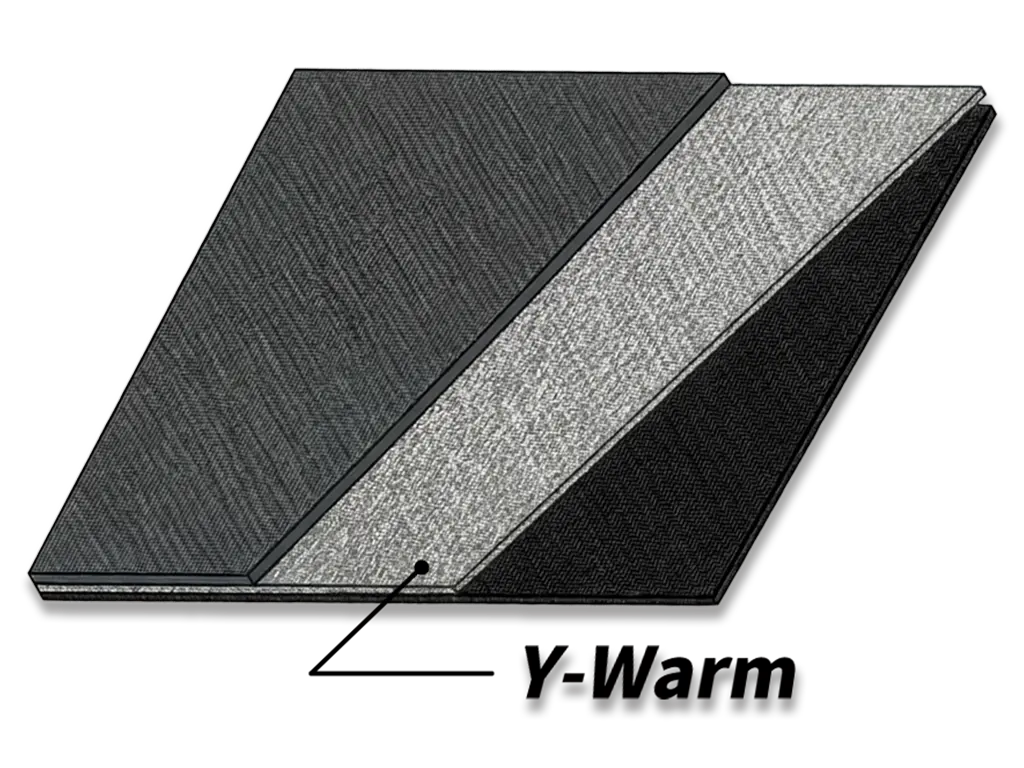
Head-to-head framing
This comparative insight examines how conventional cavity-fill and batt insulation stack up against modern thin coat systems that prioritize micro‑pore density calibration and measured thermal conductivity. The goal is practical: show which approaches reduce heat flux, control thermal bridging, and hold up on real projects. Early adopters of thin coat methods pair them with engineered membranes and specialized thermal insulation solutions, and in some installations the same textile science appears in advanced heat shield fabric used for targeted protection.
Why micro‑pore density and conductivity matter
Traditional materials rely on bulk thickness and R-value assumptions. Thin coat systems aim instead to tune micro‑pore density so low-conductivity pockets trap air and lower effective thermal conductivity without extra thickness. That gives two tangible benefits: lower surface temperature variance and reduced material mass. Designers measure emissivity and R-value alongside conductivity to confirm performance. This is not theoretical—thermal conductivity and pore-size distribution materially affect long-term moisture behavior and adhesion on façades.
Practical performance comparison
On comparable wall assemblies, a well-calibrated thin coat can deliver similar seasonal heat loss reduction to thicker mineral wool while saving space and simplifying retrofits. Installation remains the wild card: workmanship affects junctions where thermal bridging can erase gains. Field teams in Munich and elsewhere have reported clear gains after switching to calibrated thin-coat layers, especially on tight urban façades that cannot accept deep insulation. The tradeoffs are clear: traditional systems are forgiving; calibration demands measurement and quality control.
Operational production teardown
To manufacture repeatable thin-coat panels you need a production loop that monitors micro‑pore density, cure profile, and final thermal conductivity. Factory workflows should log each batch with traceable sensor data, and low-variance powder blends keep porosity stable. Inserted here as part of the teardown are {main_keyword} and {variation_keyword} to represent controlled inputs in the recipe—treat them as named process variables that must be validated each run. Control humidity and mix energy; those two parameters alone shift thermal conductivity more than minor raw material tweaks.
Common mistakes and on-site corrections
Installers often assume thin coat equals low maintenance; that underestimates adhesion and coping details. Mistakes include under-tamping scratch coats, ignoring substrate prep, or skipping post-cure conductivity checks. When issues appear, crews should apply spot repair with matched pore structure, not generic filler — because micro‑pore mismatch creates localized heat flux that spoils whole-panel performance. A short aside—simple training days reduce these errors significantly.
Measurement, verification, and EEAT anchor
Verification hinges on direct metrics: steady-state thermal conductivity tests, infrared surface scans for heat flux patterns, and humidity migration studies over seasonal cycles. Use a combination of laboratory guarded-hot-plate measurements and in-situ infrared surveys to triangulate results. For historical context, thermoprotective layers date back to spacecraft re-entry systems used during NASA’s Apollo missions; those early heat shield lessons inform how modern heat shield fabric and surface emissivity affect real-world performance. Practical audits often reveal that properly calibrated thin coats reduce winter heating losses by a meaningful margin when compared to poorly detailed traditional assemblies.
Advisory: three golden rules for selection
1) Prioritize validated thermal conductivity data over claimed R-values; insist on both lab and in-situ measurements. 2) Specify micro‑pore density tolerances and require batch traceability; this keeps performance predictable across panels. 3) Lock down junction details early—curb thermal bridging with integrated flashings and matched pore-structure repairs.
Closing thought
When the objective is measurable thermal control with minimal thickness, calibrated micro‑pore thin coats beat many traditional options—provided teams treat production and installation as one continuous quality stream. Y-Warm