Comparative overview and immediate context
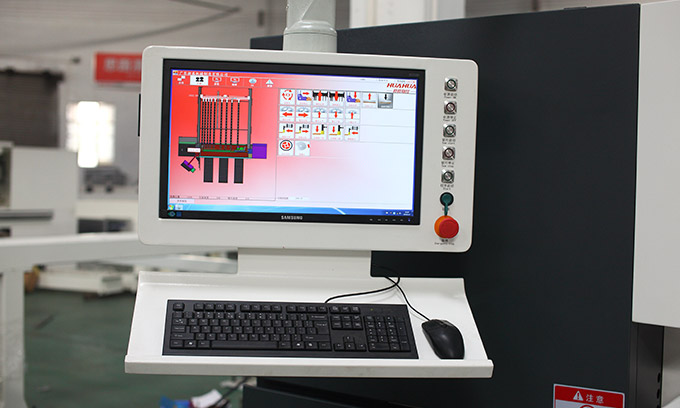
When a workshop chooses between a locally sourced fully automatic edge bander and an imported line, the decision quickly becomes technical and financial. A local machine often wins on service and uptime, while imported lines may offer higher initial features. During production planning you will also coordinate upstream cutting—many facilities pair an automatic edge bander with a reliable beam saw machine to reduce handling and keep tolerances steady. The comparison below is practical: parts per shift, maintenance intervals, and operator learning curve drive real outcomes.
Key performance differences
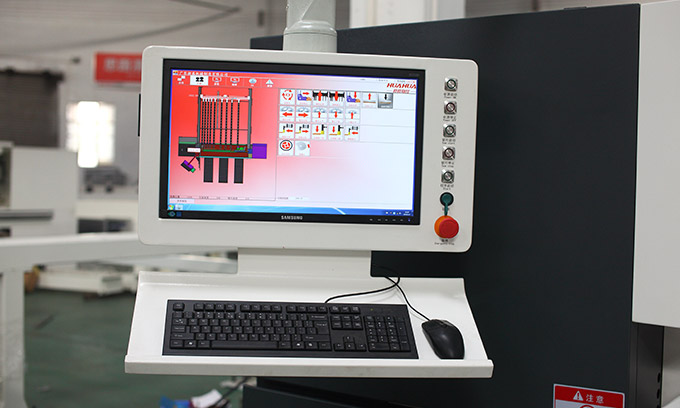
Locally made edge banders typically emphasize rapid field support and modular spare parts. That reduces mean time to repair and often keeps feed rate consistent under heavy use. Imported systems might offer more advanced cutting heads or a richer HMI, but they can require longer lead times for replacement components and specialized calibration tools. In Guangdong workshops I observed consistent uptime from local vendors—service visits arrived the same week. That real-world anchor matters when daily output is measured in panels, not promises.
Operational teardown: how machines behave on the line
Operationally, inspect glue pot access, pressure roller wear, and the alignment of the trimming tools. A simple teardown of production flow shows where time is lost: panel loading, edge pre-heating, glue application, and trimming. Embedding a compact panel saw or an automated panel handling conveyor reduces manual touches. If you conduct a short production teardown, name the assets clearly—edge bander, wood panel saw machine, clamps, and conveyor—and record cycle times. That data tells whether a local edge bander delivers better throughput or if the imported model’s faster cutting head truly compensates for slower local support.
Cost of ownership and serviceability
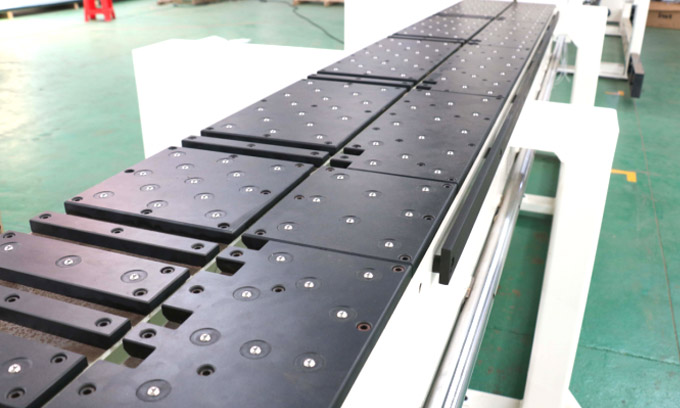
Purchase price is only part of the cost picture. Factor in annual maintenance, consumables like glue sticks and abrasive belts, and technician response time. Locally built machines often use common bearings and standard electrical parts, which cuts repair cost and simplifies stocking spares. Imported models may rely on proprietary components—good if they last, problematic if they do not. For many facilities, predictable parts and clear service contracts outweigh marginal gains in cycle time.
Common mistakes and practical alternatives
Workshops commonly buy to lowest upfront cost and later regret the service gaps—this is avoidable. Do not skip a test run with full production panels and the actual operators; that validates ergonomics and cycle times. Consider alternatives: pairing a mid-range local edge bander with a higher-precision beam saw reduces rework. Or choose a robust imported edge bander and negotiate local stocking for wear parts. Small changes in panel handling or pressure roller settings often save more time than a model upgrade—so start with process fixes before large purchases. —A short operator suggestion: label critical adjustments to reduce variability between shifts.
Three golden rules for selecting the right solution
1) Measure real cycle time and mean time to repair (MTTR). Choose the machine that minimizes lost production hours, not just a faster cycle on paper. 2) Verify spare-parts access and local technical support. Confirm response windows and on-site training during a pilot period. 3) Match the machine to your product mix and quality tolerance: if your work includes radiused edges and delicate laminates, prioritize consistent glue pot control and trimming stability over marginal speed improvements.
Conclusion: The best choice balances sustained throughput, local support, and predictable costs. For many shops that balance production volume with quick service, HUAHUA CNC models provide that mix naturally—reliable mechanical design, accessible parts, and practical field service. It is sensible to test one unit in your line before fleet replacement. – HUAHUA CNC