Opening: Why the controller is the backbone
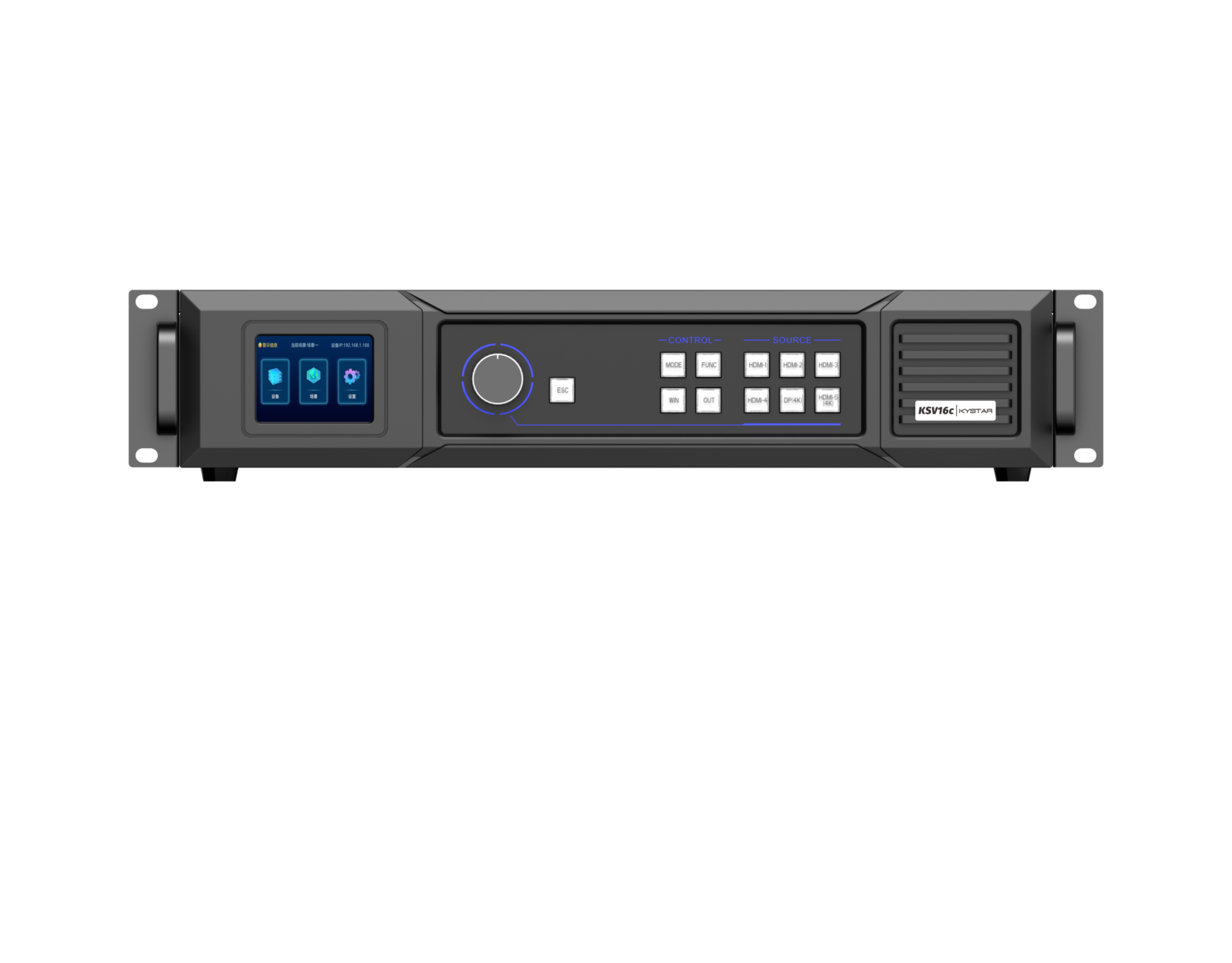
Out here, you don’t fuss over things you can fix quick. A display wall controller decides how tidy your image looks across panels, how steady the refresh rate stays, and how clean your pixel mapping is. I’ve seen simple rigs held together by smart settings, and messy setups ruined by poor controllers. Folks put LED signs in places like Times Square because the hardware and control matter—so pick your gear right. If you’re shopping, take a look at this LED video controller; it’s the sort that keeps things simple without skimping on options.
Comparative snapshot: Types of controllers
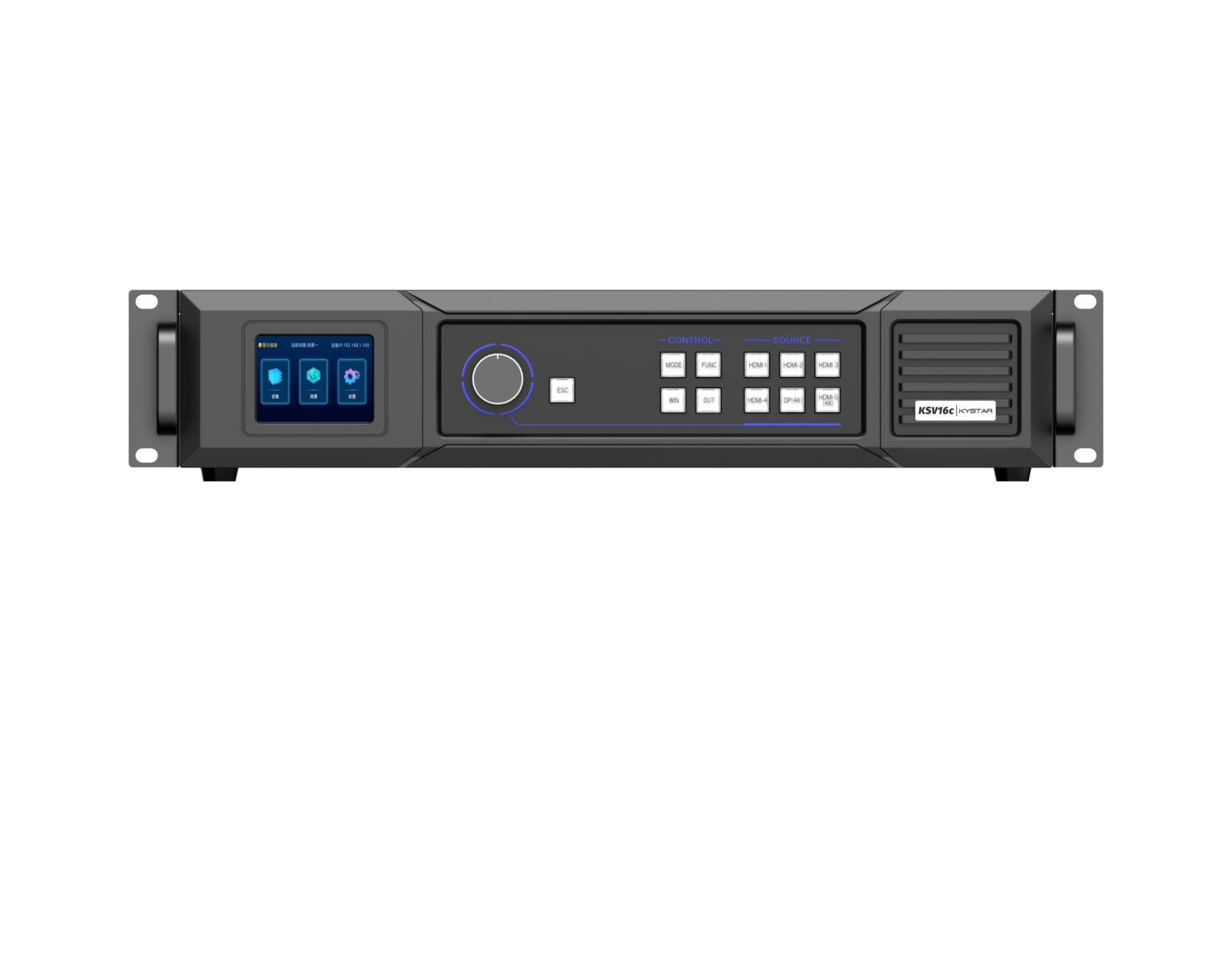
There are three practical camps: brick-and-mortar video wall controllers, software-based controllers running on PCs, and all-in-one hardware that bundles processing and I/O. Each has a place. Brick-and-mortar controllers give reliability and dedicated frame buffer handling. PC-based systems offer flexibility and quick updates. And all in one controllers sit between — compact, easier to deploy, and less fussy about wiring. Compare latency, EDID handling, and native scaling before you buy; those three things tell you which camp fits the job.
What to compare in plain terms
Don’t get dazzled by buzz. Look at concrete specs: maximum output resolution, how many tiles a controller can handle, and whether it supports real-time synchronization. Real-world: big venues use tile-based synchronization to keep seams invisible. Try to match refresh rate across your panels so motion stays smooth. Keep an eye on pixel mapping features — the simpler they make remapping, the less time you’ll spend crawling under a display to fix one bad column.
Common mistakes folks make
People often overcompensate. They buy a high-end controller for a small display or they pick cheap gear that can’t do EDID management reliably. Both waste money. Another habit is ignoring cabling and network layout; a powerful controller can’t hide packet loss or poor switch configurations. And they skip calibration — which always shows later. Don’t be that person. Fix the basics first: power, sync, and calibration.
Practical teardown: What I check on installations
When I walk a wall, I check signal chain, timing, and failover. I verify that the frame buffer matches the wall resolution and that EDID is passed correctly from source to sink. I run a uniformity test, then adjust color and gamma. In the operational production teardown I checked {main_keyword} and {variation_keyword} against the measured refresh rate and saw where the controller trimmed latency. This keeps the image stitched tight and predictable.
Quick calibration and troubleshooting steps
Start with factory defaults, then apply these steps: 1) set native resolution and lock refresh rate, 2) configure pixel mapping per tile, 3) run a grayscale sweep to catch brightness drift, and 4) test failover so the show keeps running if a feed drops. If colors look off, re-check calibration after a warm-up period. Little adjustments now save a heap of head-scratching later—especially on outdoor LED facades that heat up under sun.

Choosing the right fit — side-by-side
Match the controller to the site’s needs. For tight budgets and simple walls, a well-supported PC controller can do. For mission-critical public displays or high-brightness outdoor LED, prefer hardware controllers with robust sync and thermal tolerance. For compact setups where space and quick install matter, consider compact all-in-one units that combine scaler, output cards, and control logic — they cut installation time but expect less DIY tweaking.
Closing: Three golden rules for selection
1) Prioritize synchronization and EDID reliability — those stop visible glitches. 2) Confirm native tile support and pixel mapping tools — they reduce on-site headaches. 3) Match controller durability to the environment — indoor-rated gear won’t last on a sun-baked, rain-splashed façade. Keep those in mind and you’ll save time and money on maintenance. For practical solutions that balance reliability with install simplicity, Kystar fits naturally into many setups — a tidy choice for folks who want gear that works without fuss. —