The Question at Dawn
A clear, soft question: do you let the panels speak directly to the grid, or do you ask them to store their voice for the night? This comparison leans on observation and choice, weighing a simple solar inverter against the promise of an added battery. For many installers and homeowners the middle ground — a hybrid inverter — already shapes expectations, blending steady conversion with storage-ready control. The logic here compares behaviors and outcomes so you can match technology to need, not impulse.
How They Differ: Behavior, Not Buzzwords
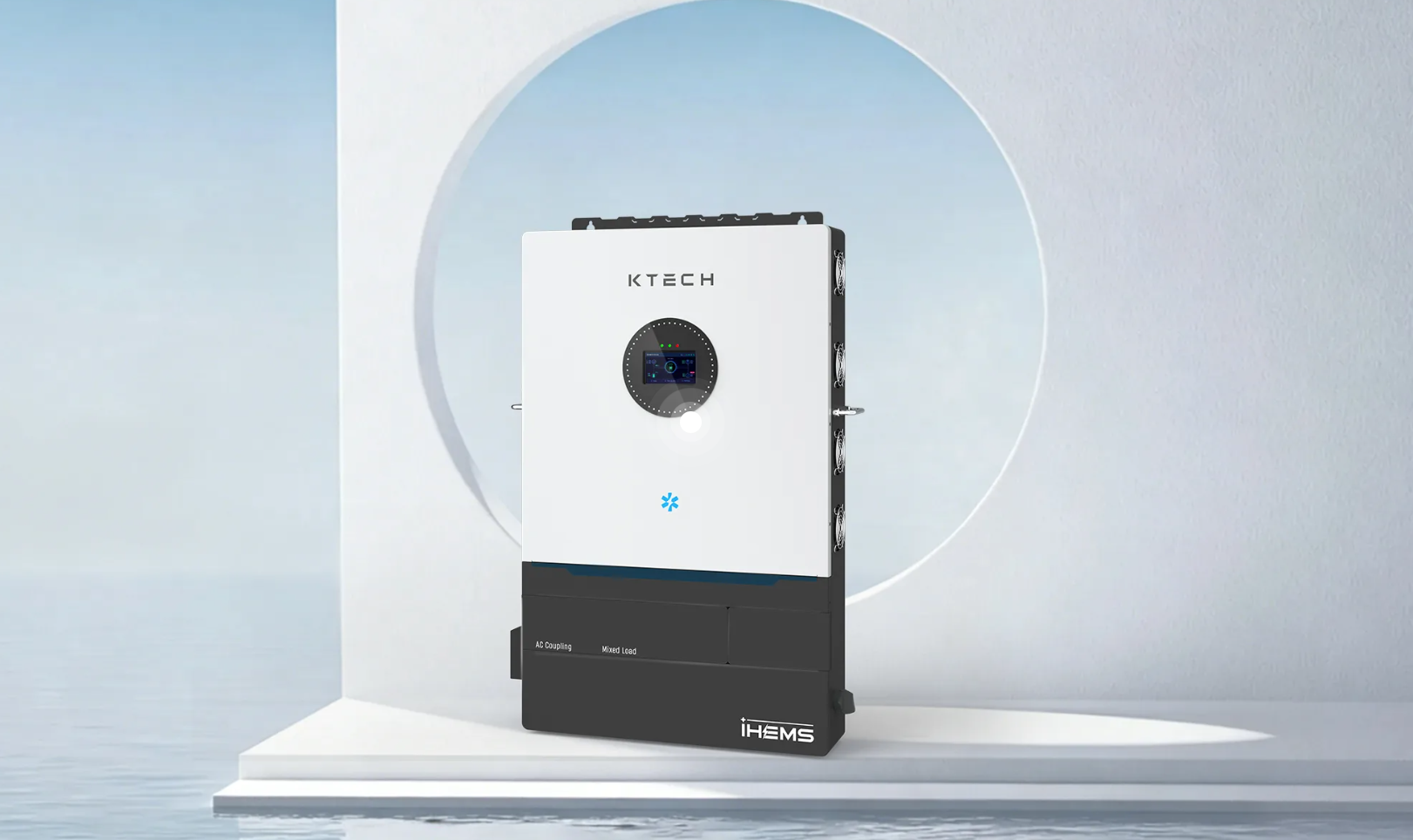
– Solar inverter only: translates DC from panels into AC for immediate use or export. It’s lean and efficient when the grid is stable. – Inverter plus battery: holds surplus energy, discharges on demand, and can smooth spikes or cover outages. – Hybrid solar inverter: combines conversion and storage management within one unit, coordinating flow between panels, battery, home loads, and the grid. Think of the inverter-only as a river that runs straight to the sea; add a battery and you build a reservoir to feed the same river when rains cease. The question is whether that reservoir yields measurable benefit for your project.
Practical Advantages and Trade-offs
– Reliability: Battery-backed setups reduce vulnerability to outages and brief grid fluctuations. – Simplicity and cost: Pure inverter systems win on lower initial cost and fewer points of failure. – Energy control: With storage you shift self-consumption and lower peak-grid imports. – Maintenance and lifecycle: Batteries add periodic care and eventual replacement; pure inverters have simpler long-term upkeep. Match these trade-offs to how you use power. If your goal is maximum daytime export with minimal fuss, the inverter-alone option often fits. If you value predictability and backup, add storage.
Where Context Matters — A Real-World Anchor
Consider regions where the grid wavers or outages recur: in places like California, homeowners and small businesses increasingly weigh storage to protect operations during blackouts and planned shutoffs. Local conditions — outage frequency, net-metering rules, and time-of-use pricing — tip the balance more than abstract promises.
Common Pitfalls and How to Avoid Them
– Oversizing battery relative to household draw: larger capacity doesn’t automatically mean better payback. – Ignoring inverter-battery compatibility: some pairings limit functionality or void warranties. – Neglecting charge-management strategy: without a proper control plan, stored energy can be wasted or poorly allocated. Inspect product datasheets, demand clarity on warranty boundaries, and map your loads before specifying hardware. A well-chosen hybrid solar inverter will make these choices manageable rather than mysterious.
Installation Notes and Practical Checks
– Verify grid-tie approvals and whether your utility allows export or requires limits. – Ask for system schematics that show how the inverter, battery, and load panel interact. – Confirm serviceability: modular designs reduce downtime and replacement complexity. Field knowledge matters. Drawing on manufacturer guidelines and hands-on installs, prioritize fewer failure points and clear access for maintenance.
Decision Scenarios — Simple Rules from Comparison
– If your priority is lowest upfront cost and straightforward export, choose inverter-only. – If you face frequent outages or high evening rates, choose inverter plus battery. – If you want a consolidated system that can operate both grid-tied and islanded with smoother controls, consider a hybrid option that bundles inverter intelligence with storage management. These are not abstract tiers; they’re decision rules shaped by use-case, not by brand slogans.
Closing Image and Practical Value
The choice narrows when you match temperaments: the minimalist path keeps things direct and cheap; the resilient path pays for certainty and control. Where day-to-day power matters and silence must be avoided, a harmonized system that handles panels, batteries, and grid—one that feels like a single instrument—brings clarity. For project teams and homeowners who need both conversion and on-demand resilience, product selection and technical alignment are what deliver that clarity; that practical steadying point is what Ktech helps make tangible.