Why I compare instead of guessing
When I’m on site, I don’t pick a machine because it looks tough — I compare what each unit actually delivers. That’s the heart of my approach: side-by-side tradeoffs, not hype. I’ve seen the same model praised on a spec sheet and fail in mud at CONEXPO-CON/AGG in Las Vegas, so I check real performance, build quality and serviceability. An elevated work platform only proves its worth once you’ve matched its strengths to your jobsite, not the brochure.
Quick comparison checklist I use first
Start with a quick triage. I run these checks before detailed inspections:- Drive type: tracked vs. pneumatic tires — traction vs. speed and repair complexity.- Ground pressure and footprint — will it sink on soft ground?- Rated platform capacity vs. actual usable space.- Power source: diesel, hybrid, electric — fuel access and emissions rules matter.- Service points accessibility: filters, hoses, quick-check fluid levels.This little list filters out obvious mismatches fast.
Tracks versus wheels: the real tradeoffs
Tracks win for grip on slopes, ruts, and loose surfaces. They lower ground pressure and give you crawl control. Wheels win for speed, simpler repairs and lower parts cost. Compare these details:- Track material and tensioning system — metal cleats or rubber pads, adjustable tension is a must.- Track drive layout — single motor per track reduces complexity.- Wheel suspension and axle articulation — look for sealed bearings and greased zerks.Decide which drawbacks you can tolerate: harder track repairs or poorer traction with tires on the same jobsite?
Power, hydraulics and the “feel” test
Specs mean little if the hydraulics lag when you load the platform. On a demo, I watch how the lift behaves under full load:- Smooth lift/lower without shudder or excessive heat.- No long idle recovery or stalling during travel on an incline.- Properly sized return lines and quick-release couplings for maintenance.Ask to run the unit at rated capacity for several minutes. If the pump gets noisy or slow, that’s a reliability red flag.
Platform, controls and operator comfort
Small fixes make big differences in daily productivity:- Controls should be intuitive and labeled; joysticks with dead-man switches that reset predictably.- Platform railings, toe boards and access gate latches must be robust and quiet.- Consider ergonomics: anti-slip decking, reachable emergency lowering valve, and a seat or stand option if shifts are long.You’ll be surprised how much operator preference affects safety and uptime.
Safety systems and diagnostics that prove quality
Modern machines should help you diagnose problems. Look for:- Built-in diagnostics with error codes and an accessible port.- Tilt and overload sensors that lock movement, not just warn.- Redundant emergency lowering systems and manual overrides.If a machine relies only on mechanical flags or vague warnings, it’s an older risk profile. Prefer clear, testable safety systems.
Serviceability, parts and dealer support
Even the sturdiest unit becomes a headache without parts and a responsive dealer. Check:- Parts availability windows and local stocking policies.- Accessibility of filters, hoses and major fasteners — can a tech swap them on-site?- Warranty coverage specifics and who actually does field repairs.I prefer models with modular components and widely available consumables; they shorten downtime.
Field test: what I do on day one
Don’t skip a hands-on run. My short field test includes:- Full-load lift/lower cycles and platform sway check.- Travel at max incline and over rough sections at working speed.- Simulate a recovery: kill the engine (safely) and verify emergency lowering.- Inspect undercarriage for weak welds, bent guards or exposed hoses.If the demo unit hides rattles, leaks, or requires multiple resets, cross it off the list.
Common mistakes buyers make
Here’s what I see people get wrong:- Buying the biggest capacity without checking usable platform space.- Ignoring ground-pressure data — leads to stuck machines and recovery costs.- Assuming tracked models are maintenance-free — they demand periodic tensioning and track inspections.- Skipping a real-world demo or relying only on specs sent by sales.Avoid these mistakes and you’ll save a lot more than the machine’s sticker price.
Alternatives to consider and how they stack up
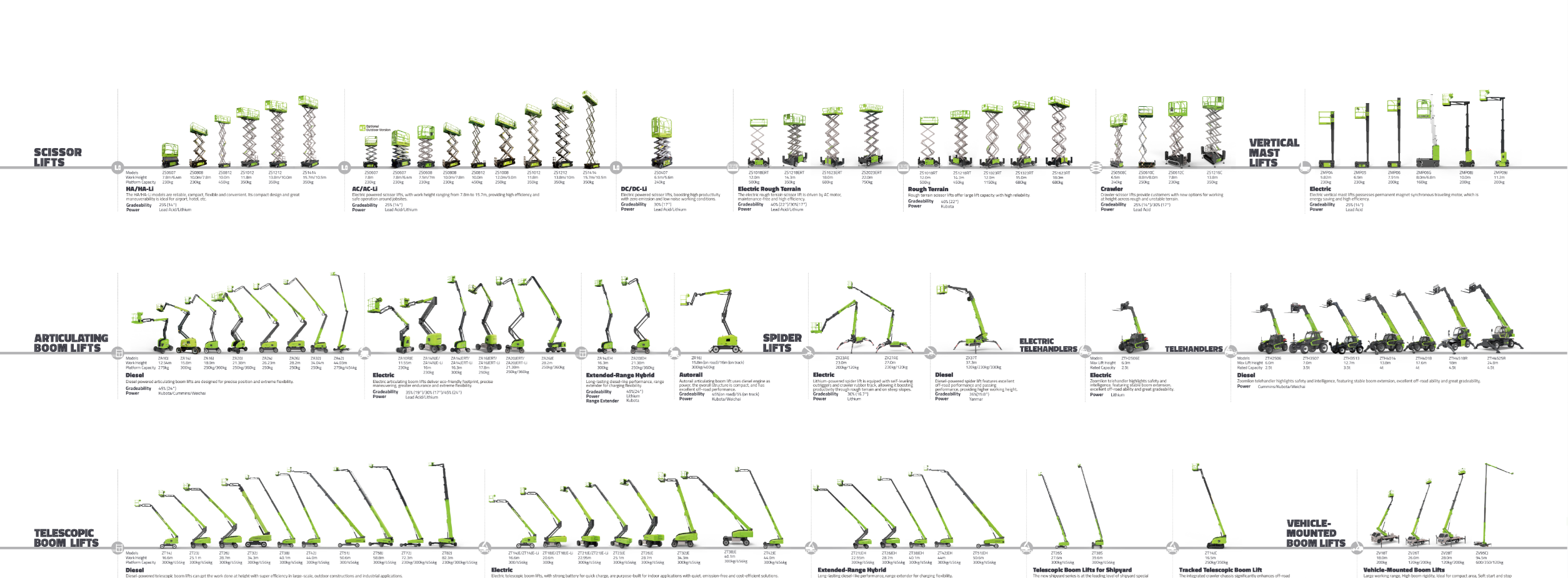
Sometimes a tracked solution isn’t the only answer. Alternatives to weigh:- Rough-terrain wheeled scissor: faster moves on firm surfaces, cheaper tires.- Telehandlers or boom lifts: better reach and positioning in some tasks.- Rental for short-term projects: try before you buy to validate your choice.If you’ve settled on a tracked option, compare brand-level differences for durability and support. Look at a real tracked scissor lift spec and match it against your site conditions and service network.
Wrap-up — make your comparison count
I trust hands-on checks and clear tradeoffs over polished marketing. Compare traction systems, hydraulics under load, operator safety, and how quickly you can get parts and support. If those boxes line up with what your jobsite throws at you, the machine will earn its keep. That practical fit is exactly what I expect from a supplier like Zoomlion Access — solid machines that match real jobsite needs and service realities.